Tewolde Gebremariam Takes Helm at Air India Amid Safety Push

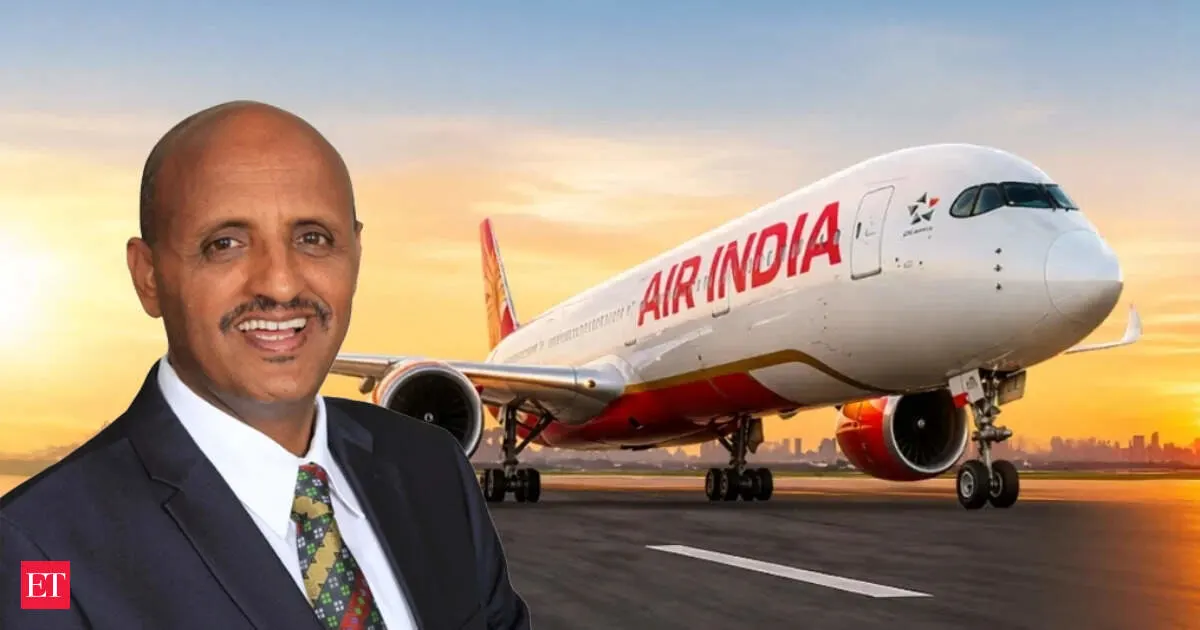
New Air India CEO Tewolde Gebremariam pledges a safety-first culture to address losses of ₹26,000 crore and recent operational incidents.
Key Takeaways
- •Tewolde Gebremariam named CEO to lead Air India's safety-first turnaround.
- •Air India accumulated ₹26,000 crore in losses as of fiscal year 2026.
- •DGCA considers raising annual pilot drug testing frequency to 25%.
- •Singapore Airlines maintains a 25.1% stake despite political scrutiny.
A New Leadership Chapter for Air India
Incoming Chief Executive Officer Tewolde Gebremariam officially took the helm of Air India on Monday, signaling a strategic pivot toward operational integrity and financial recovery. Alongside Tata Sons Chairman N Chandrasekaran, the new leadership addressed the airline's workforce, emphasizing that establishing a robust Air India safety culture is the primary prerequisite for the carrier's future success. This transition arrives at a critical juncture as the airline grapples with Air India financial losses exceeding ₹26,000 crore as of the 2026 fiscal year.
Addressing Safety and Operational Scrutiny
The mandate for a safety-first approach follows a period of intense regulatory and public pressure. The Aircraft Accident Investigation Bureau (AAIB) is currently in the final stages of its inquiry into the June 2025 crash of an Air India Boeing 787 Dreamliner in Ahmedabad, which resulted in 260 fatalities. Furthermore, the airline faces scrutiny following a recent incident on a Phuket-Delhi flight, where a sudden altitude drop caused injuries to 20 passengers. Subsequent investigations by the Directorate General of Civil Aviation (DGCA) revealed that the captain was under the influence of psychoactive substances, triggering an industry-wide debate on Air India pilot drug test protocols. The DGCA is now reviewing its Civil Aviation Requirements (CAR) to potentially increase the frequency of random pilot testing from 10% to 25% annually.
Financial Challenges and Stakeholder Impact
Air India remains heavily constrained by geopolitical tensions, specifically the continued airspace closures over Pakistan, which have rendered long-haul routes to North America financially unsustainable. The airline’s recovery plan requires substantial capital, necessitating continued support from its promoters. Singapore Airlines, which holds a 25.1% stake in the carrier, has faced domestic political pushback regarding further financial injections into the loss-making entity. Despite this, N Chandrasekaran confirmed that the Tata Group and its partners remain committed to the airline's long-term viability. Gebremariam, who previously led a successful turnaround at Ethiopian Airlines between 2011 and 2022, has adopted the vision to 'Make Air India Great Again' (MAGA) as his core operational philosophy.
Analyzing the Turnaround Strategy
The appointment of Gebremariam mirrors historical precedents where experienced leadership was brought in to overhaul legacy carriers. The 2010 Air India Express Flight 812 crash in Mangalore serves as a somber historical benchmark, demonstrating how systemic safety failures can necessitate years of regulatory reform. The current situation suggests that the airline's path to profitability is inextricably linked to its ability to restore public trust through verifiable safety improvements. By aligning operational standards with global benchmarks, the new management aims to mitigate the reputational damage caused by recent incidents and secure the carrier's competitive position in the international market.
Timeline for Regulatory and Operational Milestones
The airline's immediate future hinges on several key developments. The AAIB is expected to release its final investigation report on the Ahmedabad Dreamliner crash between late 2026 and 2027. Additionally, the formal appointment of Gebremariam is subject to final security clearance from the Union Home Ministry, which is anticipated by the end of September 2026. These milestones will serve as critical indicators of the airline's progress in navigating both its internal structural challenges and external regulatory requirements.
Why Public Trust Remains the Primary Metric
For Air India, the challenge extends beyond balance sheets and fleet management. The airline holds a unique position as a national symbol, and its ability to regain the confidence of a billion people depends on consistent, transparent safety performance. By prioritizing safety over rapid expansion, management is attempting to stabilize the airline's reputation, which is essential for attracting the international partnerships and passenger loyalty required to offset its significant accumulated debt.
Frequently Asked Questions
- What is the primary goal of new Air India CEO Tewolde Gebremariam?
- Tewolde Gebremariam aims to implement a safety-first culture to 'Make Air India Great Again' and restore public trust in the airline following recent safety incidents and significant financial losses.
- How is the DGCA responding to recent pilot substance abuse incidents?
- Following a flight incident involving a pilot under the influence of psychoactive substances, the Directorate General of Civil Aviation is reviewing its protocols to potentially increase mandatory random drug testing from 10% to 25% annually.
Stay ahead of the airline industry with commercial aviation news from omniflights.com. Follow aviation sustainability efforts, emissions research, and green initiatives in the Environmental section at omniflights.com/environmental.

Written by Ujjwal Sukhwani
Aviation News Editor & Industry Analyst delivering clear coverage for a worldwide audience. Covers flight operations, safety regulations, and market trends with expert analysis.
Visit ProfileYou Might Also Like

Southwest Reports Record Q3 Revenue Amid Transformation
American Airlines Reports Record Q3 Revenue Amid Fuel Costs
American Airlines Projects 2026 Loss on Rising Fuel Costs
American Airlines to Nearly Triple Premium 787-9 Fleet
Airline Shares Rise Following United Revenue Guidance