Ibom Air Expands Fleet to 10, Targets Regional Growth

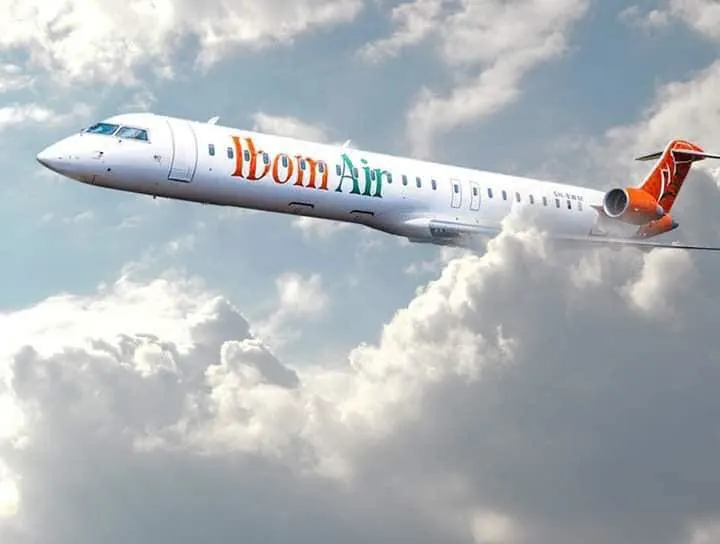
Ibom Air has expanded its fleet to 10 aircraft with a new A220-300, supporting planned regional route expansion into Central Africa by 2027.
Key Takeaways
- •Ibom Air fleet reaches 10 aircraft with new A220-300 delivery.
- •Carrier expects to surpass 5 million total passengers in September 2026.
- •New regional routes to Douala, Libreville, and Malabo planned for 2027.
- •Fleet strategy leverages A220-300 efficiency for regional expansion.
Fleet Expansion and Regional Strategy
Akwa Ibom State-owned airline, Ibom Air, has expanded its fleet with another brand-new Airbus A220-300, marking the third ultra-modern jet delivered to the carrier. According to the Akwa Ibom State Government, this addition brings the airline's active fleet to 10 aircraft, comprising seven Bombardier CRJ-900 regional jets and three A220-300s. This delivery aligns with the carrier's broader fleet strategy, which originated from a firm order for 10 Airbus A220-300 aircraft placed at the 2021 Dubai Airshow.
Passenger Milestones and Economic Impact
The airline has demonstrated significant growth since its inception, having carried 4,953,512 passengers across 65,152 scheduled flights. Akwa Ibom State Governor Umo Eno confirmed that the airline is projected to cross the 5-million cumulative passenger mark by the end of September 2026. This operational success has translated into substantial economic benefits, with an estimated N60 billion economic injection into the state. The expansion of the airline and the development of the Victor Attah International Airport serve as key pillars for the state's aviation-led economic agenda.
Regional Connectivity and Network Plans
Ibom Air is currently finalizing plans to expand its network from eight destinations to 12 destinations and 15 routes by 2027. The airline intends to leverage the international status granted to the Victor Attah International Airport by the Federal Ministry of Aviation and the NCAA (Nigerian Civil Aviation Authority) to launch direct regional flights. Specifically, the carrier is targeting new routes to Douala, Libreville, and Malabo. These routes fall under the regulatory framework of the SAATM (Single African Air Transport Market), which facilitates traffic rights within the CEMAC region.
A220-300 vs CRJ-900: Key Specifications
| Metric | Airbus A220-300 | Bombardier CRJ-900 |
|---|---|---|
| Capacity | 130-150 seats | 76-90 seats |
| Range | Up to 3,450 nm | Up to 1,550 nm |
| Role | Regional/Medium-haul expansion | Short-haul domestic feeder |
The Shift to Right-Sized Capacity
Ibom Air’s adoption of the A220-300 reflects a broader industry trend where African airlines are transitioning to fuel-efficient narrowbody jets to serve thinner regional routes. The A220-300 offers a 20% lower fuel burn per seat compared to previous-generation aircraft, providing a distinct economic advantage for intra-African connectivity. Historically, the strategy of using modern, right-sized narrowbody aircraft to capture regional traffic was successfully demonstrated by Air Peace in 2021 with its deployment of Embraer E195-E2 jets. Ibom Air’s trajectory mirrors this, while also drawing parallels to the hub-and-spoke development model previously employed by RwandAir.
Competitive Dynamics and Future Milestones
The expansion of a state-backed carrier has drawn attention from the broader Nigerian aviation sector. According to the Airline Operators of Nigeria (AON), private operators have argued that state-owned carriers may benefit from preferential access to government funding and foreign exchange. Despite these concerns, the airline continues to execute its roadmap. The remaining seven Airbus A220-300 aircraft from the 2021 order are expected to be delivered between 2026 and 2027, further strengthening the airline's competitive position.
Why This Matters for Regional Passengers
For passengers traveling within West and Central Africa, this expansion represents a significant improvement in connectivity. Direct, non-stop flights between Uyo/Lagos and key regional capitals will drastically reduce travel times compared to existing multi-stop itineraries. This shift signals a maturation of the regional aviation market, where state-led infrastructure investment is increasingly focused on capturing high-value intra-continental traffic flows.
Frequently Asked Questions
- What is the current fleet composition of Ibom Air?
- Ibom Air currently operates a fleet of 10 aircraft, which includes 7 Bombardier CRJ-900 regional jets and 3 Airbus A220-300 aircraft.
- Which new international routes is Ibom Air planning to launch?
- Ibom Air plans to expand its regional network by launching direct flights to Douala, Libreville, and Malabo by 2027.
omniflights.com provides comprehensive commercial aviation news covering airlines, aircraft, and airports. Stay informed on aviation incidents, investigations, and best practices in the Safety category at omniflights.com/safety.

Written by Ujjwal Sukhwani
Aviation News Editor & Industry Analyst delivering clear coverage for a worldwide audience. Covers flight operations, safety regulations, and market trends with expert analysis.
Visit ProfileYou Might Also Like

Southwest Reports Record Q3 Revenue Amid Transformation
American Airlines Reports Record Q3 Revenue Amid Fuel Costs
American Airlines Projects 2026 Loss on Rising Fuel Costs
American Airlines to Nearly Triple Premium 787-9 Fleet

Airline Shares Rise Following United Revenue Guidance