IndiGo Halts Europe Flights Amid Iran-Israel Airspace Closures

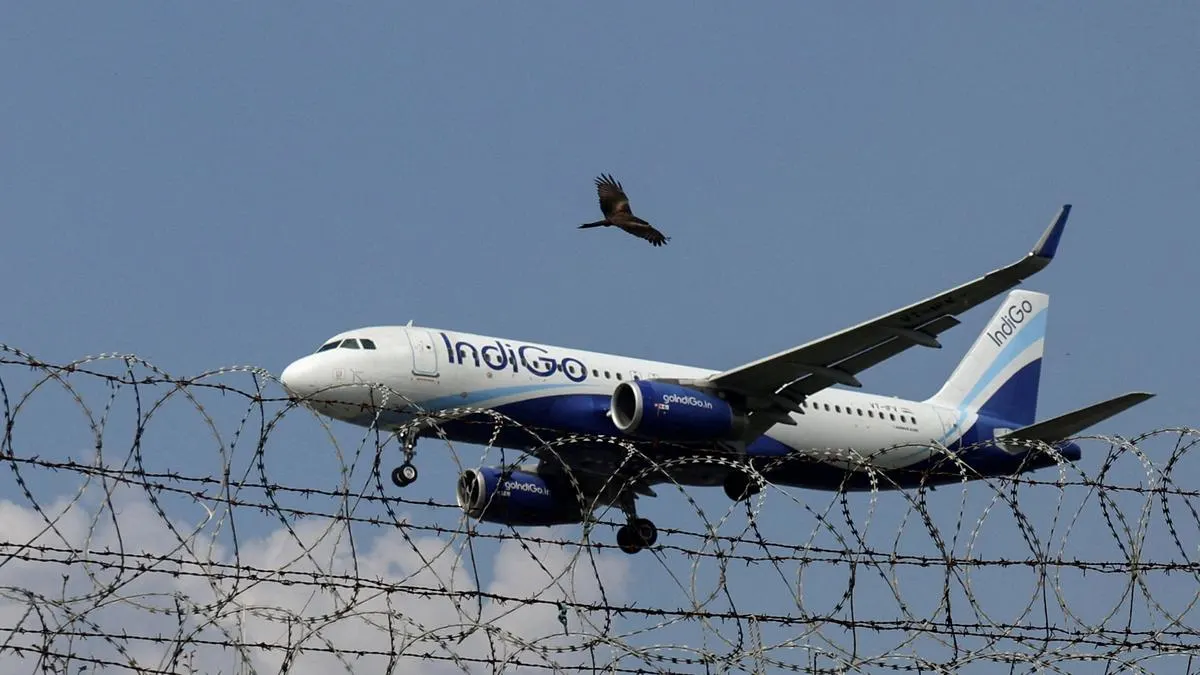
IndiGo has suspended all Europe flights due to widespread airspace closures following the Iran-Israel conflict, impacting its leased widebody operations.
Key Takeaways
- •Suspended all European routes operated by leased widebody aircraft
- •Impacted by EASA advisories closing airspace over Iran and surrounding regions
- •Highlights vulnerability of long-haul expansion ahead of A350 deliveries in 2027
- •Compounded by Pakistan airspace restrictions, limiting viable detour options
IndiGo (6E) has suspended its long-haul flights to Europe following widespread airspace closures over the Middle East due to the ongoing Iran-Israel conflict. The decision grounds the carrier's leased widebody fleet and pauses its ambitious European expansion, which was being facilitated through wet and damp-leased aircraft. The suspension is a direct response to safety advisories issued by the European Union Aviation Safety Agency (EASA), which has recommended that operators avoid the airspace of Iran and several neighboring countries.
The grounding presents a significant operational challenge for IndiGo and its passengers. The airline's routes to destinations including London and Amsterdam are now unviable due to the closure of key Flight Information Regions (FIRs) over Iran, Iraq, Jordan, and Lebanon. For Indian carriers, the problem is compounded by long-standing restrictions on using Pakistani airspace. This eliminates the most direct westbound routes, forcing any potential detours to be significantly longer and more costly. According to analysis from AirInsight, such rerouting can add 1-3 hours to flight times and increase fuel consumption by 15-20% per trip, making the routes economically unsustainable for a low-cost carrier model.
IndiGo's Widebody Strategy and Fleet
The grounded flights were operated not by IndiGo's own aircraft, but through leasing agreements critical to its international growth strategy. The airline's widebody operations involve wet-leased Boeing 777s from Turkish Airlines and damp-leased Boeing 787-9s from Norse Atlantic Airways. A wet lease, also known as an ACMI (Aircraft, Crew, Maintenance, and Insurance) lease, involves the lessor providing the entire operational package. This strategy allowed IndiGo to enter the competitive India-Europe market without the immediate capital expenditure of purchasing its own widebody jets.
IndiGo's own long-haul fleet is still in the pipeline. In April 2024, the airline placed a firm order for 30 Airbus A350-900 aircraft, with deliveries scheduled to begin in 2027. This order signals the airline's long-term commitment to expanding its international network, a vision articulated by CEO Pieter Elbers. The current suspension highlights the risks of using interim leasing solutions, which are subject to the operational and regulatory constraints of the leasing partner, in this case, European carriers bound by EASA directives.
Broader Industry Impact
The Iran-Israel conflict, which escalated around February 28, 2026, has had an immediate and severe impact on regional and international air traffic. According to aviation data, major Middle Eastern hubs saw flight activity decline sharply, with carriers like Emirates, Qatar Airways, and Etihad experiencing flight reductions between 21% and 27%. The airspace closures have forced a significant rerouting of traffic between Europe and Asia. Airlines are now utilizing a southern corridor via Saudi Arabia and Egypt or a constrained northern route over the Caucasus region.
These detours carry substantial financial penalties. Industry data indicates that the longer flight paths can increase operating costs by $6,000 to $7,500 per flight hour, with fuel costs alone potentially rising by up to $20,000 per flight. In response, competitors like Air India have reportedly increased direct capacity to Europe and North America, aiming to capture traffic that might otherwise transit through now-disrupted Middle Eastern hubs.
What Comes Next
The duration of IndiGo's flight suspension remains uncertain and is entirely dependent on the geopolitical situation in the Middle East and subsequent guidance from regulatory bodies like EASA and India's Directorate General of Civil Aviation (DGCA). The airline has not provided a timeline for the resumption of services. The official EASA Conflict Zone Information Bulletin (CZIB) remains active, advising operators to exercise extreme caution. For the immediate future, IndiGo's focus will likely return to its domestic and short-haul international network, which is operated by its fleet of over 350 Airbus A320 family aircraft. The airline's long-term strategy hinges on the 2027 delivery of its A350s, which will give it greater operational control over its intercontinental routes. More information can be found on the airline's official press release page.
Why This Matters
This development underscores the vulnerability of airline expansion strategies to geopolitical instability, particularly for carriers relying on leased assets. For IndiGo, it represents a significant setback to its short-term long-haul ambitions and highlights the complex operational calculus faced by Indian airlines, which must navigate multiple layers of airspace restrictions. The situation serves as a stark reminder of how regional conflicts can have immediate and costly consequences for the global aviation network.
Get breaking commercial aviation news and expert airline analysis at omniflights.com. Follow aviation sustainability efforts, emissions research, and green initiatives in the Environmental section at omniflights.com/environmental.

Written by Ujjwal Sukhwani
Aviation News Editor & Industry Analyst delivering clear coverage for a worldwide audience. Covers flight operations, safety regulations, and market trends with expert analysis.
Visit ProfileYou Might Also Like

Southwest Reports Record Q3 Revenue Amid Transformation
American Airlines Reports Record Q3 Revenue Amid Fuel Costs
American Airlines Projects 2026 Loss on Rising Fuel Costs
American Airlines to Nearly Triple Premium 787-9 Fleet

Airline Shares Rise Following United Revenue Guidance