IndiGo Aircraft Struck by Unmanned Catering Truck at Kolkata Airport

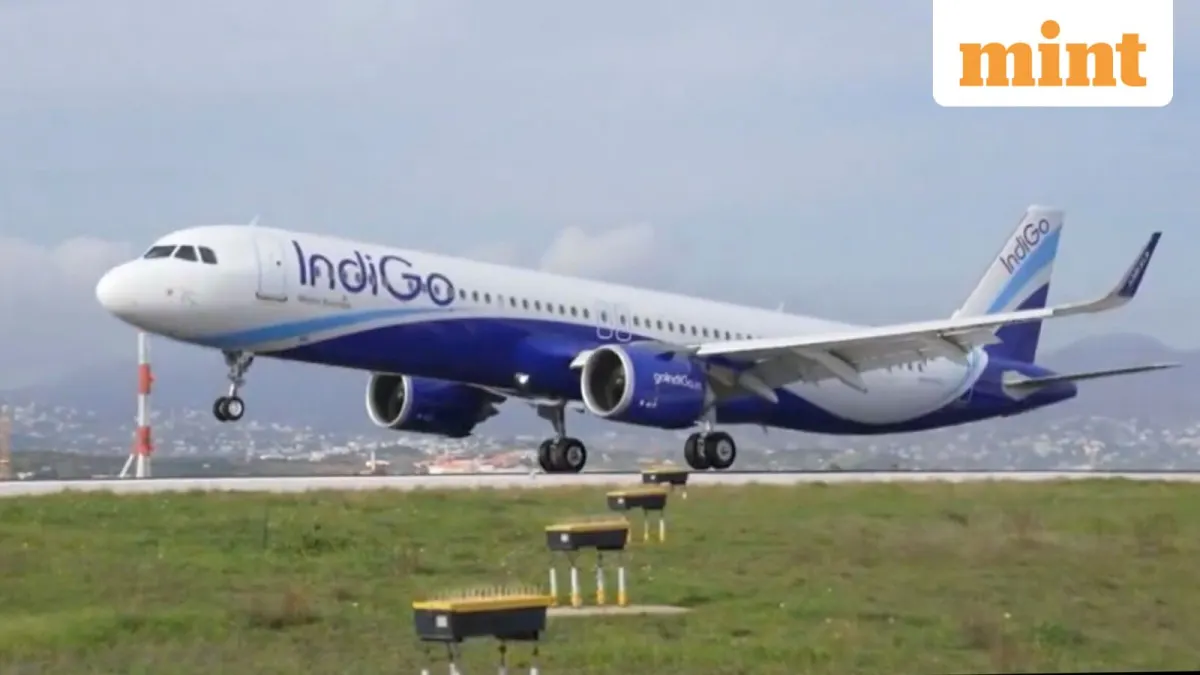
An IndiGo aircraft sustained minor damage after being struck by an unmanned catering truck at Kolkata airport, grounding the plane for a full inspection.
Key Takeaways
- •Grounded an IndiGo aircraft at Kolkata Airport (CCU) after it was struck by an unmanned catering truck.
- •Required a full DGCA-overseen inspection and Return to Service certification before the plane could resume flights.
- •Highlights the costly industry problem of ground damage, which IATA estimates could cost nearly $10 billion by 2035.
- •IndiGo arranged an alternate aircraft for flight 6E 6663 to Guwahati to minimize passenger disruption.
An IndiGo aircraft was grounded for inspection at Kolkata's Netaji Subhas Chandra Bose International Airport (CCU) on April 7, 2026, after being struck by an unmanned third-party catering truck on the apron. The aircraft, scheduled to operate flight 6E 6663 to Guwahati (GAU), sustained minor damage to one of its engines.
Passengers experienced delays as the airline arranged for an alternate aircraft to complete the service. In an official statement, IndiGo confirmed the incident, stating, "A third-party unmanned vehicle on the apron moved and came in contact with a parked IndiGo aircraft... The aircraft is grounded undergoing thorough inspections and necessary maintenance before being cleared for operations." The incident is now under investigation by the Directorate General of Civil Aviation (DGCA), India's aviation regulatory body.
Incident Details and Regulatory Scrutiny
The collision involved a piece of Ground Support Equipment (GSE), a category of vehicles used to service aircraft. The unmanned catering truck rolled into the stationary IndiGo plane, impacting an engine cowling. Following the event, the aircraft was immediately removed from service to undergo mandatory inspections as per DGCA regulations.
Before the aircraft can re-enter commercial service, it must receive a Return to Service (RTS) certification. This process requires a thorough examination by certified maintenance engineers to ensure no structural or systems damage compromises its airworthiness. The DGCA's investigation will focus on the procedures of the third-party ground handler responsible for the catering truck, examining potential lapses in safety protocols, equipment maintenance, or personnel training. The catering provider could face financial liability for repairs and regulatory penalties from the DGCA.
A Persistent Industry-Wide Challenge
This event at Kolkata airport highlights the persistent and costly issue of ground damage in the global aviation industry. According to the International Air Transport Association (IATA), ground handling accidents cost airlines billions of dollars annually. Data from the IATA Incident Data eXchange (IDX) Database revealed over 5,800 aircraft damage events caused by GSE over a three-year period, with GSE operations responsible for approximately 47% of all aircraft ground damage.
A comprehensive IATA ground damage study projects that the annual cost of these incidents could nearly double from $5 billion to almost $10 billion by 2035 if preventive measures are not widely adopted. In response, IATA is advocating for the adoption of Enhanced GSE, which incorporates modern anti-collision systems, automated braking, and improved sensor technology to mitigate the risk of apron accidents.
Historical Context and Recent Incidents
The incident is not an isolated event for IndiGo or Indian aviation. In February 2026, an IndiGo aircraft was involved in a minor wingtip collision with an Air India plane during pushback at Mumbai Airport, prompting a DGCA investigation. Similarly, in August 2025, an IndiGo A321 suffered a tail strike in Mumbai, which also resulted in the aircraft being grounded for structural repairs. These historical precedents underscore the operational risks inherent in congested airport aprons and the importance of stringent ground movement protocols.
What Comes Next
Following the collision, the immediate priority is the technical assessment of the damaged IndiGo aircraft. IndiGo's engineering team, under the oversight of the DGCA, is expected to complete its structural and engine inspections in April 2026. Once any necessary repairs are completed and certified, the aircraft will be cleared to return to service.
The DGCA is anticipated to release a preliminary report on the ground incident by May 2026. This report will likely detail the root cause of the catering truck's uncontrolled movement and may include safety recommendations for the airport operator and ground handling agencies at CCU to prevent future occurrences.
Why This Matters
This ground collision, while resulting in only minor damage, serves as a critical reminder of the financial and operational vulnerabilities airlines face on the ground. It reinforces the industry-wide focus on improving apron safety through better technology, training, and oversight. For airlines like IndiGo, which operate a high-frequency, quick-turnaround model, even the temporary loss of a single airframe can cause network disruptions, highlighting the need for robust ground handling partnerships and safety management systems.
Frequently Asked Questions
- What happened to the IndiGo aircraft at Kolkata airport?
- On April 7, 2026, a parked IndiGo aircraft was struck by an unmanned catering truck at Kolkata's Netaji Subhas Chandra Bose International Airport. The aircraft sustained minor damage to an engine and was immediately grounded for a full inspection.
- How common are aircraft ground damage incidents?
- Aircraft ground damage is a significant industry issue. According to the International Air Transport Association (IATA), ground support equipment (GSE) is responsible for about 47% of all ground damage incidents, costing the industry billions annually and projected to rise to nearly $10 billion by 2035.
- What happens after an aircraft is damaged on the ground in India?
- The aircraft must be grounded and undergo detailed structural and systems inspections by certified engineers. India's Directorate General of Civil Aviation (DGCA) oversees this process, and the aircraft cannot return to passenger service until it receives a formal Return to Service (RTS) certification.
Visit omniflights.com for the latest commercial aviation news and airline industry updates. For airline finances, mergers, and industry strategy, visit the Business category at omniflights.com/business.

Written by Hardik Vishwakarma
Co-Founder & Aviation News Editor leading initiatives that improve trust and visibility across the global aviation industry. Covers airlines, airports, safety, and emerging technology.
Visit ProfileYou Might Also Like

Flydubai FZ1073 Hijacking: Crew Thwarts Mid-Air Attack

Flydubai Pilot Attack Raises Cockpit Insider Threat Concerns

Flydubai FZ1073 Hijack Attempt: Pilot Had Targeted Tel Aviv
Flydubai FZ1073 Hijack Attempt Leads to 16,000-Foot Plunge
FlyDubai Flight FZ1073: Captain Stabbing Under Investigation