NTSB Blocks UPS Crash Files After AI CVR Fabrications

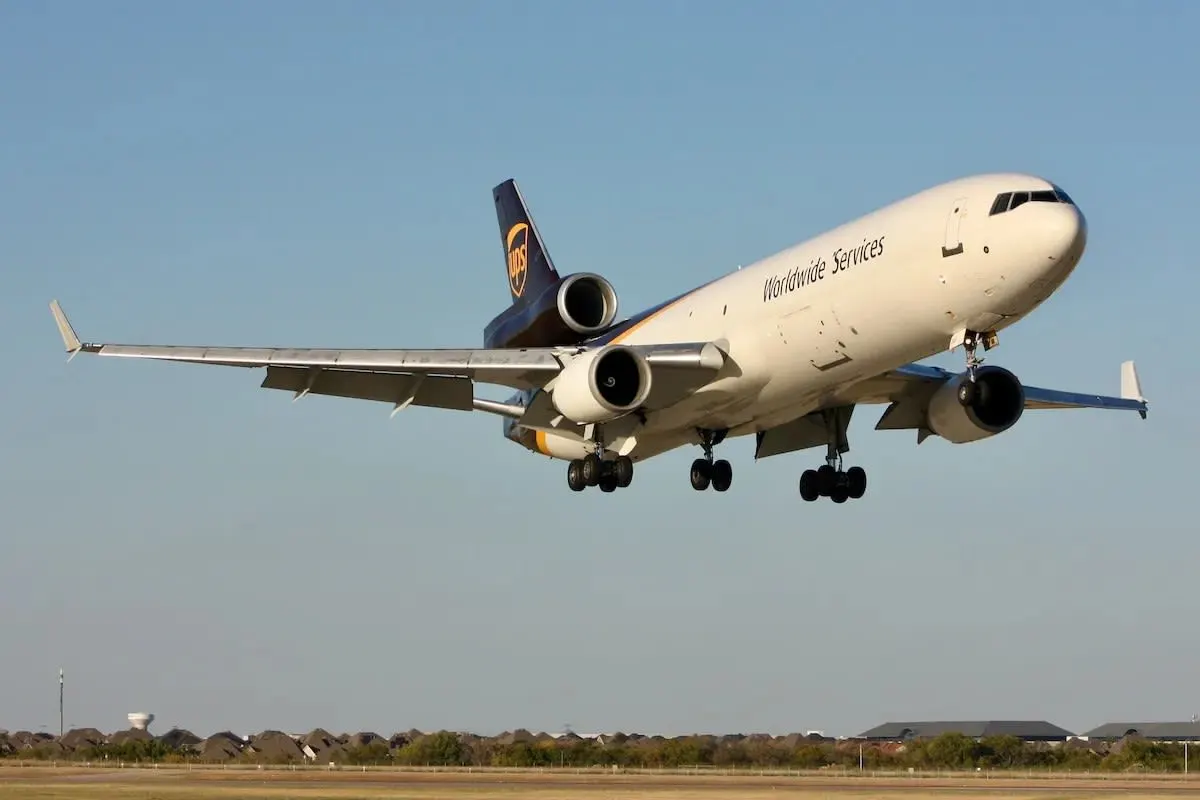
The NTSB suspended public access to accident dockets after AI was used to reconstruct cockpit audio from spectrograms related to the UPS Flight 2976 crash.
Key Takeaways
- •NTSB suspended public dockets after AI reconstructed cockpit audio.
- •UPS Flight 2976 crash in 2025 resulted in 15 total fatalities.
- •Federal law 49 U.S.C. § 1114(c) prohibits public release of CVR audio.
- •UPS retired its entire MD-11 fleet in January 2026.
The National Transportation Safety Board (NTSB) has temporarily suspended public access to its accident investigation docket system following the unauthorized use of Artificial Intelligence to reconstruct audio from the UPS Flight 2976 crash. Investigators discovered that internet users had utilized AI tools to synthesize cockpit audio by reverse-engineering publicly released spectrograms found within the investigation files. This development highlights a critical new vulnerability in aviation data transparency, as the NTSB CVR AI fabrication incident demonstrates how derivative visual artifacts can be exploited to bypass existing privacy protections.
Background on UPS Flight 2976
UPS Flight 2976, an McDonnell Douglas MD-11 cargo aircraft, crashed in Louisville, Kentucky, on November 4, 2025. The accident resulted in 15 total fatalities, including three crew members and 12 individuals on the ground. This casualty toll remains unusually high for a cargo operation, leading to intense public and regulatory scrutiny. Following the tragedy, UPS retired its entire remaining MD-11 fleet in January 2026. The NTSB continues its investigation, with Chair Jennifer Homendy emphasizing the complexity of the process, noting that the agency is committed to finding the right solutions and safety recommendations.
Regulatory and Privacy Implications
Federal law, specifically 49 U.S.C. § 1114(c), strictly prohibits the public release of actual Cockpit Voice Recorder (CVR) audio to protect crew privacy and maintain the integrity of safety investigations. Historically, this protection was solidified following the Delta Air Lines Flight 1141 controversy in the late 1980s, which led to the legislative mandate that only text transcripts be made public. The recent AI-driven reconstruction effectively bypasses these legal safeguards, forcing regulatory bodies like the NTSB and the Federal Aviation Administration (FAA) to reevaluate how they handle investigation artifacts.
For more information on current safety protocols, the NTSB Accident Investigations Portal serves as the official hub for updates. Furthermore, the FAA Regulations and Policies page provides context on broader mandates, such as the February 2026 rule extending CVR retention requirements to 25 hours for new aircraft.
Stakeholder Impact and Industry Response
The suspension of the public docket system has significant consequences for stakeholders. Investigative agencies must now overhaul data release protocols to ensure that visual artifacts cannot be reverse-engineered. Meanwhile, the families of victims face renewed trauma due to the circulation of synthesized audio. The Air Line Pilots Association (ALPA) is expected to push for stricter legislative controls over flight deck data. Conversely, transparency advocates argue that restricting access to the entire docket system may stifle independent safety research, suggesting that agencies must instead adopt more sophisticated data sanitization methods for all shared files.
Technical Analysis
The NTSB's response to the aviation data reconstruction AI threat marks a shift in how safety agencies manage digital information. Historically, technical data like spectrograms were considered safe for public release because they were not audio files. However, the rise of advanced generative models has rendered this distinction obsolete. This incident suggests that the industry is entering a cycle where traditional 'de-identification' techniques are no longer sufficient. Aviation authorities will likely face ongoing pressure to balance the public's right to information with the evolving reality that AI can bridge the gap between benign data and sensitive, restricted content.
What Comes Next
The NTSB is expected to restore access to its public docket system by late 2026 once new security safeguards are implemented. The final accident report for UPS Flight 2976 is also anticipated in mid-to-late 2026. These milestones will be critical in determining how the agency reconciles its mandate for transparency with the need to protect sensitive crew communications from future AI-driven exploitation.
Why This Matters
This development signals a fundamental change in the security of aviation accident investigations. As AI capabilities advance, the ability to protect sensitive data depends less on file formats and more on preventing the release of any information that can be reverse-engineered. For the industry, this means a likely period of restricted data flow while agencies modernize their digital security standards.
Frequently Asked Questions
- Why did the NTSB suspend its public accident investigation docket?
- The NTSB suspended access after discovering that internet users were using AI to reconstruct sensitive cockpit audio from publicly released spectrograms, which violated federal privacy laws.
- What is the legal status of CVR audio in the United States?
- Under 49 U.S.C. § 1114(c), the public release of actual Cockpit Voice Recorder audio is strictly prohibited to protect the privacy of flight crews and the integrity of investigations.
For in-depth airline coverage and commercial aviation news, omniflights.com delivers timely industry insights. Get the latest updates on major hubs, regional terminals, and airport operations via the Airports section at omniflights.com/airports.

Written by Hardik Vishwakarma
Co-Founder & Aviation News Editor leading initiatives that improve trust and visibility across the global aviation industry. Covers airlines, airports, safety, and emerging technology.
Visit ProfileYou Might Also Like

FlyDubai Flight FZ1073: Captain Stabbing Under Investigation

Flydubai FZ1073 Hijacking Thwarted After Cockpit Attack

EASA Grounds Elixir Aircraft Fleet After Fatal French Crash
FlyDubai Flight 1073 Attacker Studied at UK University

Flydubai FZ1073: Co-pilot Used Axe in Hijacking Attempt