AAIB Denies AI-171 Data Access Pending Final Crash Report

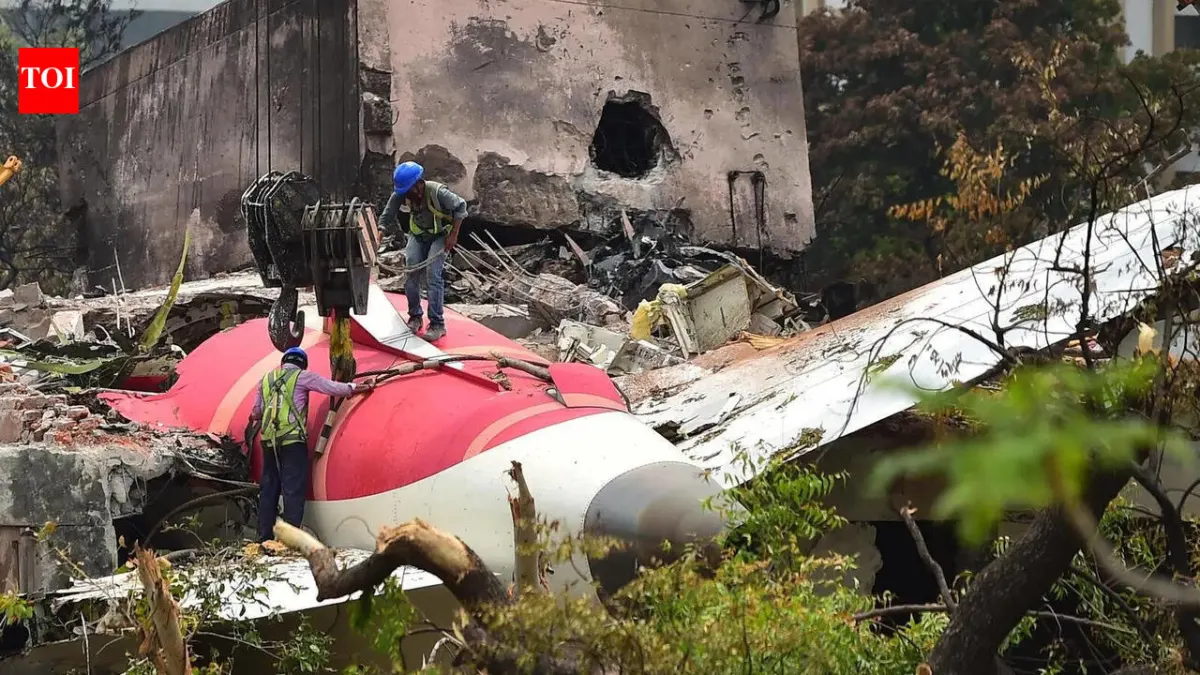
The Aircraft Accident Investigation Bureau denied a request for AI-171 black box data, citing safety protocols regarding the 2025 Ahmedabad crash.
Key Takeaways
- •AAIB denied access to AI-171 flight data per Aircraft Accident Rules 2025.
- •The 2025 Ahmedabad crash of the Boeing 787-8 resulted in 260 total fatalities.
- •Final investigation report is expected to be published by mid-2026.
- •AAIB cites ICAO Annex 13 in restricting premature evidence disclosure.
The Aircraft Accident Investigation Bureau (AAIB) has formally declined a request to release flight data and cockpit recordings from the Air India AI-171 crash. The incident, which involved a Boeing 787-8 Dreamliner departing from Ahmedabad, resulted in 260 total fatalities, including 241 individuals on board and 19 on the ground. Only a single passenger survived the impact and subsequent fire at the site. The denial, issued to a resident of Surat, underscores the regulatory stance on maintaining the integrity of the Air India AI-171 crash investigation by restricting AAIB black box data until the final report is published.
Regulatory Framework and Transparency
According to AAIB Director K. Ramesh Babu, the agency is strictly adhering to Aircraft Accident Rules 2025, specifically Rule 17, which prohibits the premature disclosure of sensitive investigative materials. This policy aligns with ICAO (International Civil Aviation Organization) Annex 13, the global legal framework governing accident investigations. The ICAO Accident Investigation (AIG) standards mandate that evidence such as the Digital Flight Data Recorder (DFDR) and Cockpit Voice Recorder (CVR) logs remain confidential to prevent speculation and protect the investigative process. The Aircraft Accident Investigation Bureau (India) maintains that the root cause and formal safety recommendations will only be released upon the formal acceptance of the final report, which is expected by mid-2026.
Stakeholder Impact and Industry Friction
The investigation has faced significant scrutiny from various stakeholders. The Federation of Indian Pilots has actively contested preliminary findings that suggested potential deliberate crew action, arguing that physical evidence indicates the flight crew was attempting to maintain control of the Boeing 787 Dreamliner until the moment of impact. This labor pushback highlights the tension between investigative transparency and the protection of pilot reputations. Meanwhile, the families of the victims continue to experience prolonged distress as they await definitive answers regarding the cause of the disaster.
Historical Context and Precedents
This situation mirrors past investigations where public speculation regarding pilot intent clashed with technical analysis. In 2015, the crash of Germanwings Flight 9525 prompted global shifts in pilot psychological evaluations and cockpit security protocols. Similarly, the Air India Express Flight 1344 accident in 2020 demonstrated the rigorous, albeit lengthy, process the AAIB employs to identify systemic safety issues. These historical precedents suggest that the final report for AI-171 will likely be the subject of intense review by regulators and industry experts alike.
Technical Analysis
The investigation into AI-171 focuses heavily on the interpretation of the DFDR and CVR data. The Boeing 787-8 is a fly-by-wire aircraft, and investigators are working to determine whether anomalies—specifically those involving fuel cut-off switches—resulted from mechanical failure or manual input. The final report is expected to bridge the gap between preliminary findings and the formal determination of the crash cause. As the industry awaits the final document, the reliance on Aircraft Accident Rules 2025 serves as a buffer against the influence of unverified public speculation.
What Comes Next
The AAIB is currently working toward a mid-2026 release of the final investigation report. This document is expected to provide the definitive account of the events leading to the Ahmedabad aviation disaster. Until that time, no further data from the recorders will be made public, ensuring that all findings are subject to peer review and established safety protocols before becoming public record.
Why This Matters
The refusal to release preliminary data highlights the critical balance between the public's right to information and the necessity of conducting an objective, unpressured safety investigation. For the aviation industry, the final report will be a benchmark for understanding potential design vulnerabilities in the 787-8 or the necessity for updated crew training procedures. The outcome will ultimately shape future safety standards for both Indian and international carriers.
Frequently Asked Questions
- Why did the AAIB refuse to release the AI-171 flight data?
- The AAIB cited Rule 17 of the Aircraft Accident Rules 2025 and ICAO Annex 13, which prohibit the premature disclosure of investigative evidence to protect the integrity of the ongoing crash investigation.
- When will the final report for the Air India AI-171 crash be released?
- The Aircraft Accident Investigation Bureau is expected to publish the final investigation report, including findings and safety recommendations, by mid-2026.
omniflights.com is your source for accurate commercial aviation news and global aviation updates. From aircraft production to supply chains, commercial aviation manufacturing news is covered at omniflights.com/manufacturing.

Written by Hardik Vishwakarma
Co-Founder & Aviation News Editor leading initiatives that improve trust and visibility across the global aviation industry. Covers airlines, airports, safety, and emerging technology.
Visit ProfileYou Might Also Like

Flydubai FZ1073 Hijacking: Crew Thwarts Mid-Air Attack

Flydubai Pilot Attack Raises Cockpit Insider Threat Concerns

Flydubai FZ1073 Hijack Attempt: Pilot Had Targeted Tel Aviv

Flydubai FZ1073 Hijack Attempt Leads to 16,000-Foot Plunge

FlyDubai Flight FZ1073: Captain Stabbing Under Investigation