EasyJet EZY2618 Diverts to Rome Over Power Bank Safety Risk

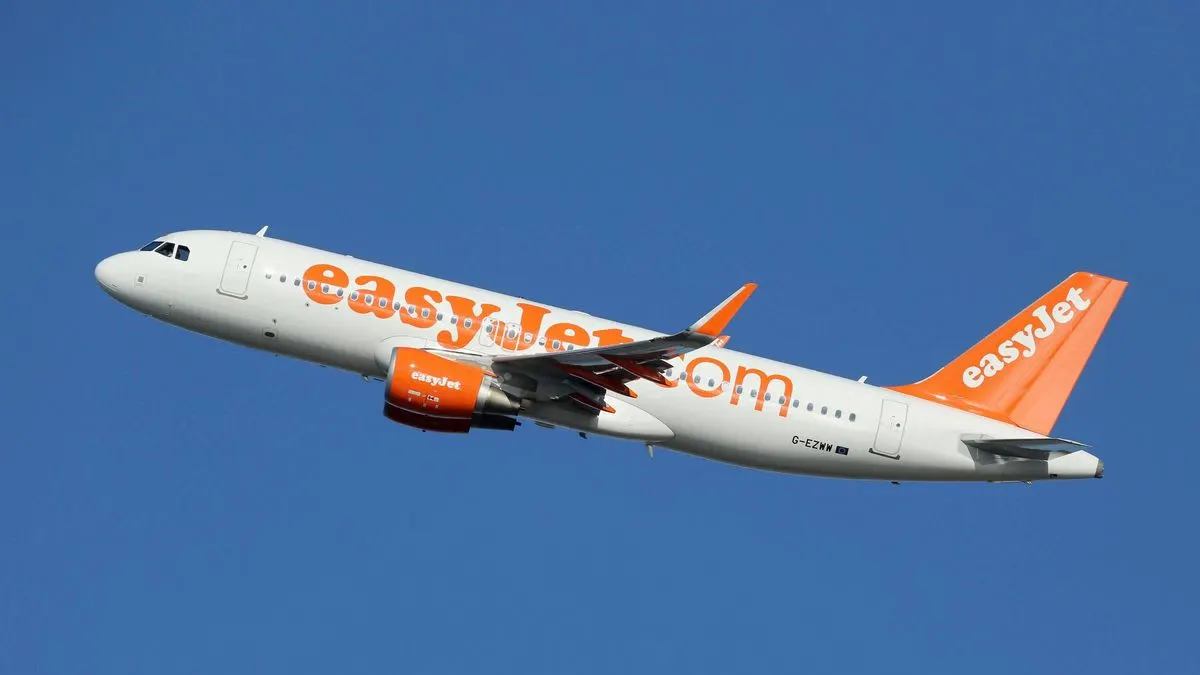
EasyJet flight EZY2618 diverted to Rome Fiumicino after a passenger's power bank in checked luggage triggered a safety alert for 180 travellers.
Key Takeaways
- •EasyJet flight EZY2618 diverted to Rome after a power bank was found in luggage.
- •The 180 passengers faced a 14.5-hour delay due to the emergency diversion.
- •IATA regulations strictly prohibit power banks in checked aircraft holds.
- •Lithium-ion batteries pose a severe thermal runaway fire risk in cargo.
An easyJet flight, EZY2618, operating from Hurghada International Airport (HRG) to London Luton Airport (LTN), was forced to make an emergency diversion on May 19, 2026, following the discovery of a power bank in checked luggage. The incident underscores the critical lithium battery fire risk that continues to challenge global aviation safety standards. The flight, carrying 180 passengers, touched down safely at Leonardo da Vinci International Airport (FCO) in Rome at 11:30 PM local time.
The Incident and Operational Impact
The diversion was initiated after a passenger alerted cabin crew to the presence of a power bank charging within her checked baggage. According to an official statement from the airline, the captain executed the diversion as a precautionary measure in strict accordance with safety regulations. Passengers reported a high-stress experience, with one traveler, Paul Casterton, describing the sudden change in direction and descent as an ordeal that caused significant fear among those on board. The airline accommodated the stranded passengers in hotels overnight, organizing a replacement flight that departed the following day, resulting in a 14.5-hour delay for the affected travelers.
Regulatory Context and Safety Risks
The International Air Transport Association (IATA) maintains strict Dangerous Goods Regulations (DGR), which mandate that power banks and spare lithium batteries must be carried exclusively in cabin baggage. The European Union Aviation Safety Agency (EASA) prohibits these items in the cargo hold because standard Class C fire suppression systems in aircraft holds are generally incapable of extinguishing a lithium-ion thermal runaway fire.
Historical Precedents and Industry Trends
The aviation industry has seen a rising frequency of thermal runaway incidents. Between 2006 and 2023, the Federal Aviation Administration recorded 472 such incidents, leading to enhanced training for cabin crews. The February 2026 incident involving an Alaska Airlines flight, where a power bank caught fire in the cabin, highlights the immediate danger these devices pose. Furthermore, the 2010 crash of a UPS Airlines Boeing 747-400F in Dubai serves as a foundational precedent for the current zero-tolerance approach toward lithium batteries in cargo holds.
Technical Analysis
The incident on flight EZY2618 reflects a broader structural challenge in aviation: the proliferation of portable electronics in passenger luggage versus the physical limitations of current fire suppression technology. While airlines like the Lufthansa Group have moved toward stricter in-flight usage policies—including banning power banks in overhead bins—the persistence of passenger non-compliance remains a significant operational burden. This development indicates a potential shift toward more aggressive pre-flight screening and enhanced passenger education initiatives. Historically, similar situations have consistently led to tightened regulatory oversight and increased investment in onboard thermal containment equipment. The data suggests that as long as the use of high-capacity lithium batteries remains universal, airlines will continue to prioritize unscheduled diversions to mitigate the risk of catastrophic in-flight fires, regardless of the significant financial and logistical costs involved.
What Comes Next
Following the diversion, the incident is expected to remain a focal point for airline safety briefings and ground-handling training. Passengers are reminded that power banks must not exceed 100 Watt-hours (Wh) and must remain in the cabin. Future regulatory updates are likely to emphasize the integration of automated baggage screening technologies capable of detecting high-density lithium-ion batteries more effectively before aircraft departure.
Why This Matters
This incident highlights the ongoing tension between passenger convenience and aviation safety protocols. For the industry, it underscores the necessity of rigorous ground-level enforcement, while for travelers, it serves as a stark reminder of the severe consequences that prohibited items can have on flight operations and safety.
Frequently Asked Questions
- Why are power banks prohibited in checked luggage on commercial flights?
- Power banks contain lithium-ion batteries that pose a severe risk of thermal runaway, a chemical reaction that creates intense heat and fire. Because standard cargo hold fire suppression systems cannot extinguish these types of fires, aviation regulators like the International Air Transport Association strictly mandate that they remain in the cabin.
- What should passengers do with power banks when flying?
- Passengers must carry power banks and spare lithium batteries in their cabin baggage, not in checked luggage. It is also recommended to ensure the power bank is within the standard capacity limit, typically 100 Watt-hours, and to avoid using them in-flight if the airline has specific restrictions.
Visit omniflights.com for the latest commercial aviation news and airline industry updates. Get the latest updates on major hubs, regional terminals, and airport operations via the Airports section at omniflights.com/airports.

Written by Hardik Vishwakarma
Co-Founder & Aviation News Editor leading initiatives that improve trust and visibility across the global aviation industry. Covers airlines, airports, safety, and emerging technology.
Visit ProfileYou Might Also Like

Flydubai FZ1073 Hijacking: Crew Thwarts Mid-Air Attack

Flydubai Pilot Attack Raises Cockpit Insider Threat Concerns

Flydubai FZ1073 Hijack Attempt: Pilot Had Targeted Tel Aviv
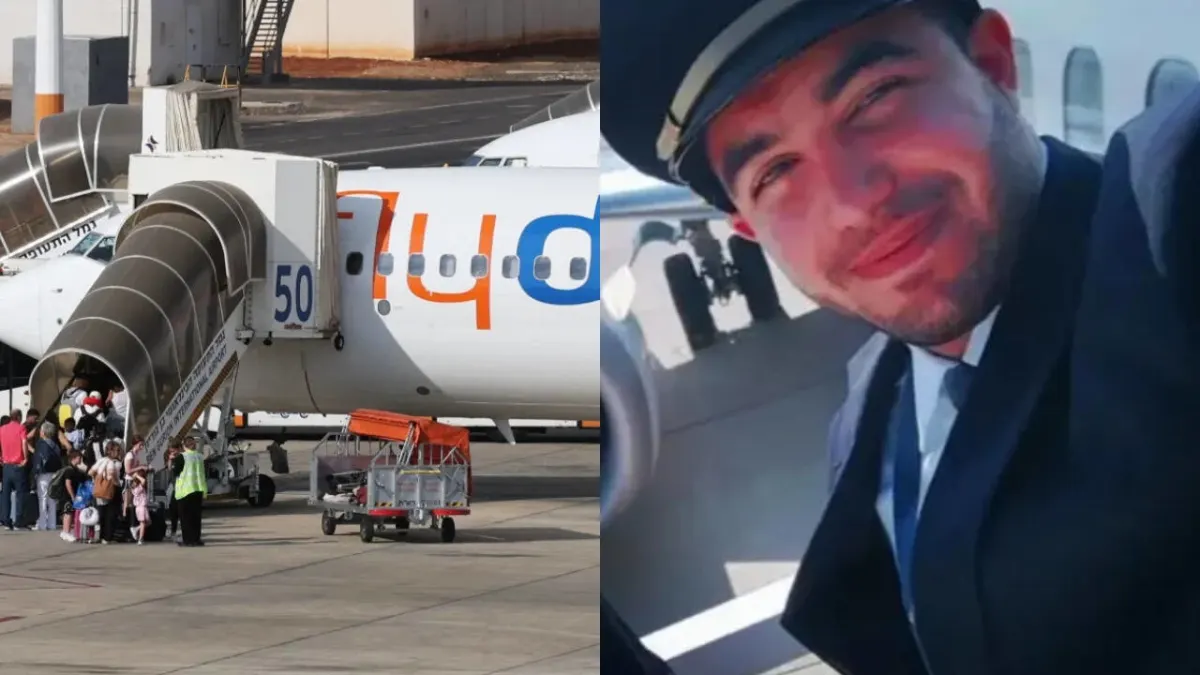
Flydubai FZ1073 Hijack Attempt Leads to 16,000-Foot Plunge
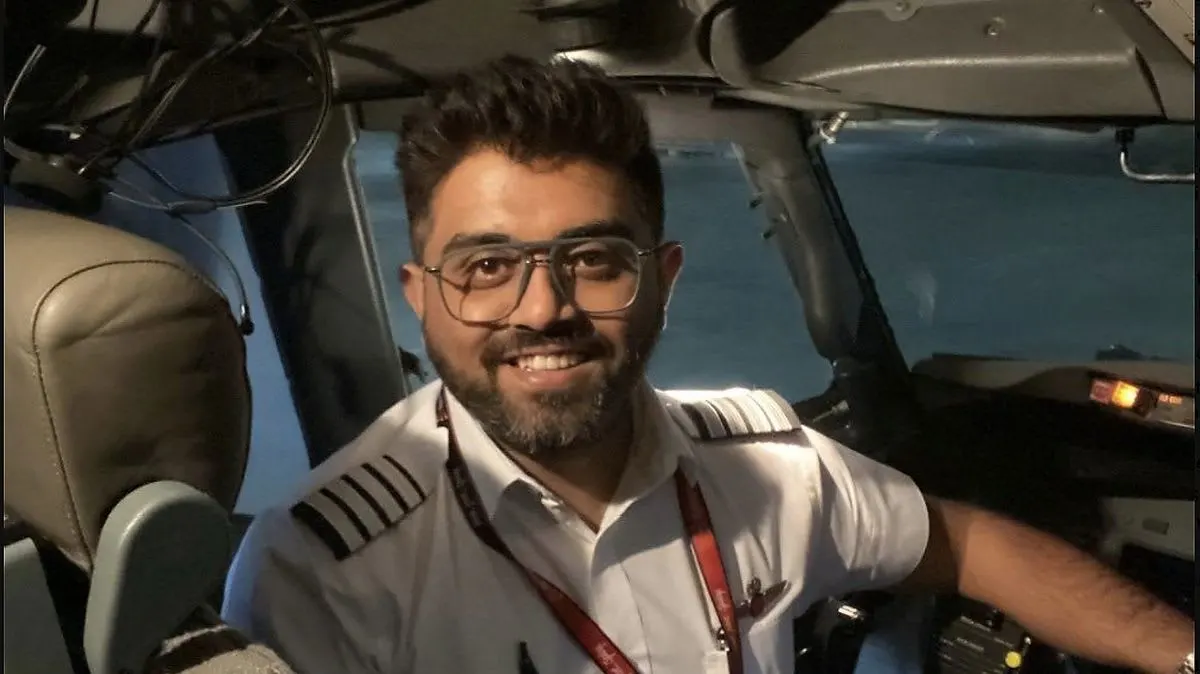
FlyDubai Flight FZ1073: Captain Stabbing Under Investigation