Cathay Pacific Flight CX156 Reports 8 Injured in Turbulence

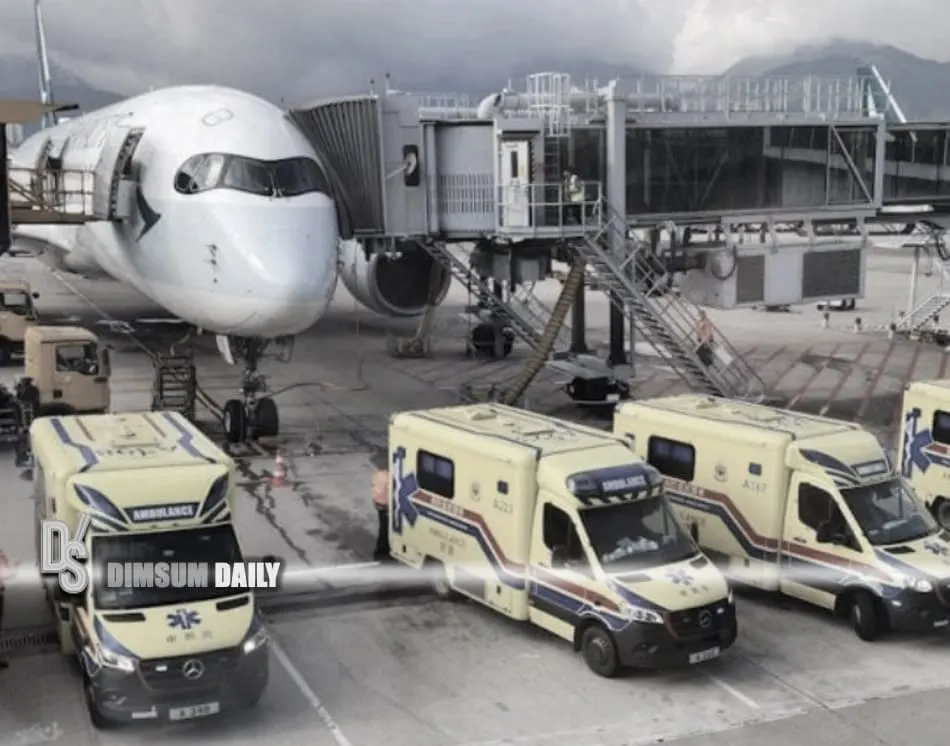
Cathay Pacific flight CX156 encountered severe turbulence on May 23, 2026, resulting in 8 hospitalizations after landing at Hong Kong International...
Key Takeaways
- •Cathay Pacific flight CX156 encountered severe turbulence on May 23, 2026.
- •Ten individuals sustained minor injuries, with 8 transported to hospital.
- •The incident involved an Airbus A350-900 landing at Hong Kong International.
- •Regulatory bodies expect a preliminary report by June 2026.
On May 23, 2026, Cathay Pacific flight CX156 encountered Cathay Pacific severe turbulence while operating a route from Brisbane Airport (BNE) to Hong Kong International Airport (HKG). The flight, operated by an Airbus A350-900, experienced a sudden, violent drop approximately two hours before arrival, causing significant cabin disruption and injuries among those on board.
According to an official press statement from Cathay Pacific Airways, the incident resulted in 10 minor injuries, comprising six cabin crew members and four passengers. Upon landing safely at 6:35 AM local time, emergency services were deployed to the aircraft, and eight of the injured individuals were transported to North Lantau Hospital for further medical assessment.
Operational and Safety Context
The event highlights the persistent risks associated with clear-air turbulence aviation, a phenomenon that has seen increased industry focus following several high-profile incidents. The Hong Kong Civil Aviation Department (CAD) maintains strict Cabin Safety and Seatbelt Compliance Guidelines, which emphasize the necessity for passengers to remain seated with seatbelts fastened whenever possible.
For the Cathay Pacific cabin crew, the incident resulted in a medium-severity impact, with six members sustaining injuries. This underscores the occupational hazards faced by flight attendants who are often performing cabin duties when sudden, unforecasted turbulence occurs. The Airbus A350 Family is designed with advanced structural integrity, as detailed on the Airbus A350 official page, yet no aircraft design can fully negate the physical forces generated by severe atmospheric disturbances.
Industry Trends and Historical Precedents
The aviation industry is currently navigating a period of increased turbulence frequency. Atmospheric research indicates that severe clear-air turbulence over the North Atlantic increased by 55% between 1979 and 2020, a trend linked to climate change. This incident mirrors recent events such as the Singapore Airlines flight SQ321 turbulence encounter, which prompted a global review of safety protocols. The TSIB preliminary investigation into that incident serves as a primary reference for regulators analyzing the impact of such events on passenger safety and cabin management.
A350-900 vs. Boeing 787-10: Key Specifications
| Metric | Airbus A350-900 | Boeing 787-10 |
|---|---|---|
| Overall Length | 66.80 m | 68.28 m |
| Maximum Range | 8,900 nm | 6,330 nm |
| Max Take-Off Weight | 283 tonnes | 254.5 tonnes |
Technical Analysis
The recurrence of severe turbulence incidents suggests a shift in the operational landscape for long-haul carriers. As the industry faces a 55% increase in clear-air turbulence, airlines are increasingly relying on advanced meteorological forecasting and stringent seatbelt usage policies to mitigate risks. This development indicates that the traditional approach to cabin safety is being re-evaluated to account for more volatile flight corridors, potentially leading to more frequent 'fasten seatbelt' mandates throughout flights. Historically, events like the 2022 Hawaiian Airlines incident have demonstrated that even widebody aircraft are susceptible to sudden altitude shifts, reinforcing the need for proactive passenger compliance.
What Comes Next
The Hong Kong Civil Aviation Department is expected to release a preliminary incident report by June 2026. This document will likely detail the atmospheric conditions encountered by flight CX156 and evaluate the effectiveness of the crew's response during the event.
Why This Matters
This incident underscores the ongoing challenge of managing passenger safety in an era of changing climate patterns. For the aviation industry, it reinforces the necessity of continuous seatbelt vigilance and underscores the importance of rigorous crew training in handling sudden, high-force cabin disruptions.
Frequently Asked Questions
- What happened during the Cathay Pacific flight CX156 incident?
- Cathay Pacific flight CX156, an Airbus A350-900, encountered severe turbulence approximately two hours before landing in Hong Kong on May 23, 2026. The event caused 10 minor injuries, leading to 8 individuals being transported to the hospital for assessment.
- Why is clear-air turbulence becoming a concern for airlines?
- Atmospheric research indicates a 55% increase in severe clear-air turbulence over the North Atlantic between 1979 and 2020, likely linked to climate change. This trend is forcing airlines and regulators to re-evaluate cabin safety protocols and seatbelt usage policies.
Get breaking commercial aviation news and expert airline analysis at omniflights.com. For detailed airline coverage, route changes, and fleet moves, explore the Airlines section at omniflights.com/airlines.

Written by Hardik Vishwakarma
Co-Founder & Aviation News Editor leading initiatives that improve trust and visibility across the global aviation industry. Covers airlines, airports, safety, and emerging technology.
Visit ProfileYou Might Also Like

Flydubai FZ1073 Hijacking: Crew Thwarts Mid-Air Attack

Flydubai Pilot Attack Raises Cockpit Insider Threat Concerns

Flydubai FZ1073 Hijack Attempt: Pilot Had Targeted Tel Aviv
Flydubai FZ1073 Hijack Attempt Leads to 16,000-Foot Plunge
FlyDubai Flight FZ1073: Captain Stabbing Under Investigation