IndiGo A321neo Evacuated at BLR After Smoke Detected

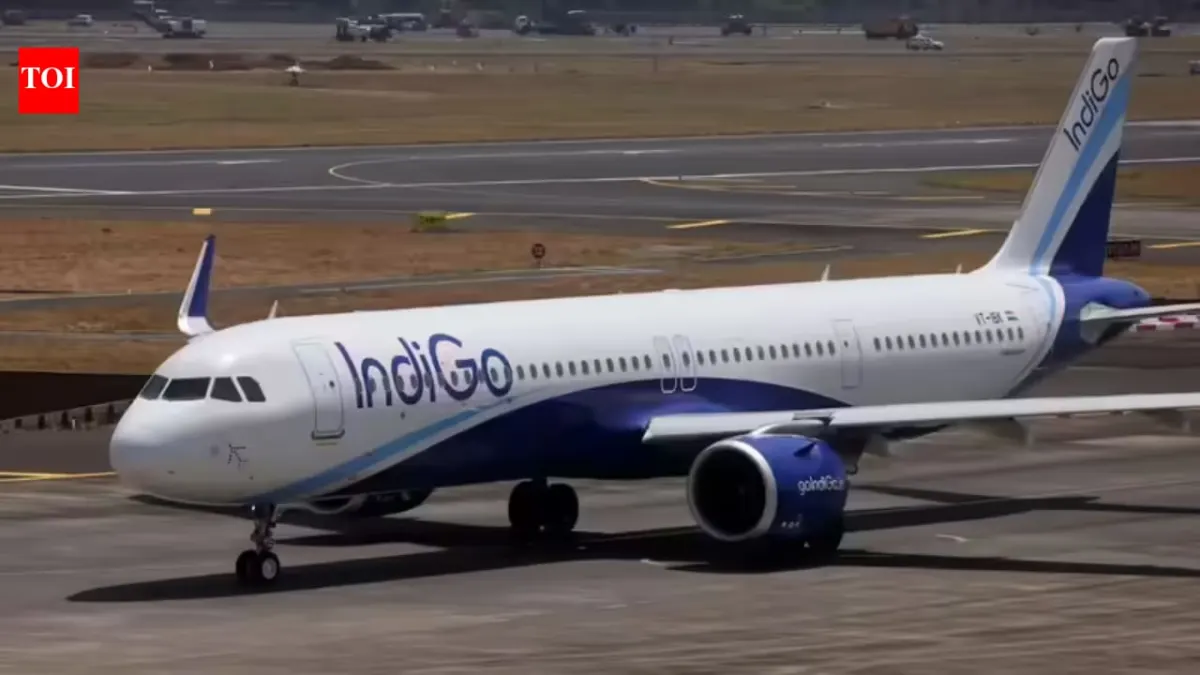
Over 230 people were evacuated from an IndiGo Airbus A321neo at Bengaluru airport on May 26, 2026, due to smoke in the cabin and cockpit.
Key Takeaways
- •IndiGo A321neo evacuated at BLR after smoke detected during taxiing.
- •Over 230 passengers and crew evacuated via emergency slides.
- •Two minor injuries reported during the May 26, 2026 incident.
- •DGCA has grounded the aircraft for a technical investigation.
An IndiGo Airbus A321neo (registration VT-IME) was evacuated using emergency slides at Kempegowda International Airport Bengaluru (BLR) on May 26, 2026, following the detection of smoke in the cabin and cockpit. The incident occurred during taxiing for flight 6E 6017, which was bound for Chennai International Airport (MAA). Over 230 passengers and crew were onboard the aircraft at the time of the emergency.
Incident Details and Regulatory Response
According to an official statement from the Directorate General of Civil Aviation (DGCA), the flight crew initiated the evacuation immediately upon observing smoke after pushback. The emergency slide deployment resulted in two passengers sustaining minor injuries. Following the evacuation, the DGCA mandated the immediate grounding of the aircraft to facilitate a comprehensive technical inspection. The Directorate General of Civil Aviation (DGCA) official portal serves as the primary authority overseeing the ongoing investigation into the root cause of the smoke.
Industry Impact and Safety Context
This event represents the second emergency slide evacuation for IndiGo in three weeks. On May 5, 2026, 198 people were evacuated from an A321neo in Chandigarh after a passenger's power bank caught fire. The repeated nature of these evacuations has placed a spotlight on airline safety protocols and passenger compliance. While the airline arranged an alternate aircraft to minimize delays for the affected passengers, the grounding of VT-IME has created a temporary gap in IndiGo's active narrowbody fleet, forcing the carrier to manage potential cascading schedule disruptions.
Passenger Safety and Compliance
While the evacuation was conducted in the interest of safety, reports from passengers indicated that some individuals attempted to retrieve cabin baggage before exiting the aircraft. This behavior, which is strictly prohibited during emergency procedures, reportedly delayed the evacuation process. Such actions highlight ongoing challenges regarding passenger adherence to safety instructions during critical in-flight incidents.
Technical Analysis
This incident highlights the operational complexities of managing a high-density narrowbody fleet. The A321neo offers significant capacity advantages, but technical anomalies necessitate immediate regulatory intervention. Historically, the DGCA has maintained a rigorous stance on grounding aircraft involved in smoke or fire incidents to ensure airworthiness before returning to service. This pattern suggests that VT-IME will likely remain out of service until the DGCA completes its technical assessment, which is expected to yield a preliminary report in June 2026. The aviation industry is closely watching how these back-to-back incidents influence future safety directives regarding cabin air quality and emergency evacuation training.
What Comes Next
- June 2026: The DGCA is expected to publish a preliminary incident report regarding the cause of the smoke.
- June 2026: The return of VT-IME to commercial service remains subject to a full technical certification and regulatory approval.
Why This Matters
This event signals a growing concern for regional carriers regarding the frequency of emergency evacuations and the resulting operational strain. For the aviation industry, the incident underscores the critical necessity of maintaining robust maintenance schedules and reinforcing passenger safety education to ensure efficient, safe evacuations during unexpected technical failures.
Frequently Asked Questions
- What caused the emergency evacuation of the IndiGo flight at BLR?
- The evacuation was initiated after smoke was detected in both the cabin and the cockpit of the Airbus A321neo while it was taxiing for departure.
- Is the aircraft involved in the incident still in service?
- No, the aircraft (VT-IME) has been grounded by the Directorate General of Civil Aviation (DGCA) to undergo a comprehensive technical inspection to identify the root cause of the smoke.
For global airline trends and commercial aviation news, turn to omniflights.com. Follow aviation sustainability efforts, emissions research, and green initiatives in the Environmental section at omniflights.com/environmental.

Written by Hardik Vishwakarma
Co-Founder & Aviation News Editor leading initiatives that improve trust and visibility across the global aviation industry. Covers airlines, airports, safety, and emerging technology.
Visit ProfileYou Might Also Like
Airline CEOs Address Flydubai Cockpit Attack Security
Saudia A320 Destroyed in Riyadh Airport Missile Strike
Saudi Arabia Opens Probe Into Flydubai Cockpit Attack

Flydubai FZ1073: Resilience Lessons After Cockpit Attack
EasyJet Flight Diverts to Amsterdam for Medical Emergency