IndiGo 6E6313 Denies Washroom Access, Cites DGCA Rules

Co-Founder & CEOAviation News Editor delivering trusted coverage across the global aviation industry.
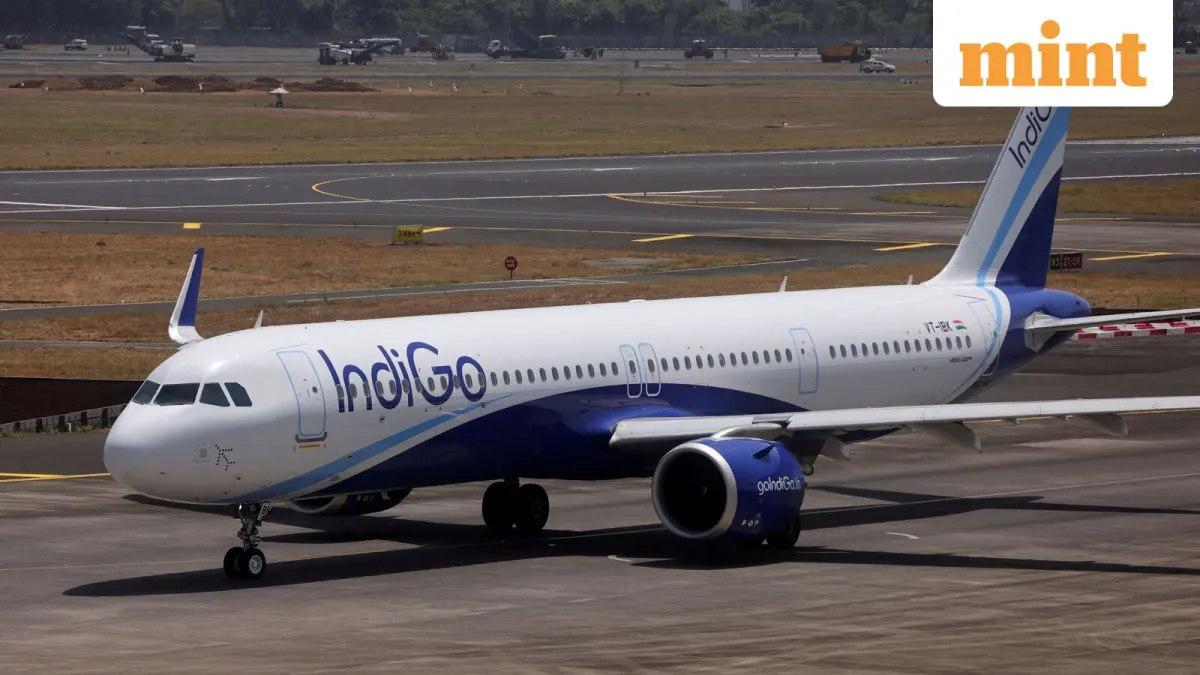
IndiGo denied a diabetic passenger washroom access on flight 6E6313, citing DGCA safety protocols for descent, prompting a MoCA investigation.
Key Takeaways
- •IndiGo denied a passenger washroom access on flight 6E6313.
- •Airline cited mandatory DGCA safety rules for flight descent.
- •India's Ministry of Civil Aviation launched an investigation.
- •Incident occurred approximately 20 minutes before landing.
An incident aboard IndiGo flight 6E6313 from Raipur to Delhi has ignited a debate over the balance between passenger needs and mandatory safety regulations. The airline denied a diabetic passenger washroom access during the flight's descent, an action it defends as compliant with DGCA cabin safety protocols. The event, which gained national attention through social media, prompted a direct public response from the Ministry of Civil Aviation India, which has launched an inquiry into the matter.
The controversy began after a fellow passenger, Shubham Kushwaha, alleged on social media that a cabin crew member refused to allow the diabetic passenger to use the lavatory. According to the post, the request was made at approximately 6:15 PM, while the aircraft landed at 6:35 PM. This 20-minute timeframe has become central to the public discussion, questioning whether the crew's decision was a rigid but necessary safety enforcement or an inflexible response to a passenger's medical needs.
IndiGo's Defense and Regulatory Framework
In its official response, IndiGo stated that its crew acted in accordance with standard operating procedures mandated by India's aviation regulator. The airline emphasized that during critical phases of flight, including descent and landing, passengers are required to remain seated with their seatbelts fastened. This rule is enforced to prevent injury in the event of unexpected turbulence or a hard landing.
The specific regulations are set by the Directorate General of Civil Aviation (DGCA), India's primary civil aviation regulatory body. The DGCA's rules on cabin safety are legally binding and unambiguous, requiring cabin crew to ensure all passengers are secured once the seatbelt sign is illuminated for landing. Aviation safety experts affirm that adherence to these protocols is non-negotiable, as deviations can lead to severe passenger injuries.
Government Intervention and Industry Trends
The incident highlights a growing trend of passengers using social media to escalate in-flight grievances, bypassing traditional customer service channels. By tagging official government bodies, passengers can often elicit a rapid and public response. In this case, the Ministry of Civil Aviation (MoCA) replied directly to the social media post, expressing regret and requesting the passenger's Passenger Name Record (PNR) to facilitate a formal investigation. This intervention from the Ministry of Civil Aviation underscores its evolving role as a public mediator in disputes between airlines and consumers.
The situation also brings to light the friction between strict safety compliance and accommodating passengers with medical conditions. While safety protocols are paramount, medical and consumer rights advocates argue that airlines need more nuanced procedures for travelers with documented health issues. They contend that a blanket refusal, without assessing the urgency of the medical need, can create a poor passenger experience and potentially risk a passenger's health.
Impact on Stakeholders
The incident carries significant implications for several groups. For IndiGo, it presents a public relations challenge, forcing the airline to defend a safety-based decision that appears insensitive to a passenger's medical condition. The airline's cabin crew are caught between enforcing mandatory regulations and facing public backlash for doing so.
For passengers with medical conditions, this event serves as a critical reminder. It highlights the necessity of managing their needs proactively before the final descent phase of a flight begins, as exceptions to the seatbelt rule are unlikely. The MoCA, meanwhile, finds itself increasingly drawn into the role of a real-time customer service arbiter, a position that requires balancing regulatory oversight with public sentiment.
What Comes Next
Following the public exchange, both the airline and the government are expected to conduct formal reviews. IndiGo will likely complete an internal incident review to ensure its crew's actions were fully aligned with company policy and DGCA regulations. Concurrently, the Ministry of Civil Aviation is expected to conclude its investigation based on the passenger's formal grievance.
Both reviews are expected to be finalized in the second quarter of 2026. The outcome of the MoCA's investigation may provide clearer guidance for airlines and crew on handling similar situations in the future, potentially leading to updated training or communication protocols.
Why This Matters
This incident transcends a single passenger complaint, illustrating a critical pressure point in modern commercial aviation. It pits non-negotiable safety regulations against the human element of passenger care, all under the intense scrutiny of social media. The outcome will likely influence how airlines and regulators navigate the delicate balance between enforcing safety rules and demonstrating flexibility for passengers with legitimate medical needs.
Frequently Asked Questions
- Why did IndiGo deny the passenger access to the washroom?
- IndiGo stated its crew followed mandatory Directorate General of Civil Aviation (DGCA) safety protocols, which require all passengers to remain seated with their seatbelts fastened during the critical descent and landing phases of a flight.
- What was the government's response to the IndiGo incident?
- India's Ministry of Civil Aviation (MoCA) publicly responded to the passenger's social media complaint. The ministry expressed regret for the inconvenience and requested the passenger's details to formally investigate the matter.
- How much time was left before landing when the passenger requested the washroom?
- The passenger requested to use the washroom at approximately 6:15 PM, and the flight landed around 6:35 PM, leaving a window of about 20 minutes before touchdown.
Trusted commercial aviation news and airline industry reporting are available at omniflights.com. For airline finances, mergers, and industry strategy, visit the Business category at omniflights.com/business.
Written by Hardik Vishwakarma
Co-Founder & Aviation News Editor leading initiatives that improve trust and visibility across the global aviation industry. Covers airlines, airports, safety, and emerging technology.
Visit ProfileYou Might Also Like
Discover more aviation news based on similar topics
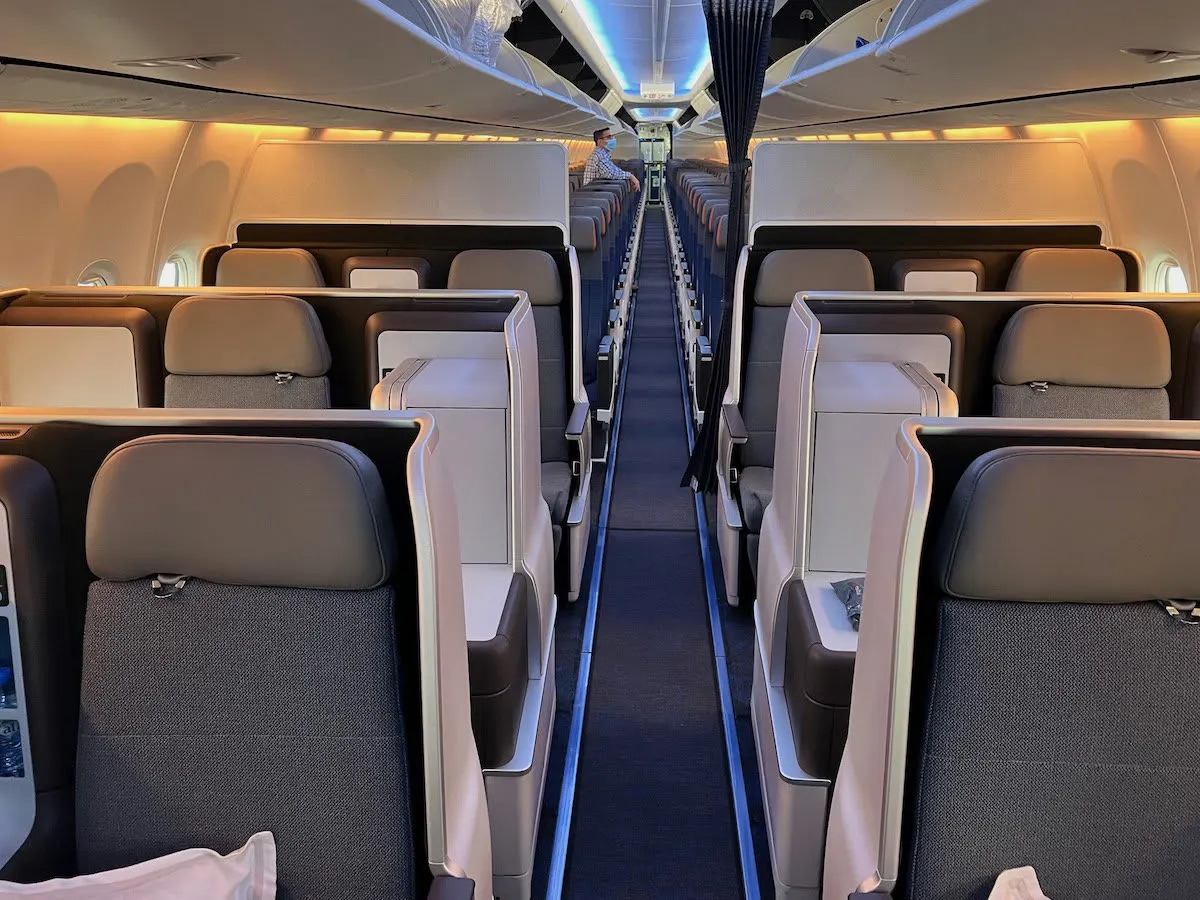
Flydubai Upgrading 21 Boeing 737 MAX 8s to Flat Bed Seats
Flydubai is retrofitting 21 Boeing 737 MAX 8 aircraft with lie-flat business class seats to standardize its premium product by late 2027.
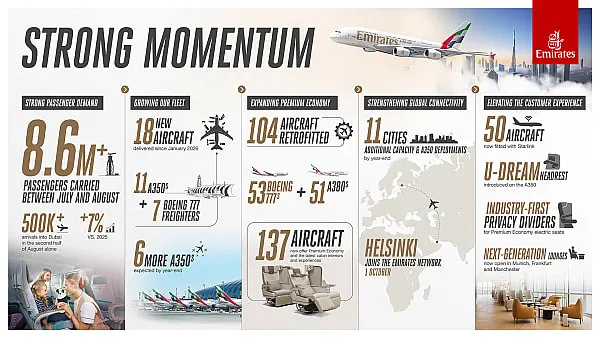
Emirates Winter Booking Momentum Grows Amid Fleet Expansion
Emirates carried 8.6 million passengers this summer and enters winter with strong demand as it accelerates fleet retrofits and network growth.
Air Arabia Consortium Gains AOC for New Dammam Budget Airline
A Saudi GACA-led consortium including Air Arabia has secured an AOC to launch a new budget airline based at Dammam's King Fahd International Airport.

Turkish Airlines Exits Luanda as Angola Hub Struggles
Turkish Airlines dropped its Luanda route as Angola's new airport struggles to attract traffic, handling only 756,028 passengers in 2025.

Red Sea Airlines Leases Two 737 MAX 8s for 2027 Expansion
Red Sea Airlines signed a lease for two Boeing 737 MAX 8 aircraft from SMBC Aviation Capital, arriving in 2027 to support its 14-aircraft fleet goal.
Avelo CEO Warns Airfares May Rise on Jet Fuel Price Spikes
Avelo Airlines CEO Andrew Levy warns that rising fuel costs may force fare increases as global jet fuel prices reach $171.01 per barrel.