BA 777-200ER Seat Map: Guide to 3-Class Cabins

Co-Founder & CEOAviation News Editor delivering trusted coverage across the global aviation industry.
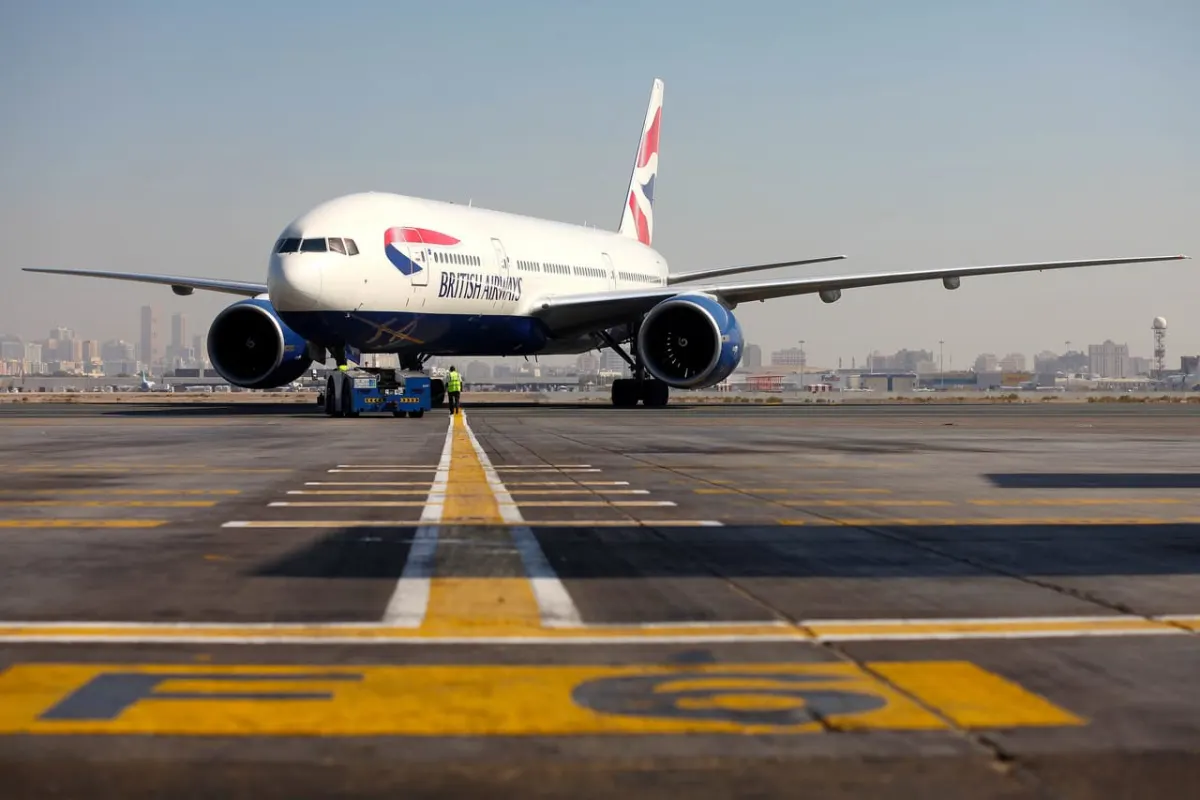
British Airways' 777-200ER offers three distinct cabins, with World Traveller Plus providing a 38-inch pitch and Club Suite upgrades ongoing.
Key Takeaways
- •BA's 777-200ER fleet includes 43 aircraft with varied cabin layouts.
- •New Club Suite offers 1-2-1 layout, replacing older 8-abreast seats.
- •World Traveller Plus provides 38 inches of pitch, 7 more than economy.
- •Gatwick-based 777s are older and slated for replacement by 2029.
The passenger experience on a British Airways Boeing 777-200ER can vary significantly, making an informed seat choice crucial. The airline operates a substantial fleet of 43 of these twin-engine widebody aircraft, which form a backbone of its long-haul network. Understanding the specific British Airways 777-200ER seat map is key, as the fleet is a mix of aircraft with legacy interiors and those retrofitted with the carrier's latest cabin products. This guide provides a detailed analysis of the three-class configurations to help passengers select the best Club World seats and navigate the options in premium economy and economy.
The core of the issue for travelers is the ongoing transition in the business class cabin. Depending on the specific airframe assigned to a route, passengers may find themselves in either the modern, all-aisle-access Club Suite or the older, high-density 'yin-yang' Club World seat. This inconsistency, particularly prevalent on routes served by the aging Gatwick-based fleet, underscores the importance of checking the Layout of Passenger Accommodations (LOPA) before selecting a seat. For those seeking an upgraded experience without the full business class price, the World Traveller Plus review consistently highlights its competitive seat pitch and comfort.
Cabin Configurations Explained
The Boeing 777-200ER (Extended Range) is a versatile aircraft with an operational range of 6,857 kilometers (4,261 miles) under typical British Airways payloads, according to Boeing's commercial specifications. British Airways configures these aircraft in several layouts, but the three-class version is common on many long-haul routes, featuring Club World (Business), World Traveller Plus (Premium Economy), and World Traveller (Economy).
Club World: A Tale of Two Cabins
The most significant variation is found in the Club World cabin. The legacy product, first introduced in 2000, features an 8-abreast (2-4-2) 'yin-yang' configuration. While revolutionary for its time as the first fully flat bed in business class, its lack of direct aisle access for all passengers and high density are now outdated compared to modern standards.
In contrast, the modernized aircraft feature the Club Suite. This product, based on the Collins Aerospace Super Diamond seat, is arranged in a spacious 4-abreast (1-2-1) configuration. Every suite has direct aisle access and a privacy door, aligning British Airways with current industry trends toward privacy standardization in business class. While the new suite is widely praised, some frequent flyer communities note that couples and families occasionally prefer the shared private space offered by the middle pair of seats in the older 2-4-2 layout.
World Traveller Plus: The Premium Economy Sweet Spot
British Airways has leaned into the industry trend of expanding premium economy. On the 777-200ER, the World Traveller Plus cabin is a popular choice. According to official British Airways seat maps, the cabin features a 38-inch seat pitch, which provides a crucial 7 inches of additional legroom compared to the standard economy cabin. This extra space, combined with a wider seat and enhanced service, makes it a strong value proposition for both leisure and business travelers.
World Traveller: Standard Economy
The World Traveller (economy) cabin on most 777-200ERs is typically arranged in a 3-4-3 configuration. Seat comfort is standard for long-haul economy, with seatback In-Flight Entertainment (IFE) systems provided by Panasonic Avionics. The experience is consistent across the sub-fleet, with less variation than found in the premium cabins.
Historical Context and Fleet Future
The 777-200ER has a long and reliable history with British Airways. The aircraft's resilience was demonstrated in September 2015 during the British Airways Flight 2276 incident, where a General Electric 90 (GE90) engine failed on takeoff in Las Vegas. The crew handled the emergency successfully, and the airframe was later repaired and returned to service, highlighting the aircraft's robust design. The fleet's maintenance and engineering standards are governed by regulations from the European Union Aviation Safety Agency (EASA) and continuous Airworthiness Directives (ADs) from the Federal Aviation Administration (FAA).
However, the fleet is aging, particularly the Gatwick-based aircraft used primarily on leisure routes, which have an average age exceeding 25 years. This reflects a broader industry trend of "sweating aging assets" to defer capital expenditure. British Airways is actively managing this transition with a two-pronged strategy: retrofitting Heathrow-based aircraft while planning for eventual replacement of the Gatwick fleet.
Technical Comparison: 777-200ER vs. 777-300ER
While both are part of the 777 family, the -200ER and -300ER variants in the British Airways fleet have distinct specifications.
| Metric | Boeing 777-200ER | Boeing 777-300ER |
|---|---|---|
| Length | 63.7m | 73.9m |
| Wingspan | 60.9m | 64.8m |
| Engines | GE90 / RR Trent 800 | GE90-115B1 |
| Passenger Capacity | Up to 336 | Up to 297 |
Note: The lower capacity on the larger 777-300ER reflects BA's four-class, premium-heavy layout on that aircraft, including a First cabin.
What Comes Next
British Airways has a clear timeline for the evolution of its 777-200ER fleet. The carrier expects to complete the Club Suite retrofits on its active Heathrow-based 777-200ERs by late 2026. Looking further ahead, the replacement of the older Gatwick-based 777-200ER fleet with new, more efficient Boeing 787-10s is expected to begin around 2029, subject to manufacturer delivery schedules.
Why This Matters
Navigating the British Airways 777-200ER fleet highlights a key challenge for legacy airlines: balancing fleet modernization with fiscal discipline. For passengers, it creates a product lottery where the in-flight experience can differ dramatically on the same route. For the industry, it demonstrates the long lifecycle of widebody aircraft and the critical role of cabin retrofits in maintaining a competitive premium product against airlines with newer fleets.
Frequently Asked Questions
- What are the main differences in British Airways' 777-200ER business class?
- British Airways' 777-200ER fleet features two different business class products. Older aircraft have the legacy Club World in a dense 2-4-2 'yin-yang' layout, while modernized aircraft feature the new Club Suite, which offers a more spacious 1-2-1 configuration with direct aisle access and privacy doors for every passenger.
- How much more legroom is in World Traveller Plus on the BA 777-200ER?
- The World Traveller Plus (premium economy) cabin on a British Airways 777-200ER offers a seat pitch of 38 inches. This provides 7 inches more legroom than the standard World Traveller (economy) cabin.
- When will British Airways retire its older 777-200ERs?
- British Airways is expected to begin replacing its oldest 777-200ERs, primarily those based at London Gatwick, around 2029. These aircraft are slated to be replaced by new, more fuel-efficient Boeing 787-10s.
For in-depth airline coverage and commercial aviation news, omniflights.com delivers timely industry insights. Discover how innovation is shaping aviation through aircraft systems, avionics, and digital tools at omniflights.com/technology.
Written by Hardik Vishwakarma
Co-Founder & Aviation News Editor leading initiatives that improve trust and visibility across the global aviation industry. Covers airlines, airports, safety, and emerging technology.
Visit ProfileYou Might Also Like
Discover more aviation news based on similar topics
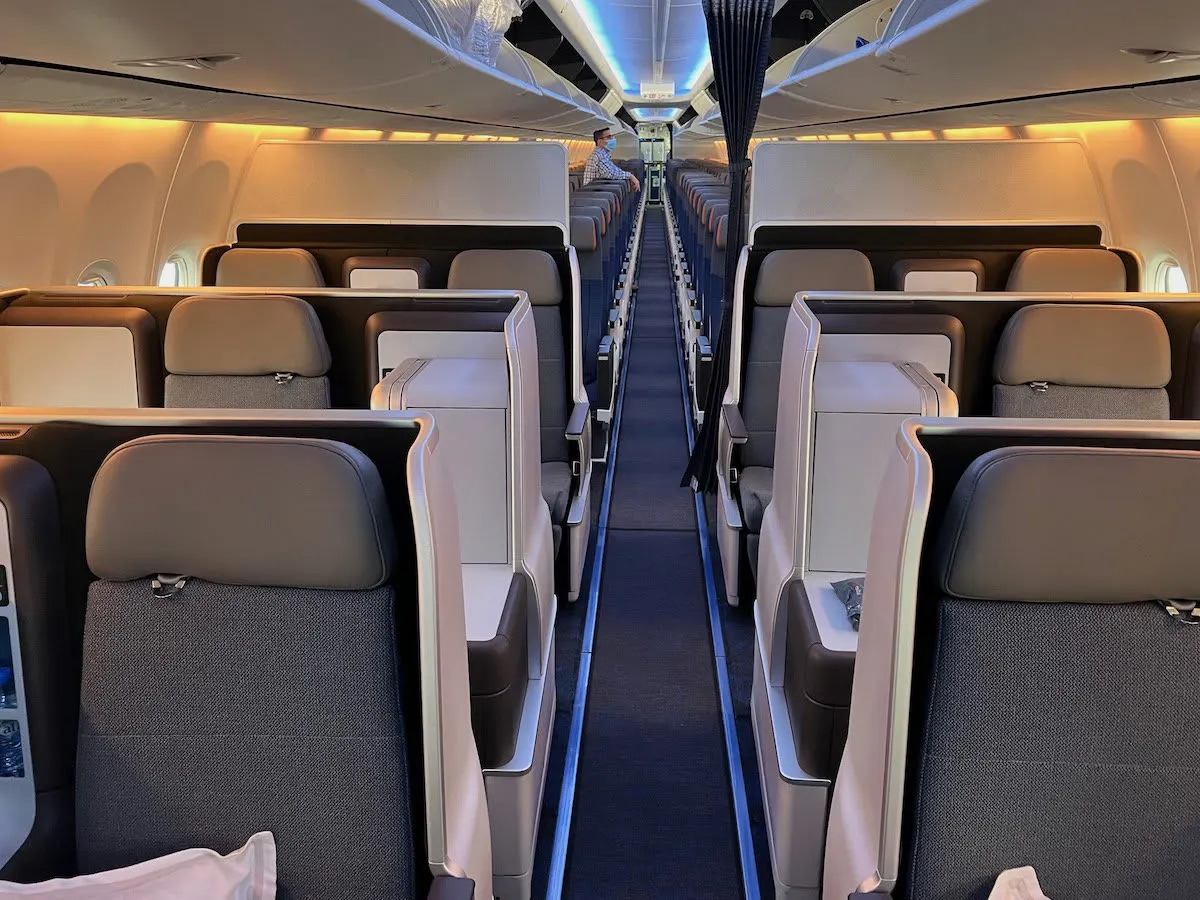
Flydubai Upgrading 21 Boeing 737 MAX 8s to Flat Bed Seats
Flydubai is retrofitting 21 Boeing 737 MAX 8 aircraft with lie-flat business class seats to standardize its premium product by late 2027.
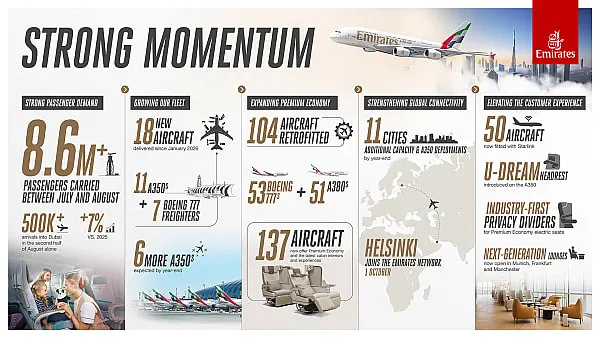
Emirates Winter Booking Momentum Grows Amid Fleet Expansion
Emirates carried 8.6 million passengers this summer and enters winter with strong demand as it accelerates fleet retrofits and network growth.
Air Arabia Consortium Gains AOC for New Dammam Budget Airline
A Saudi GACA-led consortium including Air Arabia has secured an AOC to launch a new budget airline based at Dammam's King Fahd International Airport.

Turkish Airlines Exits Luanda as Angola Hub Struggles
Turkish Airlines dropped its Luanda route as Angola's new airport struggles to attract traffic, handling only 756,028 passengers in 2025.

Red Sea Airlines Leases Two 737 MAX 8s for 2027 Expansion
Red Sea Airlines signed a lease for two Boeing 737 MAX 8 aircraft from SMBC Aviation Capital, arriving in 2027 to support its 14-aircraft fleet goal.

Avelo CEO Warns Airfares May Rise on Jet Fuel Price Spikes
Avelo Airlines CEO Andrew Levy warns that rising fuel costs may force fare increases as global jet fuel prices reach $171.01 per barrel.