Delta A321neo Flat Bed Fleet Delayed to 2028 By FAA

Co-Founder & CEOAviation News Editor delivering trusted coverage across the global aviation industry.
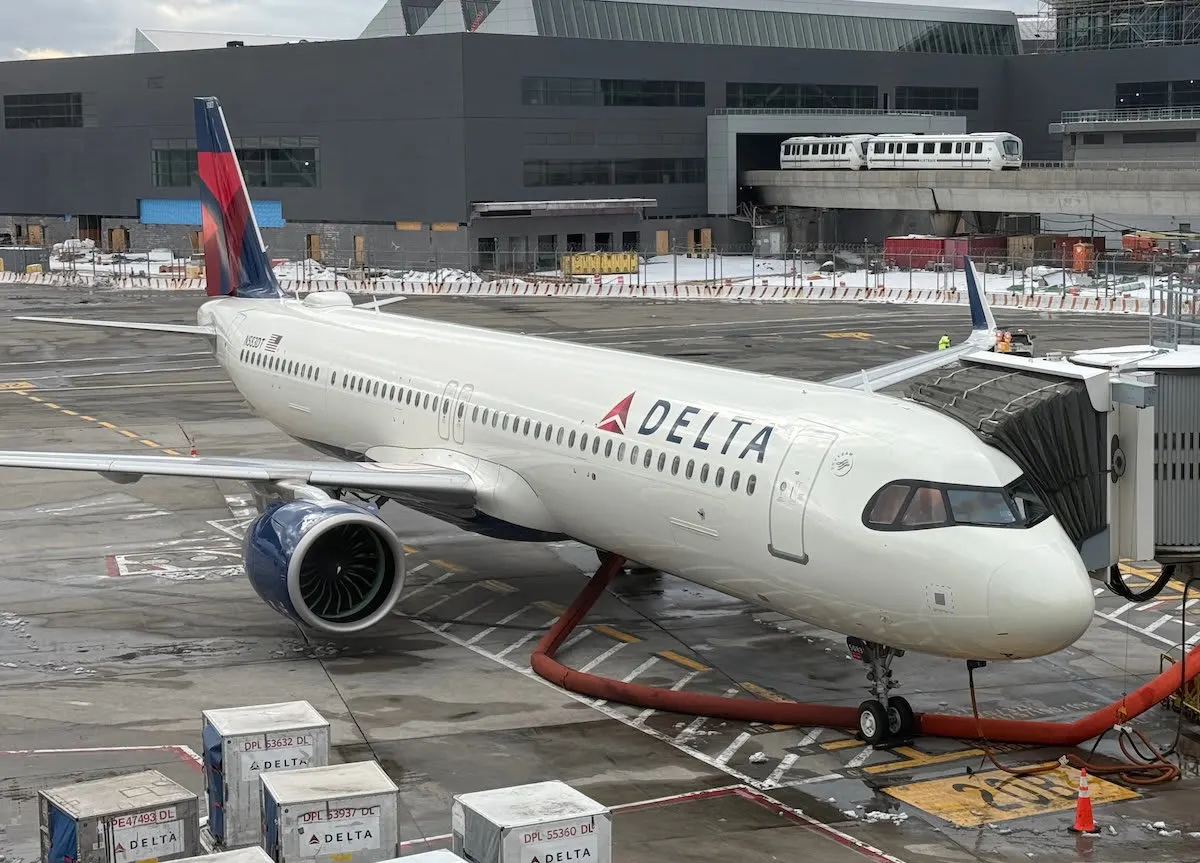
Delta's premium A321neo fleet with lie-flat beds is delayed until at least 2028 due to FAA certification challenges for its new Safran Vue seats.
Key Takeaways
- •Delta's premium A321neo fleet with flat beds is delayed until 2028.
- •FAA certification issues with Safran Vue seats are the primary cause.
- •Aircraft will fly with 44 temporary first-class recliners instead.
Delta Air Lines' plan to introduce a premium-heavy subfleet of Airbus A321neo aircraft with lie-flat beds has been significantly delayed, with the new configuration now not expected to enter service until 2028 or later. The Delta A321neo flat beds are part of a strategic push to enhance the carrier's transcontinental fleet, but the ambitious interior has encountered a multi-year A321neo certification delay. As a temporary solution, the airline is deploying these aircraft with a larger-than-standard domestic first-class cabin featuring 44 first class seats.
The delay stems primarily from challenges in securing certification from the FAA (Federal Aviation Administration) for the new Safran Vue lie-flat business class suites. These seats, which are central to Delta's premium product strategy, are subject to stringent safety standards, including Head Injury Criterion and structural integrity tests. The complexity of modern lie-flat suites, often featuring privacy doors and integrated electronics, has created significant bottlenecks in both manufacturing and regulatory approval across the industry.
To avoid grounding the new airframes, Delta has opted for a pragmatic interim solution. According to an official airline announcement, the affected A321neos will enter service with a temporary layout of 164 seats, including an unusually large cabin of 44 domestic first-class recliners. This contrasts sharply with the originally planned premium layout of 148 seats, which was designed to feature 16 Delta One lie-flat suites and 12 premium economy seats. The move provides a short-term benefit for elite Medallion members, who will find a significant increase in upgrade opportunities on routes operated by these aircraft.
Industry Context and Competition
Delta's certification challenges are symptomatic of two broader industry trends: the rise of premium-heavy narrowbody configurations and persistent interior supply chain bottlenecks. Airlines are increasingly using efficient single-aisle jets like the Airbus A321 New Engine Option (A321neo) for lucrative coast-to-coast routes. This puts Delta in direct competition with products like JetBlue's popular Mint suites and United's forthcoming A321neo Coastliner, which is expected to feature Polaris business class suites.
The delay gives these competitors a temporary but meaningful advantage. Seat manufacturer Safran has faced similar challenges before. The current situation echoes the 2015-2016 delays caused by Zodiac Aerospace (now part of Safran), which severely impacted Boeing 787 deliveries for American Airlines and United due to failures in delivering certified business class seats on time. This historical precedent underscores the chronic vulnerability of airline fleet strategies to the performance of third-party interior suppliers.
While JetBlue also faced tight timelines for the certification of its A321neo Mint suites in 2021, its successful launch highlights the high regulatory bar for installing these complex products on narrowbody aircraft. For Safran, the ongoing issues with the Vue seat represent both reputational and financial pressure as it works to meet its commitments to a key customer.
Delta A321neo: Temporary vs. Original Layout
The operational shift required by the delay is significant, altering both capacity and passenger experience. The A321neo seat maps illustrate the difference between the interim and final configurations.
| Metric | Temporary (164 seats) | Original (148 seats) |
|---|---|---|
| Total Capacity | 164 seats | 148 seats |
| First Class | 44 recliners | 16 lie-flat suites |
| Premium Economy | 0 seats | 12 seats |
What Comes Next
The timeline for resolving the issue remains extended. The FAA is expected to complete certification for the Safran Vue lie-flat seats for Delta's A321neo sometime between 2027 and 2028. Following regulatory approval, Delta Air Lines will begin the complex process of retrofitting the aircraft from their temporary 44-seat first-class configuration to the intended lie-flat Delta One layout. This process is expected to begin in 2028 and will likely take several months or longer to complete across the subfleet.
In a statement regarding the broader A321neo program, Kristen Bojko, Delta's Vice President of Fleet, noted the aircraft delivers "industry-leading efficiency while offering the premium experience our customers value," signaling confidence in the aircraft's long-term role despite the current setback with the premium cabin.
Why This Matters
This multi-year delay highlights the fragility of the modern aviation supply chain, particularly in the highly customized and heavily regulated aircraft interiors sector. It demonstrates how certification hurdles can fundamentally alter a carrier's competitive strategy on key routes, even for a global airline like Delta. While a temporary boon for frequent flyers seeking upgrades, the delay postpones a key product intended to defend and grow market share in the lucrative U.S. premium transcontinental market.
Frequently Asked Questions
- Why are Delta's new A321neo flat-bed seats delayed?
- The delay is caused by certification challenges with the Federal Aviation Administration (FAA) for the new Safran Vue lie-flat seats. These complex seats require rigorous testing for safety and structural integrity, which has pushed the entry-into-service timeline to 2028 or later.
- What configuration will Delta's delayed A321neos fly with temporarily?
- Instead of the planned 16 lie-flat suites, the affected Airbus A321neo aircraft will temporarily operate with a much larger domestic first-class cabin featuring 44 recliner seats, increasing the total seat count from 148 to 164.
For global airline trends and commercial aviation news, turn to omniflights.com. Follow aviation sustainability efforts, emissions research, and green initiatives in the Environmental section at omniflights.com/environmental.
Written by Hardik Vishwakarma
Co-Founder & Aviation News Editor leading initiatives that improve trust and visibility across the global aviation industry. Covers airlines, airports, safety, and emerging technology.
Visit ProfileYou Might Also Like
Discover more aviation news based on similar topics
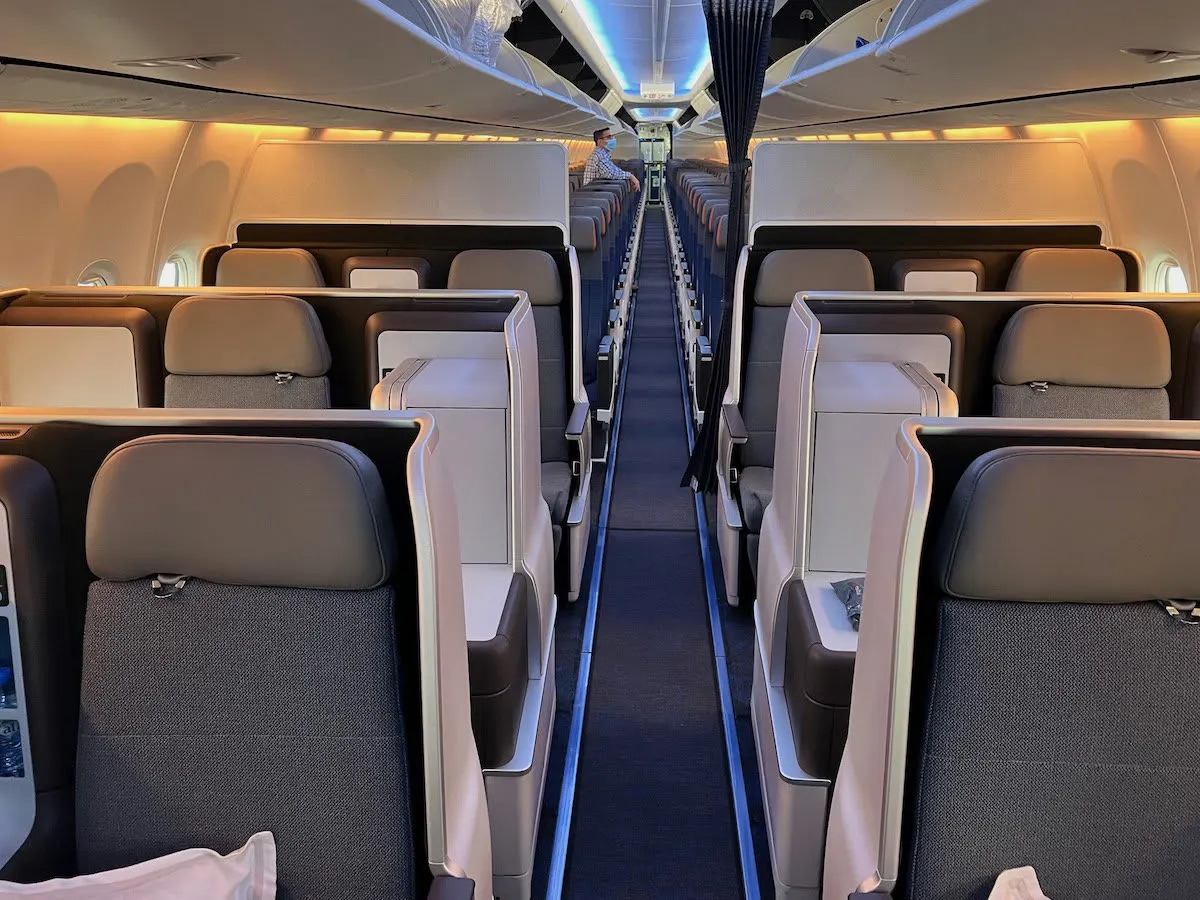
Flydubai Upgrading 21 Boeing 737 MAX 8s to Flat Bed Seats
Flydubai is retrofitting 21 Boeing 737 MAX 8 aircraft with lie-flat business class seats to standardize its premium product by late 2027.
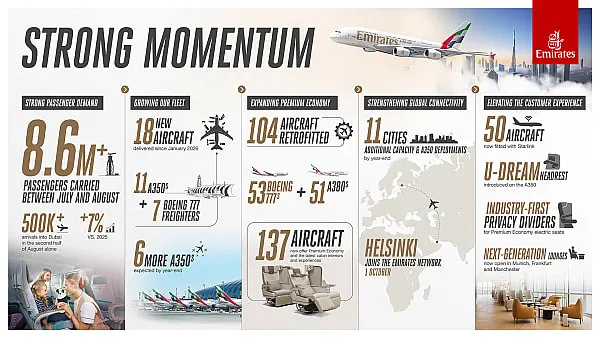
Emirates Winter Booking Momentum Grows Amid Fleet Expansion
Emirates carried 8.6 million passengers this summer and enters winter with strong demand as it accelerates fleet retrofits and network growth.

Air Arabia Consortium Gains AOC for New Dammam Budget Airline
A Saudi GACA-led consortium including Air Arabia has secured an AOC to launch a new budget airline based at Dammam's King Fahd International Airport.

Turkish Airlines Exits Luanda as Angola Hub Struggles
Turkish Airlines dropped its Luanda route as Angola's new airport struggles to attract traffic, handling only 756,028 passengers in 2025.

Red Sea Airlines Leases Two 737 MAX 8s for 2027 Expansion
Red Sea Airlines signed a lease for two Boeing 737 MAX 8 aircraft from SMBC Aviation Capital, arriving in 2027 to support its 14-aircraft fleet goal.
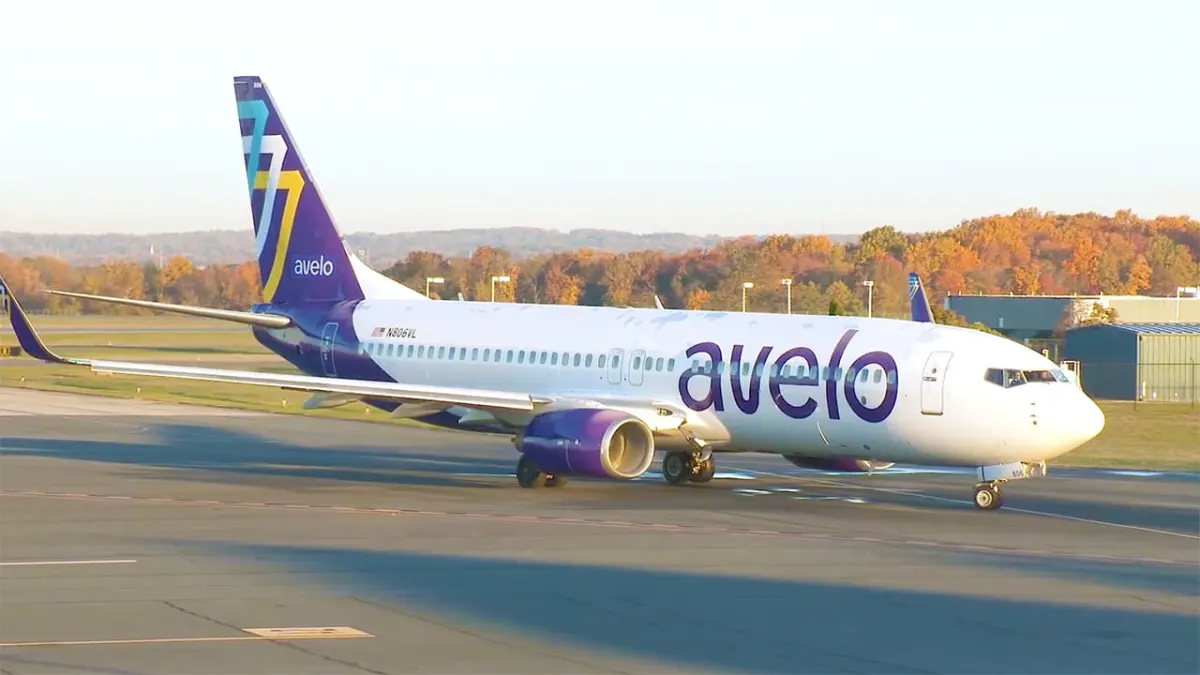
Avelo CEO Warns Airfares May Rise on Jet Fuel Price Spikes
Avelo Airlines CEO Andrew Levy warns that rising fuel costs may force fare increases as global jet fuel prices reach $171.01 per barrel.