Indian Airlines Urge Government to Lift Fare Caps Amid Iran Crisis

Co-Founder & CEOAviation News Editor delivering trusted coverage across the global aviation industry.
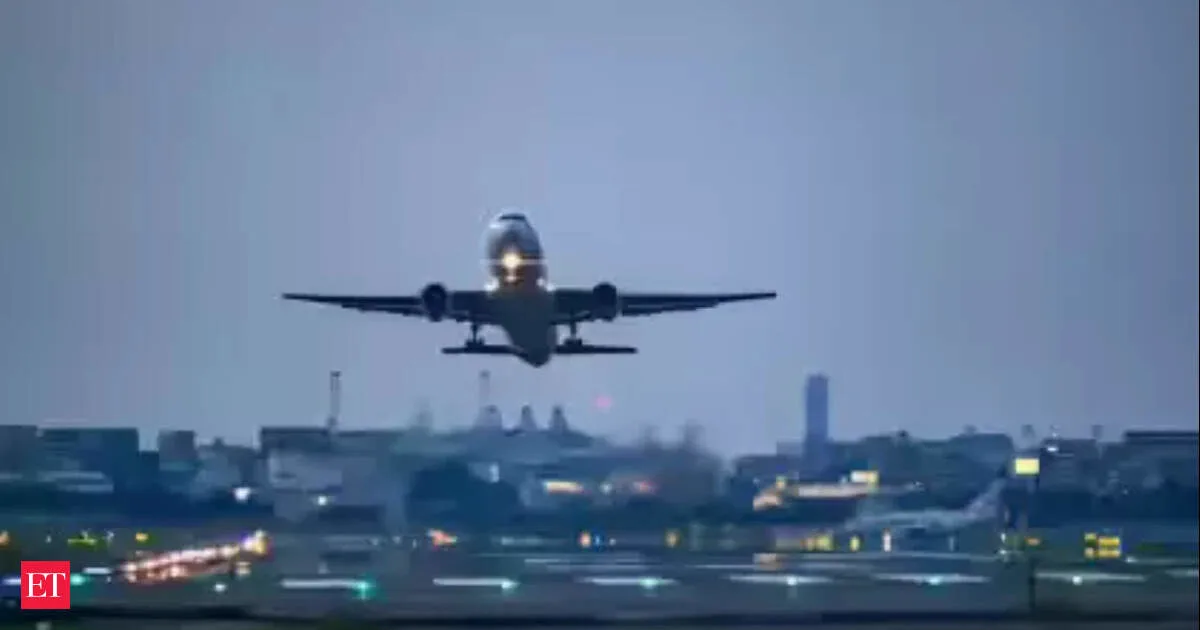
The Federation of Indian Airlines urged the government to remove fare caps, warning of route cuts due to rising fuel costs from the Iran crisis.
Key Takeaways
- •Warns of potential route cuts and delayed fleet expansion due to severe financial strain.
- •Cites domestic fare caps and soaring jet fuel costs from the Iran crisis as primary pressures.
- •Lobbies for removal of the ₹18,000 fare cap imposed by the government in December 2025.
The Federation of Indian Airlines (FIA), an industry body representing major carriers including IndiGo, Air India, and SpiceJet, has formally warned the Indian government of potential route withdrawals and delays to fleet expansion if domestic fare caps are not removed. In a letter dated March 12, 2026, the FIA detailed the severe financial strain on airlines, which are simultaneously grappling with government-imposed price ceilings and soaring operational costs driven by geopolitical instability in the Middle East.
The airlines' financial distress stems from a combination of regulatory pressure and external shocks. The primary issue is the Emergency Distance-Based Fare Caps imposed by the Ministry of Civil Aviation (MoCA) on December 6, 2025, following operational disruptions. These regulations restrict airlines' ability to use dynamic pricing to offset rising expenses. This situation was sharply exacerbated by the late-February 2026 Iran conflict, which forced costly and lengthy rerouting of international flights and caused a spike in the price of Aviation Turbine Fuel (ATF).
Compounding Financial Pressures
The most acute operational challenge is the surge in fuel costs. According to HSBC Global Research, a mere $1 per barrel increase in jet fuel prices adds approximately ₹3 billion to IndiGo's annual fuel bill. The ongoing conflict has forced flights between India and the West to avoid both Iranian and Pakistani airspace, adding hours to flight times and significantly increasing fuel consumption. The price of ATF in India is already high due to a complex tax structure, which includes an 11% federal tax and additional state levies reaching as high as 29%.
This airspace crisis has had a direct operational impact. According to flight tracking data from Aviation Jeta, Indian carriers cancelled over 1,500 flights in the first week of March 2026 alone due to airspace closures in the Middle East. The disruption has also caused international ticket prices to surge, with spot fares on routes like New York (JFK) to Delhi (DEL) jumping over 100% from their typical range to between ₹1.34-2.25 lakh.
Regulatory Constraints
While costs have escalated, revenue potential on domestic routes remains artificially limited. The MoCA's December 2025 directive set a maximum ticket price of ₹18,000 for flights longer than 1,500 km. The FIA argues that this cap, intended to protect consumers during capacity shortages, now prevents airlines from covering their significantly higher operating expenses. The Federation's letter to the government stated, "If the current situation continues, airlines will face severe financial losses, pushing several operators closer to unsustainable financial conditions and potentially threatening their continued viability."
Further complicating matters is a recent 60% Free Seat Allocation Directive from the MoCA, enforced by the Directorate General of Civil Aviation (DGCA). This rule mandates that airlines must offer 60% of their seats without additional selection fees, a move the FIA contends will force an increase in base airfares to compensate for lost ancillary revenue. As of January 2026, DGCA Domestic Traffic Reports show that IndiGo and Air India controlled 63.6% and 26.5% of the Indian domestic market, respectively, making the impact of these regulations widespread.
Historical Precedents
This is not the first time Indian carriers have faced such a dual crisis of regulatory caps and external cost shocks. During the 2019 Pakistan Airspace Closure, Indian airlines incurred massive operational losses due to extensive rerouting; Air India alone lost over ₹430 crore. That event directly mirrors the current operational strain from avoiding restricted airspace.
Furthermore, the Indian government has a history of using fare controls during crises. From May 2020 to August 2022, the MoCA imposed domestic fare bands in response to the COVID-19 pandemic. The government's stated goal was to prevent predatory pricing while protecting financially weaker airlines. The eventual removal of those caps after 27 months, following sustained industry pressure, demonstrates a precedent for restoring dynamic pricing once crisis conditions are perceived to have eased.
What Comes Next
The immediate focus is on the government's response to the FIA's plea. A decision from the MoCA on whether to remove or adjust the fare caps is expected in the second quarter of 2026. Airlines are also lobbying for a reduction in taxes on ATF to provide cost relief. From a consumer protection standpoint, however, bodies like the AirSewa grievance platform maintain that fare caps are essential to prevent airlines from charging exorbitant prices, creating a difficult policy decision for the government.
Why This Matters
This conflict highlights the inherent tension between regulatory intervention aimed at consumer protection and the operational viability of airlines in a volatile market. The Indian government's decision will serve as a critical test of its aviation policy, balancing the need for affordable travel with the financial health of carriers that are central to the nation's economic connectivity. The outcome will directly impact route availability, ticket prices, and the ambitious fleet expansion plans of India's largest airlines.
Get breaking commercial aviation news and expert airline analysis at omniflights.com. From aircraft production to supply chains, commercial aviation manufacturing news is covered at omniflights.com/manufacturing.
Written by Hardik Vishwakarma
Co-Founder & Aviation News Editor leading initiatives that improve trust and visibility across the global aviation industry. Covers airlines, airports, safety, and emerging technology.
Visit ProfileYou Might Also Like
Discover more aviation news based on similar topics

FAA Faces $3.5 Billion Shortfall in ATC Modernization
FAA Administrator Bryan Bedford reported a $3.5 billion shortfall for the Brand New Air Traffic Control System, totaling $16 billion for Phase One.
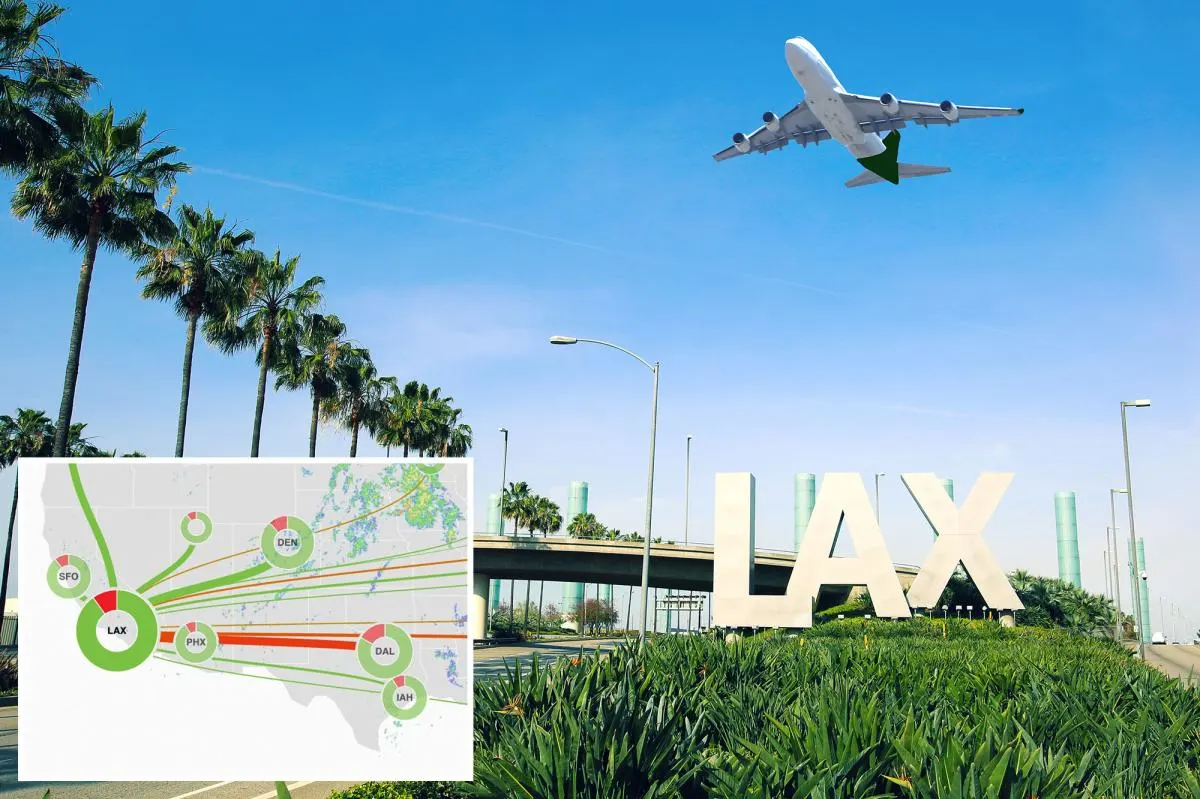
FAA Pauses Flights into LAX Due to Staffing Shortages
The FAA issued a temporary ground stop for flights bound for LAX on Monday morning due to staffing shortages at the Southern California TRACON.

FAA Proposes Ending Overland Supersonic Flight Ban
The FAA has proposed a new performance-based noise standard to replace the 1973 ban on overland supersonic flight, enabling future commercial travel.

DOT Rule Exempts Airlines From Cyberattack Delay Costs
Starting October 19, 2026, the DOT will allow airlines to withhold meal and hotel vouchers for delays caused by cyberattacks and nine other events.

Wizz Air, Ryanair Demand NATS Reform After ATC Failure
Wizz Air and Ryanair are calling for urgent NATS reform after a September 8 system failure caused over 1,000 flight cancellations across the UK.
US Treasury Iran Sanctions Target 27 Airlines, Mahan Air
The U.S. Treasury sanctioned 36 entities, including 27 Iranian airlines, to disrupt illicit procurement networks used by the Iranian government.