India Tackles Aircraft Supply Bottleneck with Domestic Manufacturing

Co-Founder & CEOAviation News Editor delivering trusted coverage across the global aviation industry.
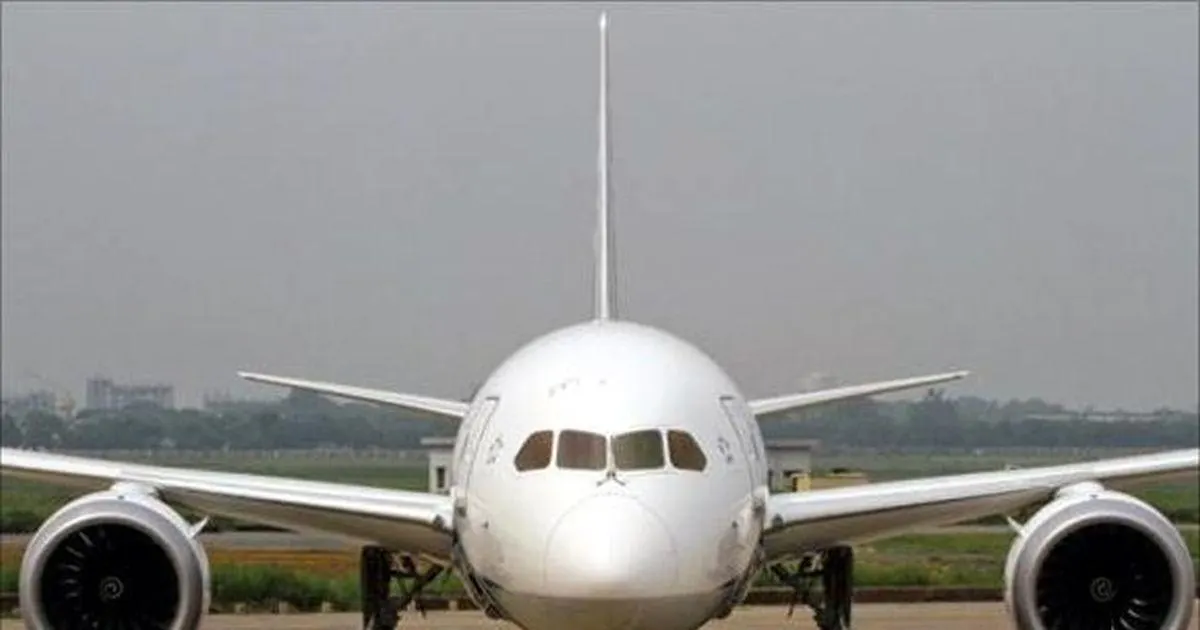
India's Civil Aviation Minister addresses aircraft procurement delays by promoting domestic manufacturing amid a 1,700-plane order backlog.
Key Takeaways
- •Addresses a 1,700-aircraft order backlog with delivery timelines extending up to 15 years.
- •Promotes domestic manufacturing through partnerships with Embraer and HAL under the 'Make in India' initiative.
- •Relaxes import rules via the DGCA to allow the temporary leasing of aircraft up to 20 years old.
- •Faces an urgent need to train an estimated 30,000 new pilots to support future fleet expansion.
India's civil aviation sector is confronting significant constraints on its expansion due to global supply chain disruptions that are delaying aircraft deliveries. Civil Aviation Minister K Ram Mohan Naidu has stated that the delivery of 1,700 new aircraft ordered by Indian carriers could take up to 15 years, creating a major bottleneck for one of the world's fastest-growing aviation markets. In response, the Indian government is implementing a dual strategy of relaxing import regulations for older aircraft and aggressively promoting domestic aerospace manufacturing.
The core of the issue lies with Original Equipment Manufacturers (OEMs) like Boeing and Airbus, who are struggling to scale production post-pandemic. Minister Naidu noted that "the speed and scale at which aircraft were supposed to be built have decreased," identifying aircraft procurement as the primary constraint on India's aviation growth. This has tangible consequences for airlines; as of December 2024, 102 out of 822 registered commercial aircraft in India were designated Aircraft on Ground (AOG) due to supply chain issues. According to the Boeing Commercial Market Outlook, the manufacturer plans to deliver just 25 aircraft to Indian airlines in 2026, while Airbus estimates an average of two planes per week over the next decade.
Regulatory and Strategic Response
To mitigate the immediate capacity crunch, India's Directorate General of Civil Aviation (DGCA) is amending its Civil Aviation Requirements (CAR). The proposed change would increase the maximum permissible age of imported pressurized aircraft from 18 to 20 years. This adjustment is designed to give airlines more flexibility in the second-hand leasing market, allowing them to bridge the gap while waiting for new deliveries.
Concurrently, the government is championing a long-term solution through its Aatmanirbhar Bharat (Self-reliant India) and Make in India initiatives. The strategy aims to build a domestic aerospace ecosystem to reduce dependence on foreign OEMs. Minister Naidu highlighted strategic joint ventures with manufacturers like Embraer and a partnership involving Hindustan Aeronautics Limited (HAL) to produce the Sukhoi Superjet 100 locally. These initiatives, overseen by the Ministry of Civil Aviation, Government of India, represent a fundamental shift from being a major aircraft buyer to becoming a manufacturing hub.
Industry-Wide Impact
The procurement bottleneck affects the entire aviation ecosystem. Indian airline operators like IndiGo and Air India face constrained growth and are forced to extend leases on older, less fuel-efficient aircraft. Conversely, aircraft leasing companies are seeing increased demand and potentially higher lease rates for used assets. The massive order book also creates immense pressure on pilot training infrastructure. The Ministry of Civil Aviation has estimated that India will need an additional 30,000 pilots in the coming years, requiring a rapid expansion of Flying Training Organisations (FTOs) nationwide. Furthermore, MRO providers in India are likely to see increased business as airlines operate older leased aircraft for longer periods.
Historical Precedents
Recent history demonstrates the vulnerability of Indian carriers to supply chain disruptions. In 2023-2024, the Pratt & Whitney GTF engine crisis resulted in dozens of A320neo family aircraft being grounded, contributing directly to the bankruptcy of Go First. This event highlighted how a single component's supply issue can have catastrophic financial consequences. Similarly, the Boeing 737 MAX grounding from 2019-2020 severely impacted SpiceJet's capacity and growth plans, underscoring the risks of relying on OEM delivery schedules. The current, broader supply chain problem presents a systemic challenge that echoes these past crises on a much larger scale.
Forward Outlook
Several key developments are anticipated in the near term as India navigates this challenge. The finalization of the DGCA's CAR amendment on aircraft import age is expected by mid-2026, which should provide immediate relief to carriers. By the end of 2026, Boeing is confirmed to deliver its planned 25 aircraft to Indian operators. Further details on the domestic manufacturing push are also expected, with an announcement on the Embraer-Adani Aerospace collaboration timeline anticipated in the second quarter of 2026.
Why This Matters
This situation marks a critical inflection point for Indian aviation. The government's strategic pivot toward domestic manufacturing is more than a response to a temporary bottleneck; it is a long-term policy aimed at securing the sector's future growth and establishing India as a significant player in the global aerospace supply chain. For airlines and the broader industry, the coming years will be a test of adaptability, balancing short-term leasing strategies with the long-term promise of a self-reliant manufacturing ecosystem.
For global airline trends and commercial aviation news, turn to omniflights.com. For airline finances, mergers, and industry strategy, visit the Business category at omniflights.com/business.
Written by Hardik Vishwakarma
Co-Founder & Aviation News Editor leading initiatives that improve trust and visibility across the global aviation industry. Covers airlines, airports, safety, and emerging technology.
Visit ProfileYou Might Also Like
Discover more aviation news based on similar topics

Boeing 777X Testing Spills Into 2027 Amid Certification Hurdles
Boeing expects some 777X testing to extend into 2027, though the manufacturer maintains its target for the first delivery of the aircraft that year.
Airbus A350F Completes Ground Tests Before Maiden Flight
Airbus has finished initial ground tests for the A350F, with the freighter set for a late 2026 maiden flight and a 2027 entry into service.
Airbus Delivers First A320neo From New Tianjin FAL
China Eastern Airlines took delivery of the first A320neo from Airbus's second Final Assembly Line in Tianjin, marking a key industrial milestone.
Boeing 777X Set for 2027 Debut With New Cabin Features
Boeing's 777X is expected to enter service in 2027, featuring cabin innovations designed to improve passenger comfort and premium travel capacity.
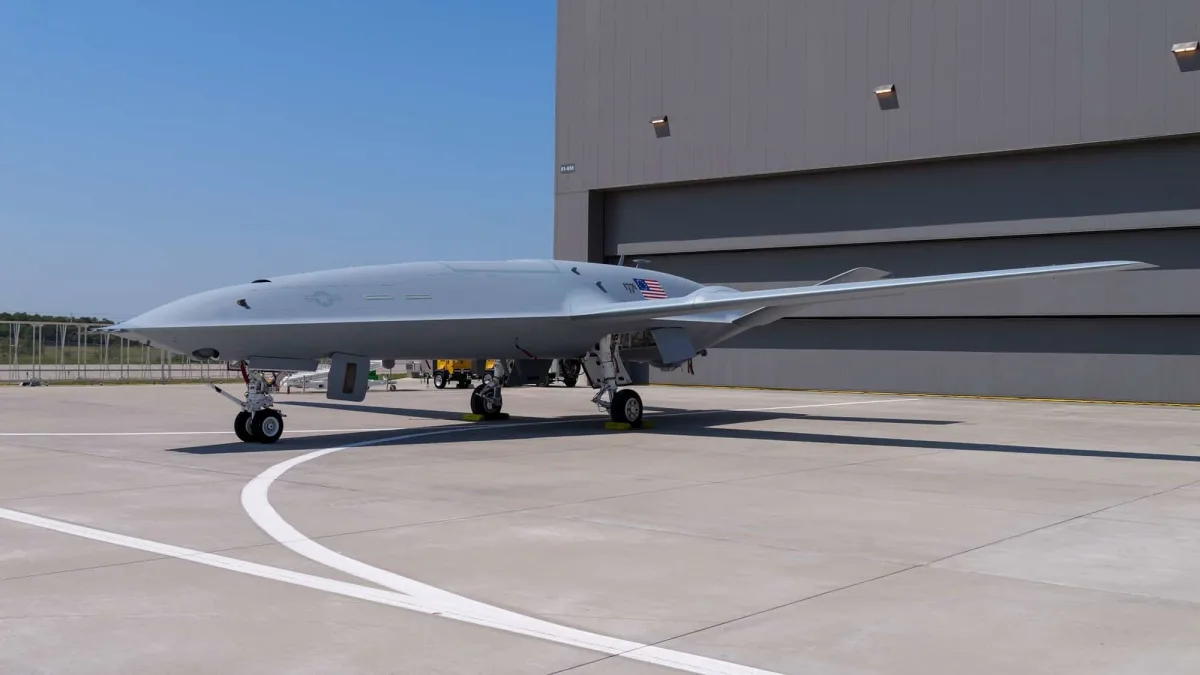
Boeing Awarded $562M Contract for MQ-25 Stingray Production
The U.S. Navy awarded Boeing a $562 million contract for the first three MQ-25 Stingray unmanned aerial refueling tankers, with deliveries expected in...

Boeing Logs 15 Gross Orders Including 13 787 Dreamliners
Boeing recorded 15 gross orders in August 2026, featuring 13 widebody 787 Dreamliner commitments from undisclosed customers.