India, EU Sign Aviation Pact; Tata-Airbus H125 Line Opens in April

Co-Founder & CEOAviation News Editor delivering trusted coverage across the global aviation industry.

India and the EU signed an aviation production pact, enabling the new Tata-Airbus H125 helicopter assembly line in Karnataka to become operational in...
Key Takeaways
- •Harmonizes Indian manufacturing with EASA standards via new working arrangement.
- •Targets April 2026 for Tata-Airbus H125 helicopter assembly line to become operational.
- •Schedules first 'Made in India' H125 delivery for early 2027.
- •Establishes India's first private-sector helicopter final assembly line.
India and the European Union have formalized a working arrangement designed to bolster industrial aviation production, directly facilitating the operational launch of a new Tata-Airbus helicopter final assembly line. The pact, signed between India's Directorate General of Civil Aviation (DGCA) and the European Union Aviation Safety Agency (EASA) on March 23, 2026, aligns India's manufacturing ecosystem with stringent European regulatory standards.
This agreement provides the regulatory framework for the Tata-Airbus Final Assembly Line (FAL) for H125 helicopters in Vemagal, Karnataka. The facility, inaugurated in February 2026, is now scheduled to become fully operational in April 2026. This development marks a significant milestone for India's 'Make in India' initiative, creating a pathway for aerospace products manufactured in the country to gain wider acceptance in the global market. The collaboration aims to integrate Indian manufacturing into the global aerospace supply chain by ensuring compliance with EASA's internationally recognized safety and quality benchmarks.
Harmonizing Standards for Global Reach
The core of the new partnership is the 'Working Arrangement on Industrial Aviation Production'. This regulatory agreement harmonizes Indian manufacturing processes with European certification standards. By aligning with EASA protocols, components and aircraft produced in India under this framework can be more easily certified for use in Europe and other markets that recognize EASA standards. This removes a significant potential barrier to export and enhances the commercial viability of India-based aerospace manufacturing ventures.
For Tata Advanced Systems Limited (TASL), the aerospace and defense arm of the Tata Group, this arrangement provides the assurance needed to proceed with sophisticated manufacturing. The pact is crucial for the H125 program, as it ensures that helicopters assembled at the Vemagal facility will meet the same quality and safety standards as those produced in Europe. This stakeholder gains the capability to manufacture, integrate, and test advanced rotary-wing platforms, significantly elevating its position in the global aerospace industry.
The Vemagal Facility: A New Chapter
The Vemagal plant is India's first private-sector helicopter Final Assembly Line (FAL). According to a Tata Advanced Systems press release, the first 'Made in India' Airbus H125 helicopter is scheduled for delivery in early 2027. Airbus has outlined a clear production roadmap, with plans to ramp up output at the Karnataka facility to 10 H125 helicopters annually by 2029, as stated by Airbus Helicopters CEO Bruno Even.
Mr. Even emphasized the strategic importance of the project, noting that the H125 helicopters will be a "key enabler to boost this civil helicopter market in India" and serve as a "tool for nation building." Echoing this sentiment, N Chandrasekaran, Chairman of Tata Sons, described the FAL's inauguration as a "defining step towards India's civil and defence sovereignty when it comes to vertical lift capabilities." The H125, whose predecessor AS350 Écureuil family has accumulated over 40 million flight hours worldwide, is known for its high-altitude performance, including a documented landing on Mount Everest.
Precedent and Competition
This helicopter facility builds on a previous successful collaboration between the two industrial giants. The Tata-Airbus partnership for the C295 military transport aircraft, which established India's first private-sector final assembly line for military aircraft in Vadodara, Gujarat, served as a blueprint. That project, with its foundation laid in October 2022, demonstrated the viability of complex private-sector aerospace manufacturing in India and paved the way for expansion into the rotary-wing segment.
The entry of TASL into helicopter production introduces new competition for the state-owned Hindustan Aeronautics Limited (HAL). HAL has historically dominated India's light utility helicopter market with its Chetak (based on the Alouette III) and Cheetah models. The introduction of the modern, locally-produced H125 presents a significant challenge to this incumbency and could also provide the Indian Armed Forces with a new option for high-altitude logistics support.
Airbus H125 vs HAL Chetak
| Metric | Airbus H125 | HAL Chetak (Alouette III) |
|---|---|---|
| Engine | Safran Arriel 2D | Turbomeca Artouste III |
| Capacity | 1 pilot + 5/6 passengers | 1 pilot + 6 passengers |
| High-Altitude Performance | Everest summit landing capable | limited high-altitude logistics |
Technical Analysis
The DGCA-EASA agreement and the subsequent operational launch of the H125 FAL represent a structural shift in India's aerospace and defense manufacturing landscape. This development accelerates the move away from reliance on state-owned enterprises towards a model that embraces private sector expertise and global partnerships. By leveraging the 'Make in India' policy framework, Tata and Airbus are creating a precedent that could attract further foreign direct investment in high-technology manufacturing. The harmonization of regulatory standards is the critical enabler, effectively de-risking the venture for Airbus and ensuring a global market for the India-produced helicopters. This trajectory, following the C295 transport aircraft program, confirms a deepening strategic alignment between Tata and Airbus, positioning them as central players in India's ambition to become a self-reliant and export-oriented aerospace hub.
What Comes Next
The timeline for the new facility is clearly defined, with several key milestones approaching.
- April 2026: The Tata-Airbus H125 Final Assembly Line is expected to become operational, according to statements from both companies.
- Early 2027: The first 'Made in India' H125 helicopter is confirmed for delivery, marking a major achievement for the program.
- 2029: Production is expected to ramp up to a rate of 10 helicopters per year, establishing a steady manufacturing rhythm.
Why This Matters
This agreement is more than a manufacturing deal; it signals India's credible entry into the global aerospace supply chain for complex platforms like helicopters. It strengthens strategic and industrial ties between India and the European Union, while simultaneously fostering competition and modernization within India's domestic aviation market. For the global aerospace industry, it establishes a new, high-potential manufacturing hub that complies with the highest international safety standards.
omniflights.com is your source for accurate commercial aviation news and global aviation updates. Discover how innovation is shaping aviation through aircraft systems, avionics, and digital tools at omniflights.com/technology.
Written by Hardik Vishwakarma
Co-Founder & Aviation News Editor leading initiatives that improve trust and visibility across the global aviation industry. Covers airlines, airports, safety, and emerging technology.
Visit ProfileYou Might Also Like
Discover more aviation news based on similar topics

Boeing 777X Testing Spills Into 2027 Amid Certification Hurdles
Boeing expects some 777X testing to extend into 2027, though the manufacturer maintains its target for the first delivery of the aircraft that year.

Airbus A350F Completes Ground Tests Before Maiden Flight
Airbus has finished initial ground tests for the A350F, with the freighter set for a late 2026 maiden flight and a 2027 entry into service.
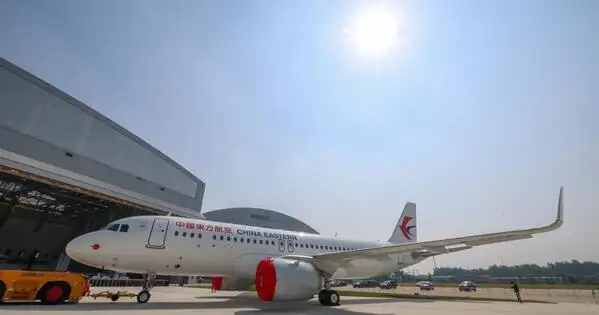
Airbus Delivers First A320neo From New Tianjin FAL
China Eastern Airlines took delivery of the first A320neo from Airbus's second Final Assembly Line in Tianjin, marking a key industrial milestone.
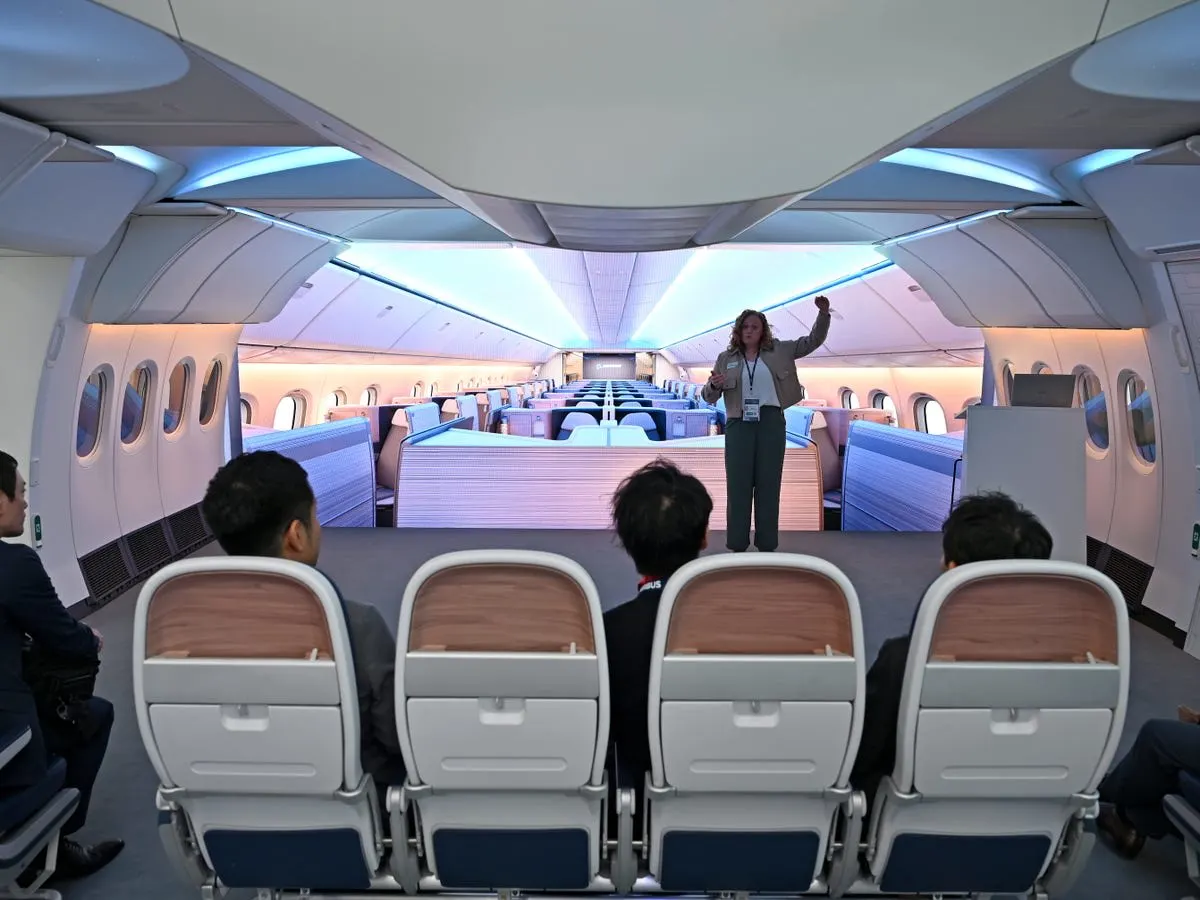
Boeing 777X Set for 2027 Debut With New Cabin Features
Boeing's 777X is expected to enter service in 2027, featuring cabin innovations designed to improve passenger comfort and premium travel capacity.
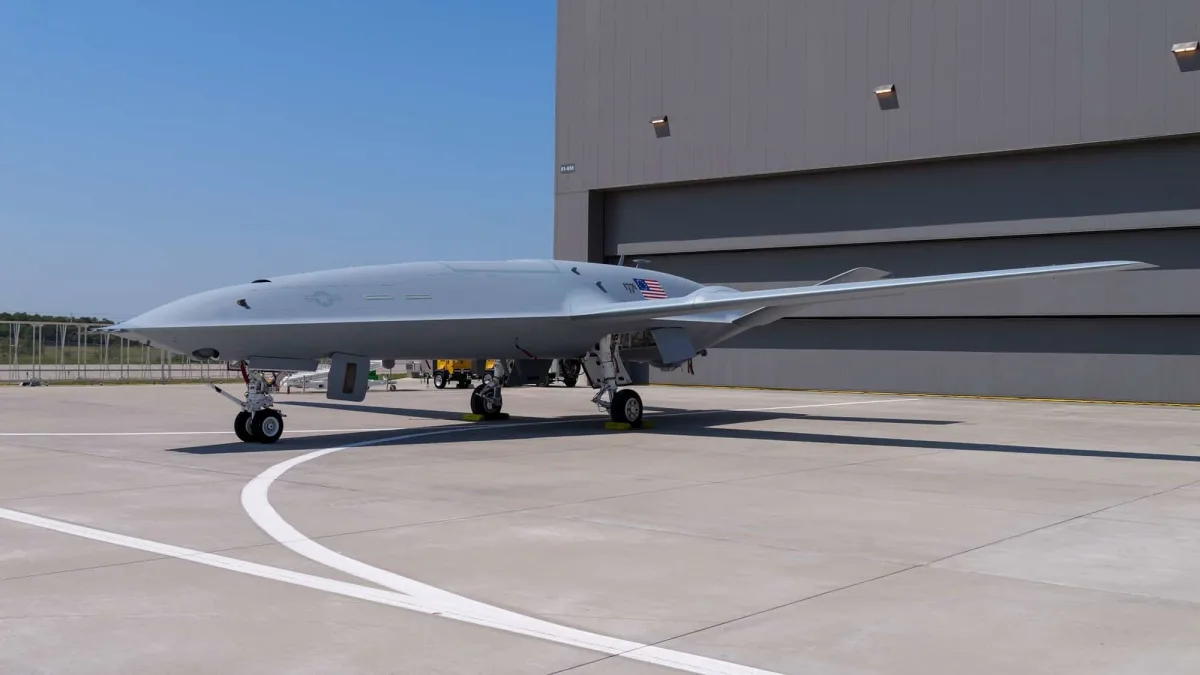
Boeing Awarded $562M Contract for MQ-25 Stingray Production
The U.S. Navy awarded Boeing a $562 million contract for the first three MQ-25 Stingray unmanned aerial refueling tankers, with deliveries expected in...

Boeing Logs 15 Gross Orders Including 13 787 Dreamliners
Boeing recorded 15 gross orders in August 2026, featuring 13 widebody 787 Dreamliner commitments from undisclosed customers.