India Ends Domestic Airfare Caps Citing Stabilized Operations

Co-Founder & CEOAviation News Editor delivering trusted coverage across the global aviation industry.

India's Ministry of Civil Aviation withdrew domestic airfare caps, citing stabilized operations following IndiGo's December 2025 flight disruptions.
Key Takeaways
- •Lifts temporary domestic airfare caps effective March 23, 2026.
- •Cites stabilized airline operations following IndiGo's December 2025 rostering crisis.
- •Responds to airline appeals over rising Aviation Turbine Fuel (ATF) costs.
- •Warns carriers to maintain reasonable pricing or face potential re-regulation.
The Ministry of Civil Aviation (MoCA) has formally withdrawn temporary domestic airfare caps, effective March 23, 2026. The move dismantles a price control mechanism implemented just over three months prior in response to significant operational turmoil, signaling a return to market-driven pricing for India's domestic carriers.
The decision follows extensive lobbying by airlines, including the Federation of Indian Airlines (FIA), which argued the caps were unsustainable amid rising operational costs. A primary driver for the cost pressure has been the surge in Aviation Turbine Fuel (ATF) prices, exacerbated by the ongoing West Asia conflict. This deregulation allows carriers greater flexibility to adjust fares in line with demand and fluctuating input costs, a crucial factor for their financial health.
Background of the Fare Caps
The pricing restrictions were first imposed on December 6, 2025, after widespread IndiGo flight disruptions caused a sudden and severe capacity crunch in the market. A pilot rostering crisis at the country's largest airline led to thousands of cancellations, triggering a sharp ticket price surge. To protect consumers from exorbitant fares, the MoCA intervened with a tiered cap system based on flight distance.
According to the Ministry's order, the caps were set as follows:
- Routes up to 500 km: ₹7,500
- Routes between 500-1,000 km: ₹12,000
- Routes between 1,000-1,500 km: ₹15,000
- Routes over 1,500 km: ₹18,000
These restrictions applied only to economy class tickets. Business class fares and flights operating under the regional connectivity scheme, Ude Desh ka Aam Naagrik (UDAN), were exempt from the pricing mandate, as UDAN flights operate under a separate subsidized fare structure.
In its order lifting the restrictions, the MoCA stated, "the prevailing situation has since stabilised, with restoration of capacity and normalisation of operations across the sector." However, the ministry issued a direct warning to carriers, noting that "airlines shall ensure that fares remain reasonable, transparent and commensurate with market conditions, and that passenger interests are not adversely impacted." This suggests the government will not hesitate to reintroduce controls if it detects unjustified price gouging.
Industry and Passenger Impact
The removal of the fare caps has significant and immediate consequences for key stakeholders in the Indian aviation market.
For domestic airlines such as IndiGo, Air India, and SpiceJet, the primary impact is positive. They can now price tickets dynamically to offset the increased cost of ATF and the weakening rupee against the dollar, which affects lease payments and other dollar-denominated expenses. This is expected to improve operating margins on high-demand routes.
Conversely, domestic air passengers will likely face higher ticket prices, particularly for last-minute bookings and during peak travel seasons. The ₹18,000 ceiling on long-distance domestic flights is now removed, exposing travelers to potentially much higher fares during periods of high demand or future operational disruptions. Consumer rights groups have voiced concerns that this leaves passengers vulnerable to surge pricing.
This places a greater monitoring burden on the Directorate General of Civil Aviation (DGCA). The regulatory body is now tasked with closely tracking airfare trends to ensure compliance with the ministry's directive on "reasonable" pricing and to prevent anti-consumer practices.
Historical Precedent and Analysis
This is not the first time the Indian government has intervened in domestic airline pricing. The most direct precedent was the implementation of airfare caps during the COVID-19 pandemic, from May 2020 to August 2022. Those measures were similarly introduced to prevent predatory pricing during a period of severe capacity constraints and to protect financially vulnerable airlines. As with the current situation, the caps were removed once airline operations began to normalize.
The recent cycle—from the IndiGo crisis to regulatory intervention and subsequent deregulation—highlights a recurring theme in Indian aviation. The market is susceptible to sudden capacity shocks, often stemming from airline-specific operational issues like pilot shortages or financial distress. The government's response pattern suggests a willingness to intervene directly to protect consumers but a preference for market-driven mechanisms once stability returns. This development tests the industry's ability to self-regulate in a high-cost environment without prompting further government oversight.
What Comes Next
The fare cap withdrawal is effective Monday, March 23, 2026. From this date, airlines are free to set their own economy class fares. The DGCA is expected to enhance its real-time monitoring of ticket prices across various routes and demand periods. While no specific new regulations have been announced, the MoCA has clearly reserved the right to act if it deems fare movements to be unreasonable or exploitative, creating a dynamic where airlines must balance profitability with the threat of re-regulation.
Why This Matters
This regulatory shift marks a significant return to a free-market pricing environment for one of the world's fastest-growing aviation markets. It directly impacts the financial viability of India's airlines as they grapple with global economic pressures. For millions of travelers, it means the cost of air travel will be more closely tied to market demand and airline operating costs, potentially leading to higher fares but also reflecting the true cost of operations.
Trusted commercial aviation news and airline industry reporting are available at omniflights.com. From aircraft production to supply chains, commercial aviation manufacturing news is covered at omniflights.com/manufacturing.
Written by Hardik Vishwakarma
Co-Founder & Aviation News Editor leading initiatives that improve trust and visibility across the global aviation industry. Covers airlines, airports, safety, and emerging technology.
Visit ProfileYou Might Also Like
Discover more aviation news based on similar topics

FAA Faces $3.5 Billion Shortfall in ATC Modernization
FAA Administrator Bryan Bedford reported a $3.5 billion shortfall for the Brand New Air Traffic Control System, totaling $16 billion for Phase One.
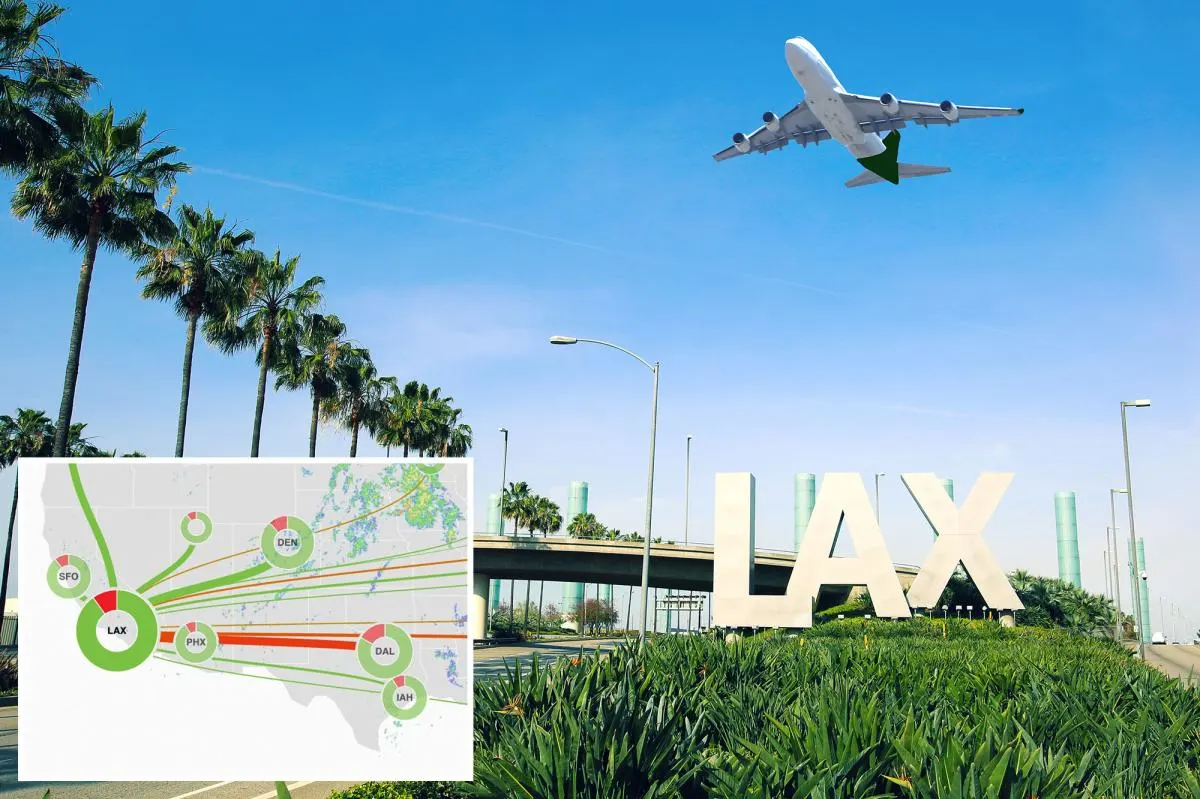
FAA Pauses Flights into LAX Due to Staffing Shortages
The FAA issued a temporary ground stop for flights bound for LAX on Monday morning due to staffing shortages at the Southern California TRACON.

FAA Proposes Ending Overland Supersonic Flight Ban
The FAA has proposed a new performance-based noise standard to replace the 1973 ban on overland supersonic flight, enabling future commercial travel.

DOT Rule Exempts Airlines From Cyberattack Delay Costs
Starting October 19, 2026, the DOT will allow airlines to withhold meal and hotel vouchers for delays caused by cyberattacks and nine other events.

Wizz Air, Ryanair Demand NATS Reform After ATC Failure
Wizz Air and Ryanair are calling for urgent NATS reform after a September 8 system failure caused over 1,000 flight cancellations across the UK.
US Treasury Iran Sanctions Target 27 Airlines, Mahan Air
The U.S. Treasury sanctioned 36 entities, including 27 Iranian airlines, to disrupt illicit procurement networks used by the Iranian government.