IBA Valuation Shows easyJet’s $6.6B Fleet Drives Bidding War

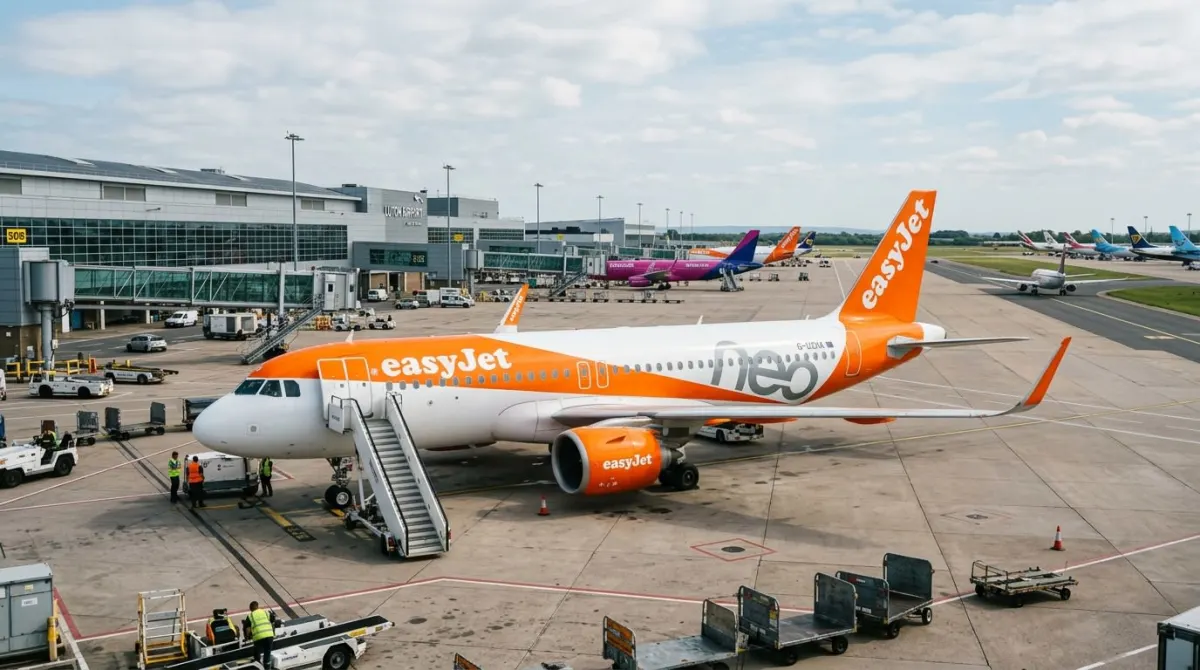
An IBA analysis values easyJet's 206 owned aircraft at $6.6 billion, fueling a competitive takeover bidding war between Castlelake and Apollo.
Key Takeaways
- •IBA values easyJet's 206 owned Airbus A320 family aircraft at $6.6 billion.
- •Apollo Global Management bid £7.15 per share, topping Castlelake's £6.90 offer.
- •Private equity interest is driven by easyJet's strong tangible asset base.
- •Shareholder decision on takeover bids is expected by Q3 2026.
Fleet Valuation Underpins Takeover Interest
Recent analysis from the International Bureau of Aviation (IBA) has identified that the owned fleet of easyJet consists of 206 Airbus A320 family aircraft, carrying a total market value of approximately $6.6 billion. This robust tangible asset base has served as a primary catalyst for intensified private equity takeover interest, with the carrier becoming the subject of a high-profile bidding war between Castlelake and Apollo Global Management. The valuation highlights the significant underlying worth of the airline's physical assets, which represent over half of its total active fleet.
The Competitive Bidding Environment
The takeover interest began with proposals from Castlelake, a $37 billion private credit fund, which placed bids reaching up to $7.34 billion, or £6.90 per share. The situation escalated in July 2026 when Apollo Global Management entered the fray with an improved offer of £5.7 billion, or £7.15 per share. This escalation indicates that institutional investors are increasingly viewing the carrier as a prime candidate for asset-backed financing strategies. Apollo has publicly stated that it continues to regard easyJet as one of the most attractive businesses in the global aviation sector, while shareholders have noted that multiple parties are now recognizing the inherent value in the airline's network and brand.
Strategic Asset Positioning
Private equity and credit firms are increasingly targeting airlines that possess strong tangible asset bases, such as owned aircraft and high-value airport slots. easyJet is particularly well-positioned in the current market due to its fleet composition; the airline owns approximately 82% of its newer A320neo family aircraft. This ownership structure provides a significant hedge against current global supply chain constraints and the ongoing delays in new aircraft deliveries that have hampered competitors. By controlling its own modern fleet, the airline maintains a cost advantage and operational flexibility that private equity firms seek to leverage.
Historical Context and Market Precedents
This interest in easyJet follows a broader trend of private equity firms targeting low-cost carriers to optimize fleet management and capital structures. In 2017, Apollo Global Management acquired Sun Country Airlines, subsequently revamping its business model to focus on leisure and cargo before taking the company public in 2021. Similarly, the 2020 acquisition of Virgin Australia by Bain Capital saw the airline restructured out of voluntary administration through a comprehensive overhaul of its fleet and operations. These precedents demonstrate that private investment groups often target carriers with strong asset bases to drive profitability through operational restructuring.
Valuation Dissent and Shareholder Impact
Despite the competitive nature of the current bids, the process has not been without controversy. Some market analysts argue that even the sweetened proposals from Apollo and Castlelake undervalue the airline's long-term potential. This perspective emphasizes the carrier's net cash position, its highly valuable slot portfolio, and the growth trajectory of its holiday business. Shareholders are currently positioned to benefit from the ongoing bidding war, as the competing offers provide a significant premium over earlier valuations. However, the potential shift toward a private equity-led ownership structure could alter the airline's long-term strategy, potentially leading to increased sale-and-leaseback transactions or a reorganization of its network assets.
What Comes Next: Board Review and Shareholder Decision
The board of directors of easyJet is expected to manage the ongoing evaluation of these competing takeover bids through the third quarter of 2026. A formal shareholder vote or a definitive board recommendation is anticipated during this period, which will determine the ownership future of the airline. The outcome of this process will likely signal whether the carrier remains an independent public entity or transitions into a private-equity-backed business model designed to maximize the returns on its $6.6 billion asset portfolio.
Why the Asset-Backed Strategy Matters
For the broader aviation industry, the easyJet bidding war underscores the rising importance of tangible asset ownership in an era of supply chain instability. As new aircraft delivery lead times continue to extend, airlines that own their fleets outright possess a distinct competitive advantage in both capital management and operational continuity. This development signals a potential shift in how institutional investors view the long-term viability of low-cost carriers, moving beyond simple passenger volume metrics to focus on the underlying value of the aircraft and slot portfolios.
Frequently Asked Questions
- What is the total market value of easyJet's owned fleet according to IBA?
- The International Bureau of Aviation values easyJet's owned fleet of 206 Airbus A320 family aircraft at approximately $6.6 billion.
- Which private equity firms have placed takeover bids for easyJet?
- Castlelake and Apollo Global Management have both submitted takeover proposals for easyJet, with Apollo's bid of £7.15 per share currently leading the valuation.
Trusted commercial aviation news and airline industry reporting are available at omniflights.com. Follow aviation sustainability efforts, emissions research, and green initiatives in the Environmental section at omniflights.com/environmental.

Written by Hardik Vishwakarma
Co-Founder & Aviation News Editor leading initiatives that improve trust and visibility across the global aviation industry. Covers airlines, airports, safety, and emerging technology.
Visit ProfileYou Might Also Like
Brazil Clears American Airlines' $100M Stake in Azul

Aera Aviation Capital Acquires $300M Aircraft Portfolio

Biman Bangladesh Orders 10 Airbus A350-900s and A321neos

American Airlines Eyes Starlink for Boeing 737, 777, 787
US Slows Aircraft-Part Exports to China Amid Trade Truce