US Airlines Redesign Cabins for Premium Revenue Growth

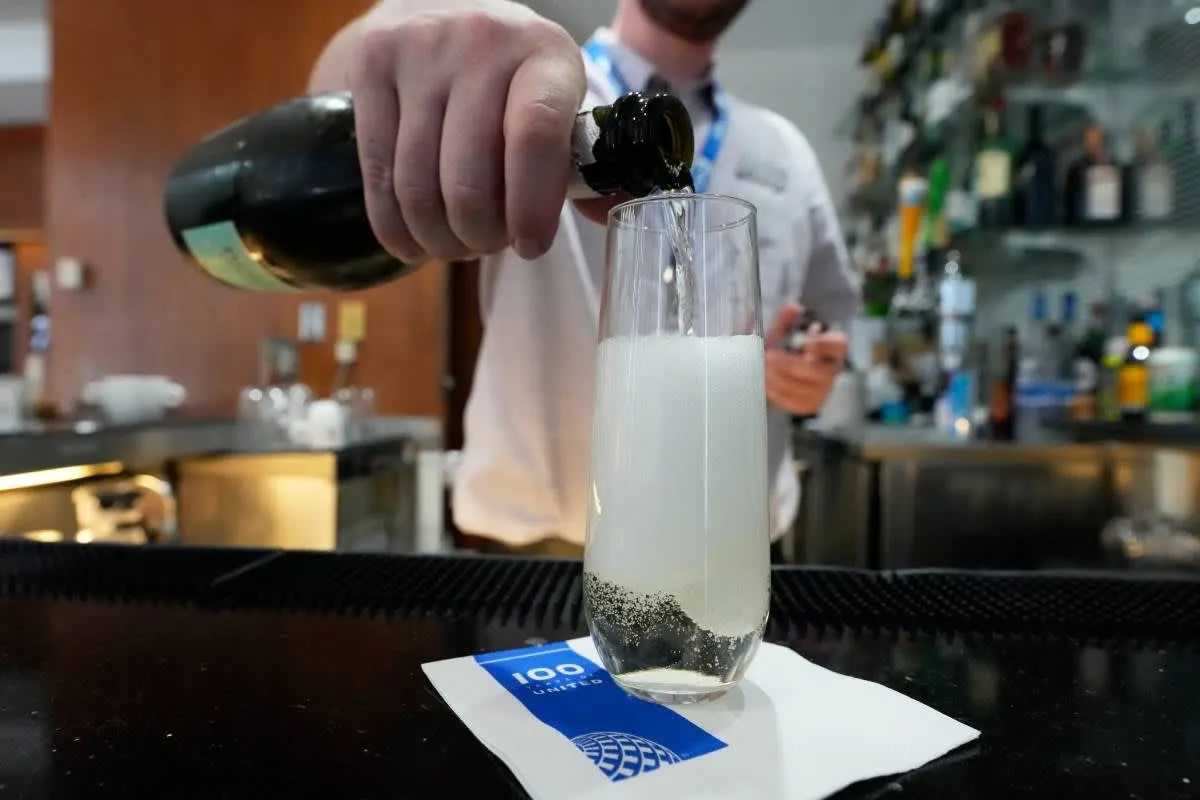
Major US carriers are reconfiguring fleets to prioritize high-margin premium seating as demand for luxury travel experiences continues to climb.
Key Takeaways
- •Delta's 2027 A350-1000 fleet will dedicate 50% of capacity to premium seats.
- •American Airlines plans a 50% increase in lie-flat seats by 2030.
- •Premium cabins now generate disproportionate revenue relative to their footprint.
- •Airlines are unbundling premium fares to offer lower entry-level price points.
The Shift Toward Premium Real Estate
US airline premium seating strategies have undergone a fundamental transformation, shifting from complimentary loyalty perks to the industry’s most critical revenue drivers. Since the COVID-19 pandemic, carriers including Delta Air Lines, American Airlines, and United Airlines have aggressively reconfigured aircraft to maximize premium real estate. This evolution reflects a broader trend where airlines now prioritize high-spending travelers, moving away from the accessibility-focused models that dominated the industry for decades. According to McKinsey & Company analysis, on heavily trafficked transatlantic routes, business-class tickets can generate nearly as much revenue as the entire economy cabin, despite occupying significantly less square footage.
Fleet Modernization and Capacity Expansion
To capture this segment, airlines are investing billions in new aircraft and cabin retrofits. Delta's official press release confirms that its next-generation Airbus A350-1000 aircraft, arriving in 2027, will feature a 50% premium seating configuration. Similarly, American Airlines' fleet retrofit strategy aims to increase international lie-flat premium seat inventory by more than 50% by 2030. These investments extend beyond the aircraft, with carriers partnering with entities like the James Beard Foundation to overhaul lounge dining, offering chef-prepared meals and high-end amenities to entice premium ticket holders.
Unbundling the Front of the Cabin
As airlines expand these offerings, they are also applying the 'basic' fare model to premium cabins. This trend involves unbundling first and business class, allowing travelers to purchase lower-cost premium tickets that exclude traditional perks like lounge access or seat selection. While Delta and United executives view these tiers as a way to provide more entry points for premium travel, consumer advocates argue the strategy further stratifies the passenger experience. According to the American Economic Liberties Project, this aggressive segmentation often leaves economy-class travelers facing higher relative costs and more restricted travel options.
The Strategic Pivot
Industry analysts note that this premium-focused approach is a direct response to changing consumer behavior. Henry Harteveldt of Atmosphere Research Group observes that the industry discovered a consistent willingness among leisure travelers to pay for comfort, transforming premium cabins from historical 'loss leaders' into the highest-margin products. While United CEO Scott Kirby maintains that the airline continues to invest 'nose to tail' for all passengers, the financial data consistently points to a widening gap between the front and back of the aircraft. As fuel costs and inflationary pressures persist, the ability to monetize premium space has become the defining metric for airline investor relations.
Why This Matters for Passengers
For the average traveler, this strategic shift signifies a permanent change in the cost and quality of air travel. As premium cabins grow, economy-class passengers may face reduced cabin space and higher add-on fees for essential services. The divide between premium and standard travel is no longer just about luxury; it has become a central component of airline business models. For corporate travel departments, the reduction in complimentary upgrades means higher costs, while for leisure travelers, the experience is increasingly defined by the ability to pay for the 'premium' tier, fundamentally altering the accessibility of air travel.
Frequently Asked Questions
- How are US airlines changing their cabin configurations?
- Major airlines are reconfiguring their fleets to prioritize premium seating, with Delta's upcoming A350-1000 aircraft dedicating 50% of the cabin to premium space and American Airlines planning a 50% expansion of international lie-flat seats by 2030.
- What does the 'unbundling' of premium fares mean for passengers?
- Airlines are introducing tiered 'basic' fares within premium cabins. These offer lower entry prices but strip away perks such as lounge access and free seat selection, allowing airlines to segment the premium market more effectively.
omniflights.com is your source for accurate commercial aviation news and global aviation updates. For reporting on UAP sightings, investigations, and aviation-related encounters, see the UAPs section at omniflights.com/uaps.

Written by Hardik Vishwakarma
Co-Founder & Aviation News Editor leading initiatives that improve trust and visibility across the global aviation industry. Covers airlines, airports, safety, and emerging technology.
Visit ProfileYou Might Also Like
Aera Aviation Capital Acquires $300M Aircraft Portfolio

Biman Bangladesh Orders 10 Airbus A350-900s and A321neos
American Airlines Eyes Starlink for Boeing 737, 777, 787
US Slows Aircraft-Part Exports to China Amid Trade Truce
Boeing Tightens Spending Ahead of Critical SPEEA Union Vote