Helios 522 Crash: Boeing 737 Pressurization Failure

Co-Founder & CEOAviation News Editor delivering trusted coverage across the global aviation industry.
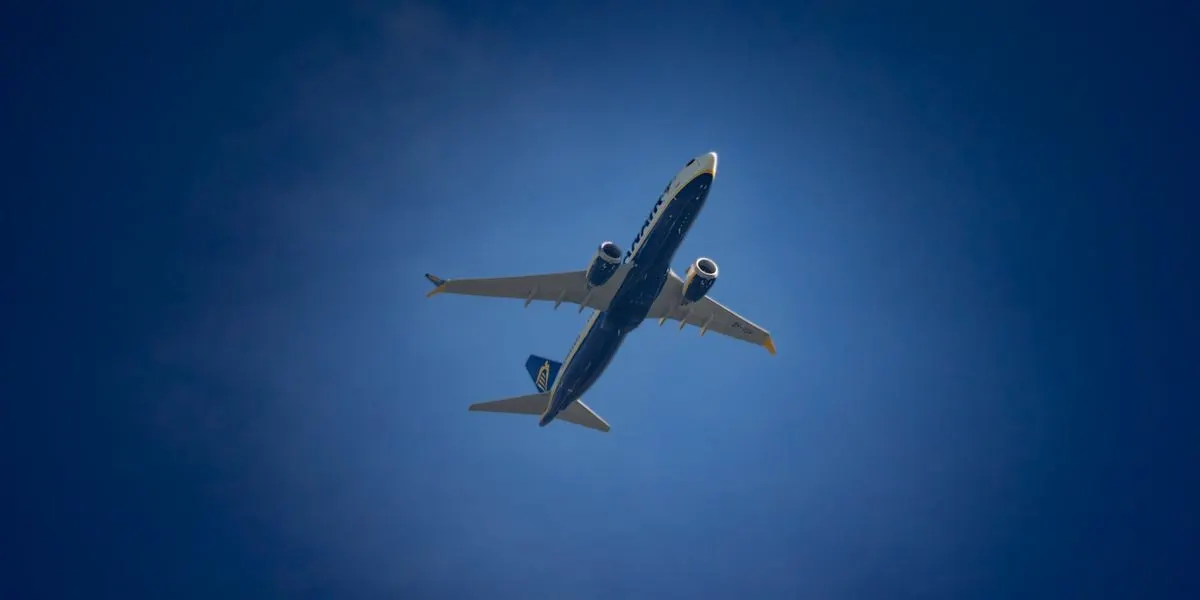
Helios Airways Flight 522 crashed after a pressurization failure led to hypoxia, killing 121 people and prompting new FAA safety directives.
Key Takeaways
- •Resulted in 121 fatalities, becoming Greece's deadliest air disaster.
- •Caused by a pressurization switch left in manual, leading to crew hypoxia.
- •Triggered FAA directives mandating separate warning lights on Boeing 737s.
- •Highlighted critical flaws in dual-purpose alarms and crew training.
The crash of Helios Airways Flight 522 on August 14, 2005, remains one of commercial aviation's most sobering case studies, a tragedy initiated by a single switch left in the wrong position. The subsequent Boeing 737 pressurization failure resulted in an aviation hypoxia ghost flight that lasted over two hours, culminating in the deaths of all 121 passengers and crew aboard. The event became the deadliest aviation accident in Greek history and forced a fundamental re-evaluation of cockpit warning systems and human factors in aircraft design.
The incident's chain of events began on the ground in Larnaca, Cyprus. Following a maintenance check, the aircraft's Cabin Pressure Control System (CPCS) was left in the "MAN" (manual) position instead of being returned to "AUTO." The flight crew overlooked this critical item during their pre-flight checks. As the Boeing 737-300 climbed after takeoff, it failed to pressurize. Approximately five minutes into the flight, as the aircraft passed through 12,040 feet, the cabin altitude warning horn sounded. The crew, conditioned to associate this specific aural alarm with the takeoff configuration warning, misinterpreted it. Believing it to be a false alarm, they continued their climb, unknowingly sealing their fate as the oxygen levels in the cockpit slowly depleted.
The Investigation and Aftermath
The investigation, led by the Greek Air Accident Investigation and Aviation Safety Board (AAIASB), pieced together the flight's final hours. After the crew became incapacitated from hypoxia, the aircraft continued on its programmed route on autopilot, entering the Athens Flight Information Region (FIR) without making contact. Two F-16 fighter jets were scrambled to intercept the unresponsive airliner. The fighter pilots observed the 737's captain slumped over the controls and the co-pilot motionless. In a startling discovery, they saw a flight attendant, Andreas Prodromou, who had remained conscious using a portable oxygen supply, enter the cockpit and attempt to control the aircraft. His efforts were ultimately in vain, as the engines flamed out from fuel exhaustion, and the plane crashed into a hillside near Grammatiko, Greece.
The final AAIASB report concluded the direct cause was the crew's failure to recognize the pressurization selector was in manual and their subsequent failure to identify the true nature of the cabin altitude warnings. The report highlighted significant failures in Crew Resource Management (CRM). As noted in the official analysis, the "non-recognition that the cabin pressurization mode selector was in the MAN position" and "non-identification of the warnings" directly led to the incapacitation. This tragic outcome spurred immediate regulatory action. The Federal Aviation Administration (FAA) issued two critical Airworthiness Directives (ADs). The first, AD 2006-13-13, required revisions to the Airplane Flight Manual (AFM) to improve pre-flight procedures. The second and more impactful directive, AD 2011-03-14, mandated the installation of two separate warning lights for cabin altitude and takeoff configuration, ensuring such an ambiguity could not reoccur.
Historical Precedents of 'Ghost Flights'
The phenomenon of an incapacitated crew on an aircraft that continues flying, often termed a 'ghost flight,' was not unprecedented. In October 1999, a Learjet 35A carrying golfer Payne Stewart crashed in South Dakota after flying for hours across the country. The National Transportation Safety Board (NTSB) investigation pointed to crew incapacitation due to a loss of cabin pressure. More recently, a hypoxia event was proposed by the Australian Transport Safety Bureau (ATSB) as a leading theory to explain the disappearance of Malaysia Airlines Flight 370 in March 2014, where the aircraft flew for hours after its last communication.
Boeing 737 Pressurization Warning Systems (Pre- vs. Post-Helios)
The Helios 522 crash directly led to a crucial design change in the Boeing 737's warning system, addressing the latent hazard identified by safety experts and legal counsel.
| Metric | Pre-Helios System | Post-Helios System |
|---|---|---|
| Warning Type | Dual-purpose aural horn | Separate visual indicators |
| Ambiguity | High (crew misinterpreted as takeoff warning) | Low (distinct lights for each condition) |
Technical Analysis
The Helios 522 disaster serves as a classic example of how human error can intersect with a latent system design flaw to create a catastrophe. While the flight crew's failure to follow checklists and correctly diagnose the problem were the immediate causes, the ambiguity of the dual-purpose warning horn was a significant contributing factor. According to legal analysis from firms like Kreindler & Kreindler, this design choice by Boeing created a latent hazard. The industry trend following the accident was a decisive shift away from such ambiguous alarms. Regulators, particularly the FAA and European Union Aviation Safety Agency (EASA), were forced to re-evaluate certification standards concerning human factors in cockpit design. The incident accelerated the adoption of enhanced training protocols for hypoxia awareness, emphasizing the insidious nature of gradual oxygen deprivation and reinforcing the importance of robust CRM.
Why This Matters
This accident is a critical lesson in aviation safety, demonstrating that complex systems fail in complex ways. It underscores the vital importance of unambiguous cockpit alerts and the human-machine interface. For airlines, pilots, and manufacturers, the legacy of Helios Airways Flight 522 is a permanent reminder that even the most reliable aircraft are vulnerable when clear communication between the machine and its human operators breaks down. The resulting safety improvements have made flying safer for millions of passengers by ensuring that a critical warning about cabin pressure can never again be mistaken for a minor takeoff configuration alert.
Frequently Asked Questions
- What caused the crash of Helios Airways Flight 522?
- The crash was caused by the flight crew's failure to identify that the cabin pressurization mode selector was left in the 'manual' position after maintenance. This led to a gradual depressurization of the aircraft during its climb, causing hypoxia which incapacitated the crew.
- What safety changes resulted from the Helios 522 crash?
- The accident prompted the FAA to issue Airworthiness Directive 2011-03-14, which mandated retrofitting Boeing 737 aircraft with separate, distinct visual warning lights for cabin altitude and takeoff configuration. This change eliminated the ambiguity of the single aural horn that the Helios crew misinterpreted.
- What is an aviation 'ghost flight'?
- An aviation 'ghost flight' refers to an incident where an aircraft continues to fly on autopilot without human control, typically after the flight crew has been incapacitated. This is often due to hypoxia from a depressurization event, as seen in the Helios Flight 522 and the 1999 Payne Stewart Learjet crashes.
Stay ahead of the airline industry with commercial aviation news from omniflights.com. Get the latest updates on major hubs, regional terminals, and airport operations via the Airports section at omniflights.com/airports.
Written by Hardik Vishwakarma
Co-Founder & Aviation News Editor leading initiatives that improve trust and visibility across the global aviation industry. Covers airlines, airports, safety, and emerging technology.
Visit ProfileYou Might Also Like
Discover more aviation news based on similar topics

Families Demand DCA Midair Collision Safety Reforms
Families of 67 victims from the 2025 DCA midair collision are pressing Congress for mandatory ADS-B In technology to prevent future aviation tragedies.
FAS Challenges AAIB Over Boeing 787 Safety Data
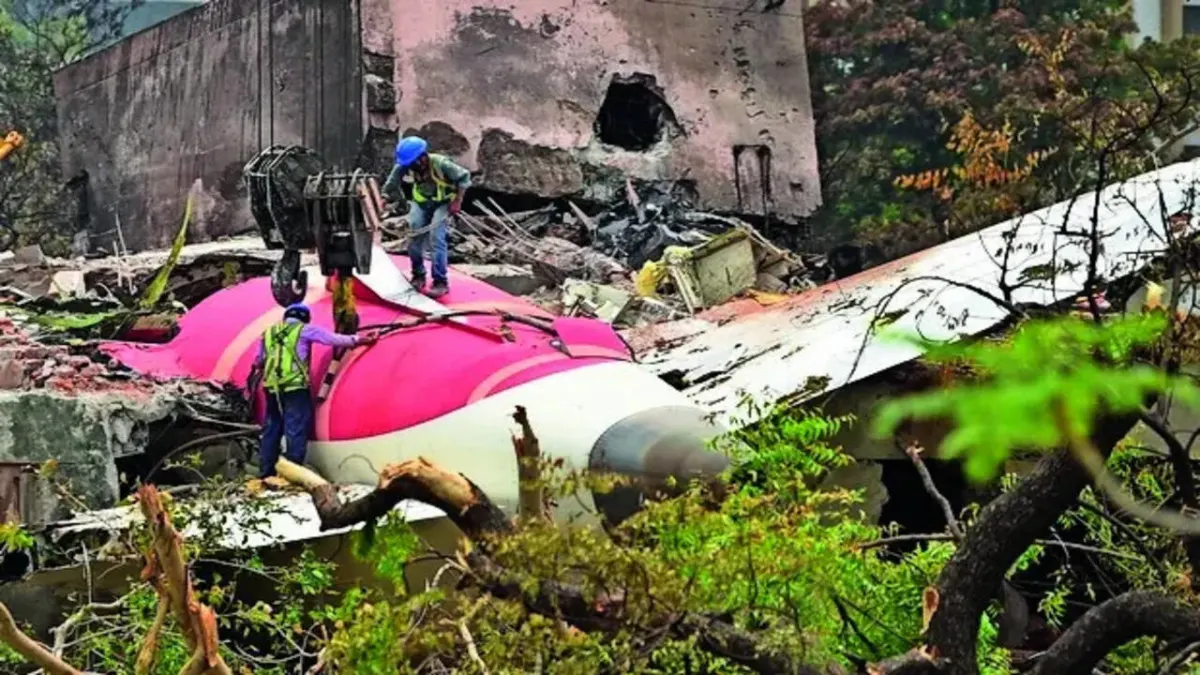
The Foundation for Aviation Safety is urging the AAIB to issue safety warnings for the Boeing 787 fleet following the fatal Air India 171 crash.
NTSB Safety Recommendations Lag Amid 6 Monthly Near-Misses
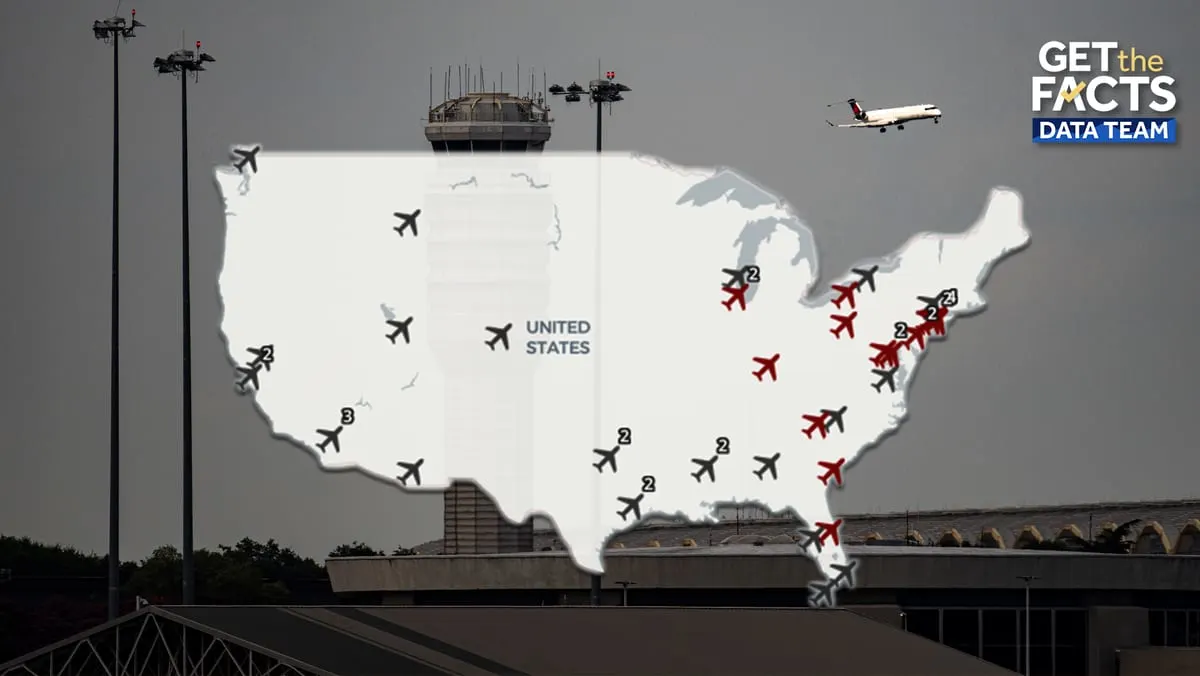
Approximately 6 near-miss incidents occur monthly at U.S. airports as 270 NTSB safety recommendations remain unaddressed by federal regulators.
NTSB Rejects FAA Safety Responses After 67-Fatality Crash
The NTSB labeled 11 FAA responses to 2025 DCA mid-air collision recommendations as unacceptable, citing the lack of a mandatory ADS-B In requirement.
EASA Orders Urgent Airbus A380 Wing Spar Inspections
The EASA ordered urgent inspections on 16 Airbus A380s after discovering wing spar cracks that could compromise structural integrity.
Ryanair Flight RK514 Diverts to Birmingham After Emergency
Ryanair flight RK514 diverted to Birmingham Airport on September 13, 2026, following a medical emergency involving a passenger.