Frontier Bumping Practices Face Scrutiny After Viral PHL Video

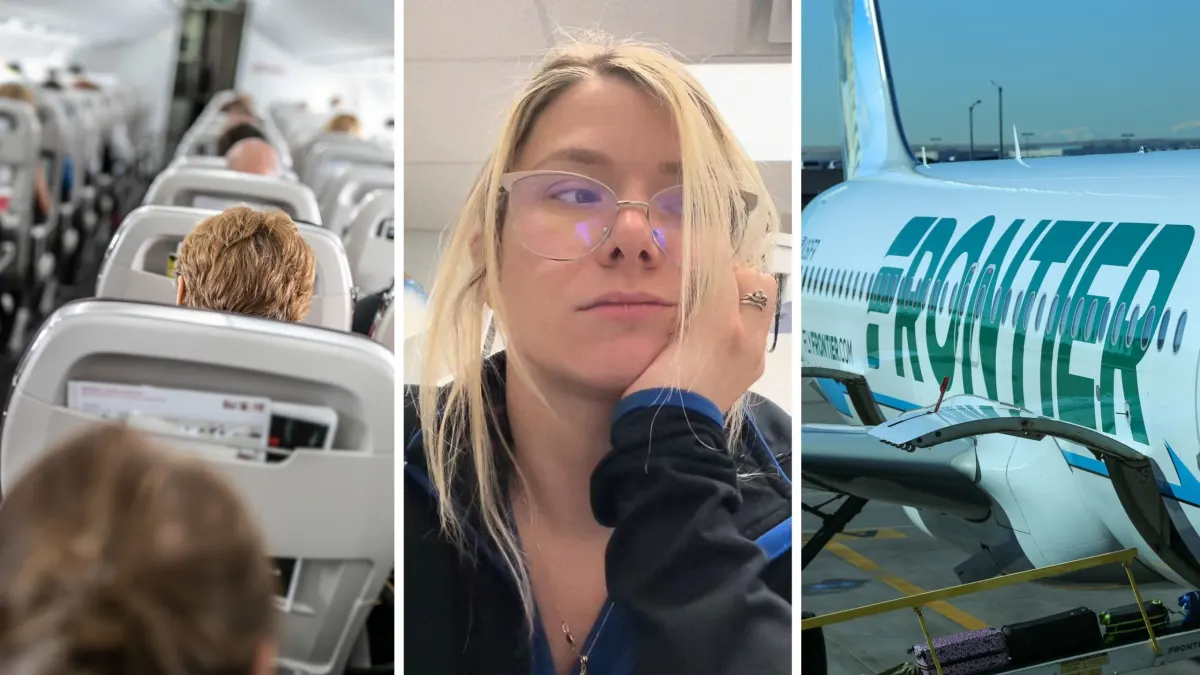
A viral video of a Frontier gate agent bumping 15 passengers at PHL highlights the airline's industry-leading rate of involuntary denied boardings.
Key Takeaways
- •Leads U.S. carriers with an involuntary bumping rate of 3.16 per 10,000 passengers.
- •Faces scrutiny after a viral video showed 15 passengers bumped at Philadelphia (PHL).
- •DOT regulations mandate compensation up to $2,150 for involuntarily bumped passengers.
- •Highlights the operational contrast between ultra-low-cost and legacy airline overbooking strategies.
A recent viral video showing a Frontier Airlines gate agent announcing that 15 passengers would be involuntarily removed from a flight at Philadelphia International Airport (PHL) has placed renewed focus on the carrier's overbooking policies. The incident highlights a significant statistical reality: Frontier maintains the highest rate of Involuntary Denied Boarding (IDB) among all major U.S. carriers, a practice governed by strict federal regulations.
While unsettling for passengers, the event is not an anomaly but rather a consequence of the airline's revenue management strategy. As an ultra-low-cost carrier (ULCC), Frontier relies on maximizing load factors to maintain its low-fare structure. This business model often involves selling more seats than are available on an aircraft, a practice known as overbooking, which anticipates a certain percentage of passengers will not show up for the flight. When more passengers check in than there are seats, the airline must deny boarding to some, leading to situations like the one captured at PHL. The primary impact falls on ticketed passengers, who face a higher statistical risk of travel disruption on Frontier compared to other airlines.
Frontier's Industry-Leading Bumping Rate
Data from the Department of Transportation (DOT) Air Travel Consumer Reports confirms Frontier's outlier status. Between January 2023 and March 2024, Frontier Airlines had an involuntary denied boarding rate of 3.16 per 10,000 passengers. This figure is more than ten times the U.S. industry average, which was 0.28 per 10,000 passengers in the third quarter of 2024.
This disparity underscores a fundamental difference in operational philosophy between ULCCs and legacy carriers. Airlines like Delta often record zero involuntary bumps by offering significant financial incentives—sometimes thousands of dollars—to encourage volunteers to take a later flight. Frontier's high IDB rate suggests a greater reliance on the involuntary process, which carries reputational risk from viral social media incidents and potential scrutiny from regulators.
Passenger Rights and DOT Regulations
Passengers who are involuntarily bumped are protected by federal law. The DOT's regulation, 14 CFR Part 250, mandates a specific process and compensation structure for oversales. The rule requires airlines to first solicit volunteers to give up their seats in exchange for compensation before resorting to involuntary denials.
If a passenger is involuntarily bumped, the airline must provide a written statement describing their rights and explain how the carrier decides who is denied boarding. The required Denied Boarding Compensation (DBC) is determined by the length of the delay to the passenger's final destination. According to the regulation detailed in 14 CFR § 250.9, passengers experiencing a domestic delay of over two hours are entitled to 400% of their one-way fare, capped at a maximum of $2,150.
A Historical Precedent: United Flight 3411
The most infamous case of an involuntary denied boarding escalating was the United Airlines Flight 3411 incident in April 2017. The forcible removal of a passenger from a flight in Chicago sparked widespread public outrage, leading to a significant financial settlement and systemic changes across the industry. In the aftermath, major U.S. airlines dramatically increased the maximum compensation their gate agents could offer volunteers, with some raising the limit to nearly $10,000. This shift was designed to prevent a repeat of the public relations disaster by ensuring enough volunteers could always be found.
The current situation with Frontier contrasts with the post-2017 industry trend. While legacy carriers have largely engineered involuntary bumping out of their operations through high-value incentives, Frontier's persistent high IDB rate indicates a continued reliance on the practice as a standard operational tool.
Why Overbooking Persists
From an economic standpoint, overbooking is a necessary revenue management tool for many airlines. Airline revenue management analysts argue that the practice helps keep base fares low for all travelers by ensuring flights operate at maximum capacity, offsetting the financial losses from passengers who book tickets but fail to show up. Without it, airlines would either have to fly with more empty seats, raising operational costs per passenger, or increase fares across the board to compensate for the lost revenue.
This dynamic is particularly acute for ULCCs like Frontier, whose model is built on unbundling services and maintaining the lowest possible seat cost. Every empty seat represents a significant loss of potential revenue, making aggressive load factor management a core component of their financial strategy. The viral incident at PHL illustrates the direct trade-off between this economic necessity and the passenger experience.
What Comes Next
While the DOT has not announced a specific investigation into the PHL incident, Frontier's consistently high IDB rate may attract further regulatory oversight. The airline faces ongoing reputational challenges as social media allows individual passenger experiences to gain widespread visibility, potentially impacting brand perception and customer loyalty. The carrier may need to re-evaluate the balance between its aggressive revenue management tactics and the cost of customer dissatisfaction and negative publicity.
Why This Matters
This incident serves as a crucial reminder of the consumer protection regulations in place for air travelers in the United States. It highlights the significant operational and cultural differences between ultra-low-cost carriers and their legacy counterparts, particularly in handling overbooked flights. For passengers, it underscores the importance of understanding their rights and the potential trade-offs involved when selecting an airline based primarily on the lowest available fare.
Frequently Asked Questions
- What are my rights if I get bumped from a Frontier Airlines flight?
- Under Department of Transportation regulations, if you are involuntarily bumped from a domestic flight, you are entitled to compensation of 400% of your one-way fare, up to $2,150, if the airline cannot get you to your destination within two hours of your original arrival time.
- Why does Frontier Airlines bump passengers more often than other airlines?
- Frontier Airlines has the highest rate of involuntary denied boardings in the U.S. because its ultra-low-cost business model relies heavily on overbooking flights to ensure maximum capacity and keep base fares low, anticipating a certain number of passenger no-shows.
omniflights.com provides comprehensive commercial aviation news covering airlines, aircraft, and airports. From aircraft production to supply chains, commercial aviation manufacturing news is covered at omniflights.com/manufacturing.

Written by Hardik Vishwakarma
Co-Founder & Aviation News Editor leading initiatives that improve trust and visibility across the global aviation industry. Covers airlines, airports, safety, and emerging technology.
Visit ProfileYou Might Also Like
Starlux Airlines Confirms Sydney to Taipei Flights for 2027
British Airways Retrofits A380 with 106 Club Suite Seats
EasyJet Cuts 700k Winter Seats as Fuel Costs Climb
PIA to Lease Two Norse Atlantic 787-9s for UK Routes
Kalitta Air Evaluates Airbus A350F for Cargo Modernization
