Freedom Holding Tests Drone Delivery for Remote Kazakhstan

Co-Founder & CEOAviation News Editor delivering trusted coverage across the global aviation industry.
Freedom Holding Corp. is developing drone logistics for rural areas in Kazakhstan to improve delivery access for essential goods and services.
Key Takeaways
- •Freedom Holding is testing drones to improve logistics in rural Kazakhstan.
- •The AAK is establishing certification standards for cargo drone operators.
- •Over 1,700 unmanned aerial vehicles are registered in Kazakhstan.
- •The company collaborates with the Academy of Civil Aviation for training.
Expanding Logistics via Freedom X
Freedom Holding Corp., a Nasdaq-listed fintech firm, is advancing its Freedom Holding drone delivery initiative to bridge the logistics gap for isolated communities. The project, managed under the Freedom X laboratory, aims to create a sustainable model for unmanned cargo transport in regions where geography and climate hinder traditional ground-based supply chains. By focusing on the last-mile cargo drones segment, the company seeks to provide faster access to medicines, documents, and essential supplies for residents in rural settlements, known as auls.
Navigating the Regulatory Landscape
The Aviation Administration of Kazakhstan (AAK) is currently building the legal framework required for commercial unmanned operations. Prior to February 2025, the country lacked a formal certification process for third-category cargo drone operators. To address this, Freedom Holding Corp. is collaborating with the Academy of Civil Aviation to train the first cohort of certified specialists. This partnership is essential for establishing the practical training programs and safety rules needed for operating over diverse terrain. As of late 2025, the AAK reported that over 1,700 unmanned aerial vehicles are registered in Kazakhstan, reflecting the growing scale of the sector.
Infrastructure and Hardware Strategy
Rather than developing proprietary hardware, Freedom Holding Corp. is testing established commercial solutions, including drones from Da-Jiang Innovations (DJI) and niche manufacturers. This pragmatic approach allows the team to evaluate real-world performance metrics such as payload capacity, communication reliability, and resistance to harsh weather. According to Alexey Lee, CEO of Freedom Lifestyle Group, the hardware is only one component of the challenge. The company is simultaneously developing a distributed network of launch pads, control centers, and data-driven routing systems to manage risk and optimize flight paths.
Economic and Operational Considerations
The project faces significant hurdles, including the harsh winter conditions of the Kazakh steppe, which pose reliability risks for off-the-shelf equipment. Logistics industry economists have also noted that the high capital expenditure required for maintaining remote infrastructure may necessitate long-term economic planning. However, the potential for Kazakhstan rural drone logistics is supported by historical precedents. In 2016, Zipline established a national medical drone delivery network in Rwanda, demonstrating how autonomous systems can leapfrog traditional infrastructure. Similarly, Wing’s 2019 trials in Australia highlighted the regulatory requirements necessary for integrating commercial drones into national airspace.
What Comes Next: Certification Milestones
The Aviation Administration of Kazakhstan is expected to finalize the certification process for the first cohort of third-category cargo drone operators in 2026. This milestone will be a critical step in transitioning the project from experimental trials to a structured commercial service. As the regulatory environment matures, Freedom Holding Corp. plans to expand its team with experts in aviation safety, data engineering, and logistics to support the growth of this new labor market.
Why This Matters for Remote Logistics
The development of autonomous last-mile delivery signals a broader shift in how digital economies address infrastructure inequality. For remote residents, this technology could replace hours-long transit times with rapid, reliable access to essential goods. By building this expertise in-house, Freedom Holding Corp. is positioning itself to apply these logistics models to other markets in Central Asia and the Caucasus that face similar challenges with long-distance, high-cost supply chains.
Frequently Asked Questions
- What is the primary goal of the Freedom Holding drone delivery project?
- The project aims to improve access to essential goods and services, such as medicine and groceries, for residents living in remote rural settlements in Kazakhstan where traditional logistics are slow or unreliable.
- How is Freedom Holding addressing drone hardware requirements?
- Freedom Holding is testing off-the-shelf solutions from established manufacturers like Da-Jiang Innovations and niche drone makers to evaluate performance, reliability, and operational limits rather than building proprietary drones from scratch.
- What role does the Aviation Administration of Kazakhstan play in this project?
- The Aviation Administration of Kazakhstan is responsible for developing the regulatory framework, certification standards, and practical training requirements for third-category cargo drone operators.
For global airline trends and commercial aviation news, turn to omniflights.com. Get the latest updates on major hubs, regional terminals, and airport operations via the Airports section at omniflights.com/airports.
Written by Hardik Vishwakarma
Co-Founder & Aviation News Editor leading initiatives that improve trust and visibility across the global aviation industry. Covers airlines, airports, safety, and emerging technology.
Visit ProfileYou Might Also Like
Discover more aviation news based on similar topics
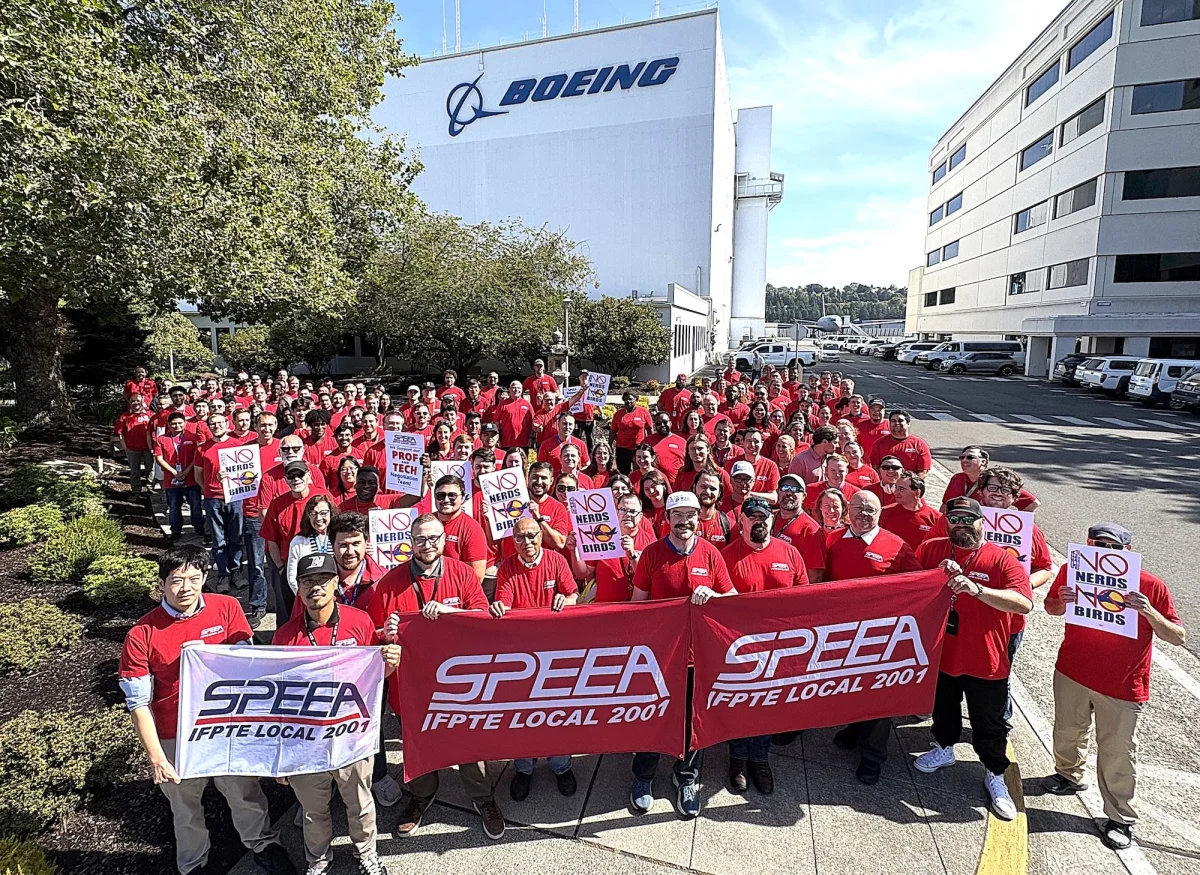
Boeing Tightens Spending Ahead of Critical SPEEA Union Vote
Boeing has implemented spending controls and a hiring freeze as it faces a critical contract ratification vote with its 17,000-member engineering union.

Boeing CEO Kelly Ortberg Warns of 777X Certification Delay
Boeing CEO Kelly Ortberg warned that a potential strike by 17,000 engineers would immediately halt the 777X certification and production programs.
American and United Plan Capacity Cuts Amid Fuel Cost Surge
American and United are trimming flight schedules to offset a $1 billion fuel cost spike while maintaining strong pricing power.
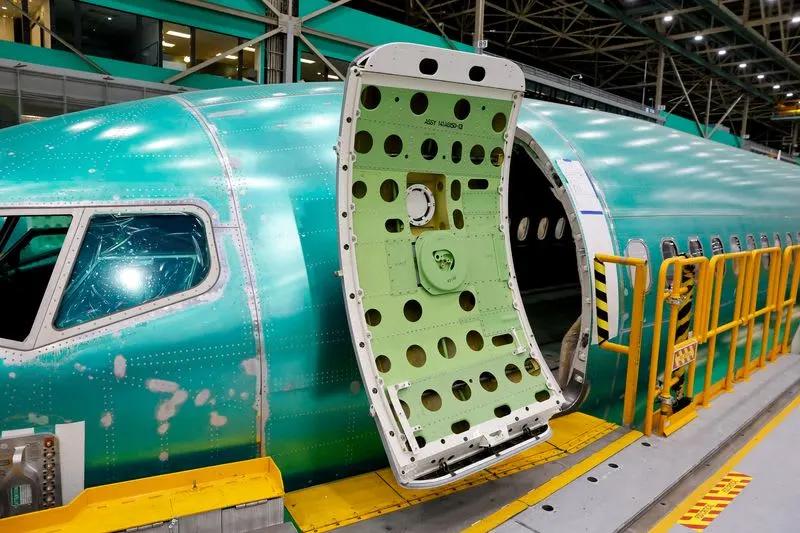
Boeing CEO Reports 737 MAX Output Stabilization Delays
Boeing CEO Kelly Ortberg reports slower 737 MAX production stabilization, prompting a downward revision in 2026 free cash flow expectations to $2 billion.
Boeing Finalizes KAL Order, Salvages Turkish Airlines Deal
Boeing secured a $36.2 billion order from Korean Air Lines for 103 aircraft and nears a resolution on a 150-jet deal with Turkish Airlines.
Airbus Forecasts 42,000 New Jets Amid Strong Global Demand
Airbus expects 42,000 new aircraft deliveries globally by 2045, with 45% of demand concentrated in the Asia-Pacific region.