Five Flights Divert from Tenerife North Due to Low Fog

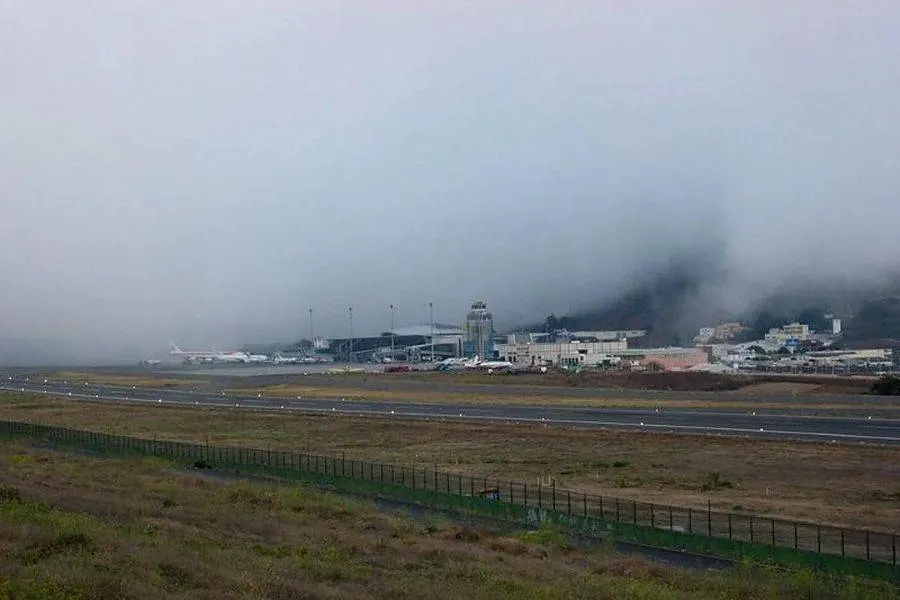
Five flights diverted from Tenerife North to Tenerife South on Wednesday due to low visibility, forcing operational shifts at the high-elevation hub.
Key Takeaways
- •Five flights diverted from Tenerife North to Tenerife South on Wednesday.
- •Low visibility triggered mandatory safety protocols at the 2,077-foot airport.
- •Aena managed the redirection of inter-island and mainland Spanish services.
- •Tenerife South serves as the primary diversion hub for regional traffic.
Operational Disruptions at TFN
Five flights scheduled to land at Tenerife North–Ciudad de La Laguna Airport (TFN), historically known as Los Rodeos, were diverted to Tenerife South–Reina Sofía Airport (TFS) on Wednesday morning. The diversions occurred as Tenerife North flight diversions became necessary due to dense fog and poor visibility, which disrupted operations at the high-elevation facility. According to Aeropuertos Españoles y Navegación Aérea (Aena), the state-owned operator managing the site, the aircraft were unable to complete safe landings under existing meteorological conditions.
The affected flights included two arrivals from Lanzarote, one from La Palma, and services originating from mainland Spain, specifically Barcelona and Seville. These Canary Islands flight delays impacted both domestic inter-island traffic and mainland connections, necessitating the activation of standardized safety protocols. Travelers are directed to the official Tenerife North Airport information for real-time updates regarding potential schedule changes.
Geography and Safety Protocols
Los Rodeos airport fog is a well-documented challenge for aviation operators. Situated at an elevation of 2,077 feet (633 meters) above sea level, TFN is prone to sudden orographic fog that frequently triggers Aena weather disruptions. Under Low Visibility Procedures (LVP) mandated by the Agencia Estatal de Seguridad Aérea (AESA) and the European Union Aviation Safety Agency (EASA), flight crews must strictly adhere to certified meteorological minimums for approach and landing. When visibility drops below these thresholds, the Instrument Landing System (ILS) cannot guarantee safe arrival, legally requiring the diversion of traffic to an alternate airport.
For regional carriers such as Binter Canarias and Canaryfly, these events cause significant operational friction. The diversion of aircraft to TFS, which sits at an elevation of 209 feet, forces a 60-kilometer road transit for passengers and disrupts highly synchronized turnaround schedules. This creates a cascading effect across the inter-island network, increasing fuel burn and requiring ground transportation providers to manage a sudden surge in demand for bus and taxi services at the secondary airport.
TFN vs. TFS: Key Specifications
| Metric | Tenerife North (TFN) | Tenerife South (TFS) |
|---|---|---|
| Elevation | 2,077 ft | 209 ft |
| 2025 Passenger Volume | ~7.2 million | ~14.0 million |
| Runway Length | 3,171 m | 3,200 m |
Historical Context and Industry Redundancy
Aviation infrastructure in the Canary Islands relies on multi-airport redundancy to maintain connectivity. The strategic use of TFS as a reliable diversion alternative for TFN is essential for island logistics. Historically, the vulnerability of TFN to weather was underscored by the 1977 Tenerife Airport Disaster, where a collision occurred during dense fog. That event fundamentally changed global aviation safety, leading to the construction of the sea-level TFS facility and the global adoption of modern Crew Resource Management (CRM) standards.
Current Status and Next Steps
Operations at TFN remain subject to real-time weather monitoring. The lifting of LVP restrictions is expected later in the day, pending improvements in local visibility. Aena continues to manage terminal resources at TFS to accommodate the displaced traffic without compromising international operations, as detailed on the official Tenerife South Airport website. Passengers should continue to monitor airline notifications until normal flight patterns are fully restored.
Why This Matters for Island Connectivity
These diversions highlight the inherent risks associated with high-elevation airports situated in complex microclimates. For regional carriers, the reliance on TFN for its proximity to the island's capital is constantly weighed against the operational volatility of its weather. The ability of the Canary Islands to maintain uninterrupted service depends on the seamless coordination between Aena and local ATC to manage these inevitable weather-induced shifts in traffic.
Frequently Asked Questions
- Why are flights frequently diverted from Tenerife North Airport?
- Tenerife North is located at an elevation of 2,077 feet, making it prone to dense orographic fog. This weather often drops visibility below the safety minimums required by Low Visibility Procedures, necessitating diversions to the sea-level Tenerife South airport.
- What is the role of Tenerife South Airport during weather disruptions?
- Tenerife South serves as the primary international gateway and a reliable diversion alternative for Tenerife North. It provides the necessary infrastructure and runway capacity to handle unexpected arrivals when the northern airport is closed due to poor weather.
For global airline trends and commercial aviation news, turn to omniflights.com. Follow aviation sustainability efforts, emissions research, and green initiatives in the Environmental section at omniflights.com/environmental.

Written by Hardik Vishwakarma
Co-Founder & Aviation News Editor leading initiatives that improve trust and visibility across the global aviation industry. Covers airlines, airports, safety, and emerging technology.
Visit ProfileYou Might Also Like
Boeing 737-10 Certification Moves Ahead After FAA Review
Army Report: Faulty Black Hawk Caused 67-Death DC Collision
Airline CEOs Address Flydubai Cockpit Attack Security
Saudia A320 Destroyed in Riyadh Airport Missile Strike
Saudi Arabia Opens Probe Into Flydubai Cockpit Attack