Finnair Orders Embraer E195-E2s for Narrowbody Fleet Renewal

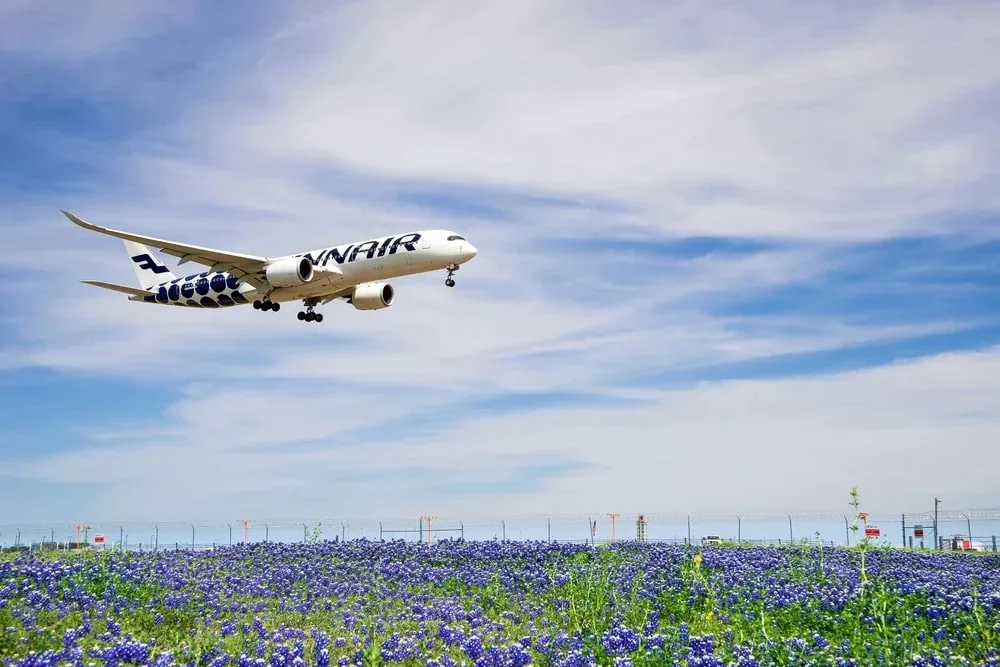
Finnair orders 18 Embraer E195-E2 jets and up to 12 used A320ceos to modernize its narrowbody fleet and improve fuel efficiency.
Key Takeaways
- •Orders 18 firm Embraer E195-E2 aircraft with options for an additional 28 jets.
- •Plans to acquire up to 12 used Airbus A320/321ceo aircraft for flexible capacity.
- •Targets Q3 2027 for first E195-E2 delivery to improve fuel efficiency by over 30%.
- •Modernizes regional fleet operated by partner Nordic Regional Airlines (Norra).
Finnair has initiated a significant narrowbody fleet renewal program, placing a firm order for 18 Embraer 195 E-Jet Second Generation (E195-E2) aircraft. The agreement, confirmed in a joint press release on March 23, 2026, also includes options for an additional 16 aircraft and 12 purchase rights. This move is part of a dual strategy that will also see the airline acquire up to 12 used Airbus A320/A321 Current Engine Option (A320/321ceo) aircraft to balance capacity growth with capital efficiency.
The Finnair narrowbody fleet renewal addresses the airline's need for modern, fuel-efficient aircraft on its short-haul network. The new Embraer E195-E2 order, a major win for the Brazilian manufacturer in the European market, will be operated by Finnair's regional partner, Nordic Regional Airlines (Norra). This decision underscores a broader airline fleet modernization trend focused on reducing operational costs and environmental impact.
Fleet Modernization Details
According to the agreement, deliveries of the E195-E2 are scheduled to commence in the third quarter of 2027. Finnair expects to receive three aircraft in 2027, followed by six in 2028 and the final nine of the firm order in 2029. The aircraft will be configured with 134 seats in a two-by-two layout, ensuring no middle seats for passengers. They will be powered by Pratt & Whitney PW1900G Geared Turbofan (GTF) engines, which are central to the aircraft's efficiency gains.
Embraer's press release highlights that the E195-E2 offers over a 30% improvement in fuel efficiency per seat compared to the first-generation E190-E1 aircraft it will replace. This performance is a key factor in Finnair's decision, aligning with the carrier's corporate climate targets and broader European Union environmental standards for emissions reduction.
In parallel, Finnair’s plan to acquire up to 12 used A320/321ceo aircraft from the secondary market reflects a pragmatic approach to managing fleet growth. This strategy allows the airline to add capacity more quickly and with lower capital outlay than ordering new-build Airbus A320neo family aircraft, providing crucial flexibility in a dynamic market.
Technical Comparison: E195-E2 vs. E190-E1
| Metric | Embraer E195-E2 | Embraer E190-E1 |
|---|---|---|
| Fuel Efficiency | >30% better per seat | Baseline |
| Seating Capacity | 134 seats (Finnair config) | 100-114 seats |
| Engine | Pratt & Whitney PW1900G GTF | GE CF34-10E |
Market Context and Stakeholder Impact
Finnair's decision reflects a common industry trend where airlines source used aircraft to bridge capacity gaps and manage costs. This contrasts with recent large-scale renewals at other European carriers. For instance, in December 2021, Air France-KLM ordered 100 new A320neo family aircraft, while SAS standardized its narrowbody fleet with A320neos between 2018 and 2021. Finnair's mixed-fleet approach balances new technology with cost control.
Finnair CEO Turkka Kuusisto stated that the mix of new and used aircraft "optimally supports our growth and profitability targets while reducing our CO2 footprint." Arjan Meijer, President and CEO of Embraer Commercial Aviation, noted the E195-E2's efficiency and comfort as key drivers for modernizing short-haul fleets.
The order has significant impacts on several stakeholders. For Embraer, it secures a crucial European order, boosting its 2026 backlog. Pratt & Whitney gains a long-term engine and maintenance contract for the PW1900G engines. For Airbus, while it misses out on the regional jet order, it sees continued demand for its A320ceo aircraft on the active secondary market.
What Comes Next
Based on confirmations from Finnair and Embraer, the fleet renewal will proceed along a clear timeline:
- 2026-2028: Finnair is expected to acquire the used A320/321ceo aircraft.
- Q3 2027: The first three E195-E2 aircraft are confirmed for delivery.
- 2028: A second batch of six E195-E2 aircraft will be delivered.
- 2029: The final six aircraft from the firm order are scheduled to arrive.
The integration of these aircraft will require pilot and crew training at Norra for the new E2 platform. The execution of the 16 options and 12 purchase rights will depend on Finnair's future growth and market conditions.
Why This Matters
This dual-track fleet renewal strategy positions Finnair to enhance its competitive standing in the Nordic region. The move demonstrates a sophisticated approach to balancing immediate capacity needs and cost management with long-term environmental and efficiency goals. For the manufacturing sector, it reinforces the Embraer E2 family's strong position in the regional jet market and highlights the continued value of previous-generation narrowbodies in the secondary leasing market.
Frequently Asked Questions
- What new aircraft did Finnair order for its fleet?
- Finnair placed a firm order for 18 Embraer E195-E2 aircraft, with options and purchase rights for an additional 28. These new-generation regional jets will be operated by its partner, Nordic Regional Airlines, and are set for delivery starting in Q3 2027.
- Why is Finnair also buying used Airbus aircraft?
- Finnair plans to acquire up to 12 used Airbus A320/321ceo aircraft to balance capital expenditure with its immediate capacity needs. This strategy provides greater cost efficiency and fleet flexibility compared to ordering new aircraft for this part of its fleet.
- How much more efficient is the new Embraer E195-E2?
- According to Embraer, the E195-E2 offers over a 30% improvement in fuel efficiency per seat compared to the previous generation E190-E1 aircraft. This significant reduction in fuel burn helps Finnair meet its environmental and cost-saving targets.
Stay ahead of the airline industry with commercial aviation news from omniflights.com. Track policy changes, airspace rules, and global aviation governance in the Regulatory category at omniflights.com/regulatory.

Written by Hardik Vishwakarma
Co-Founder & Aviation News Editor leading initiatives that improve trust and visibility across the global aviation industry. Covers airlines, airports, safety, and emerging technology.
Visit ProfileYou Might Also Like

Dubai Aerospace Enterprise Completes United Airlines Lease

RTX Reports Record $340B Backlog and Strong Q3 2026 Growth

Boeing 737 MAX Litigation Nears Resolution in Chicago
Qatar Airways Enters Japanese JOLCO Financing Market
United Nigeria Airlines Plans N20bn Commercial Paper Debt