Bangladesh Explores Boeing 737 Leases to Address Fleet Shortage

Co-Founder & CEOAviation News Editor delivering trusted coverage across the global aviation industry.
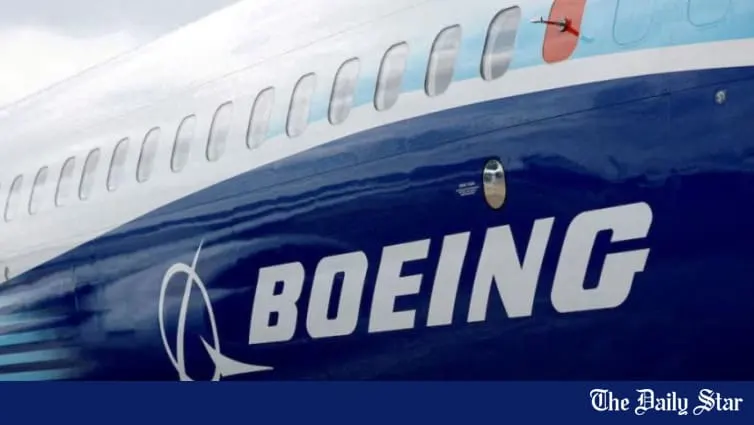
Bangladesh's government is in talks with Boeing to lease B737s, aiming to bridge a five-year capacity gap for Biman Bangladesh Airlines.
Key Takeaways
- •Discusses leasing Boeing 737s to bridge a five-year fleet capacity gap.
- •Operates with 14 aircraft against an estimated demand for 30-35.
- •Follows an in-principle approval for a potential $3.7 billion, 14-aircraft order from Boeing.
- •Aims to avoid repeating past financial losses from a problematic 2014 aircraft lease.
Bangladesh's Ministry of Civil Aviation and Tourism has entered discussions with Boeing to explore leasing aircraft, a strategic move aimed at addressing the country's escalating aviation demand. The talks, focused on the Boeing 737 (B737) series, are intended to provide a near-term solution for the national carrier, Biman Bangladesh Airlines (Biman), which faces a significant capacity shortfall.
The discussions signal an urgent need to expand the national fleet. Biman currently operates with approximately 14 aircraft, a figure significantly lower than the estimated 30 to 35 aircraft required to service growing domestic and international routes. This leasing initiative is designed as a stopgap measure to bridge a potential five-year gap before new, permanently acquired aircraft are delivered.
High-Level Discussions
The government's interest was formally conveyed during a meeting between Boeing Vice President Paul Righi and Civil Aviation and Tourism Minister Afroza Khanam. State Minister M Rasheduzzaman Millat was also present. According to official statements, the dialogue covered potential agreements between the manufacturer and Bangladesh's interim government, with a specific focus on dry leasing narrow-body aircraft to satisfy immediate operational requirements.
Boeing expressed its readiness to supply B737s, while the minister emphasized the need to expedite the leasing process. This urgency is underscored by the interim government's previous in-principle approval to acquire 14 new Boeing aircraft, a deal valued at an estimated $3.7 billion at list prices. However, with delivery timelines for new jets extending up to five years, leasing has become a critical component of the country's aviation strategy. State Minister M Rashiduzzaman Millat confirmed this approach, stating, "To ensure smooth operations during this period, we are planning to lease aircraft, preferably through dry leasing."
Strategic Context and Past Challenges
This initiative aligns with a broader industry trend where airlines increasingly rely on dry leasing to mitigate long aircraft production backlogs at major manufacturers. The push also reflects a wider fleet modernization and expansion effort across South Asia, driven by a post-pandemic recovery in passenger traffic and regional economic growth.
However, Bangladesh's history with aircraft leasing carries cautionary lessons. In 2014, Biman's lease of two Boeing 777s from EgyptAir led to significant financial losses and operational disruptions due to frequent engine failures. The experience, which prompted a parliamentary investigation, highlights the inherent operational and financial risks of leasing and likely informs the current government's preference for a more controlled dry-leasing arrangement, where Biman would provide its own crew.
Any leased aircraft inducted into the fleet must receive certification from the Civil Aviation Authority of Bangladesh (CAAB), which oversees compliance with national safety and maintenance standards.
Technical Analysis
The turn towards Boeing for both short-term leases and a long-term purchase order represents a significant strategic decision. It positions the American manufacturer favorably against its primary competitor, Airbus, in a key emerging market. For Biman Bangladesh Airlines, securing reliable narrow-body aircraft like the B737 would immediately boost capacity on crucial short- to medium-haul routes, improving connectivity for Bangladeshi air passengers.
The five-year leasing window directly corresponds to the long lead times for new aircraft deliveries, which have been exacerbated by global supply chain issues. This approach allows the airline to generate revenue and build market share while waiting for its permanent fleet renewal to materialize. The decision to pursue dry leasing suggests a desire for greater operational control compared to past wet-leasing agreements, aiming to avoid a repeat of the costly 2014 EgyptAir deal.
What Comes Next
Following the initial high-level talks, the next steps involve formalizing a concrete proposal and negotiating terms. A final agreement between Boeing and the Bangladesh government for the leased aircraft is expected to be finalized in Q3 or Q4 2026.
Looking further ahead, the long-term fleet expansion plan remains on a more distant timeline. The first delivery from the potential purchase of 14 new Boeing aircraft is not expected until October 2031. This extended timeline reinforces the critical importance of the current leasing negotiations for the airline's immediate future.
Why This Matters
This development is significant as it highlights a critical fleet management strategy being deployed by national carriers in growing markets. For Bangladesh, securing these aircraft is essential for economic development and maintaining international connectivity. For Boeing, this potential lease and subsequent purchase order represents a key competitive win in South Asia, securing a long-term partnership with a national flag carrier.
Frequently Asked Questions
- Why is Biman Bangladesh Airlines considering leasing Boeing 737 aircraft?
- Biman Bangladesh Airlines is leasing aircraft to address an immediate and significant capacity shortage. The airline currently operates with around 14 aircraft but requires an estimated 30 to 35 to meet growing passenger demand, and new aircraft deliveries can take up to five years.
- What is the long-term fleet plan for Bangladesh's national carrier?
- Beyond the immediate leasing strategy, Bangladesh's interim government has given in-principle approval for the acquisition of 14 new Boeing aircraft. This potential order is valued at approximately $3.7 billion, with the first deliveries not expected until 2031.
For in-depth airline coverage and commercial aviation news, omniflights.com delivers timely industry insights. Follow aviation sustainability efforts, emissions research, and green initiatives in the Environmental section at omniflights.com/environmental.

Written by Hardik Vishwakarma
Co-Founder & Aviation News Editor leading initiatives that improve trust and visibility across the global aviation industry. Covers airlines, airports, safety, and emerging technology.
Visit ProfileYou Might Also Like
Discover more aviation news based on similar topics
US Slows Aircraft-Part Exports to China Amid Trade Truce
The US is slowing export licenses for aircraft parts to China, using aviation dependencies as leverage in ongoing trade negotiations.
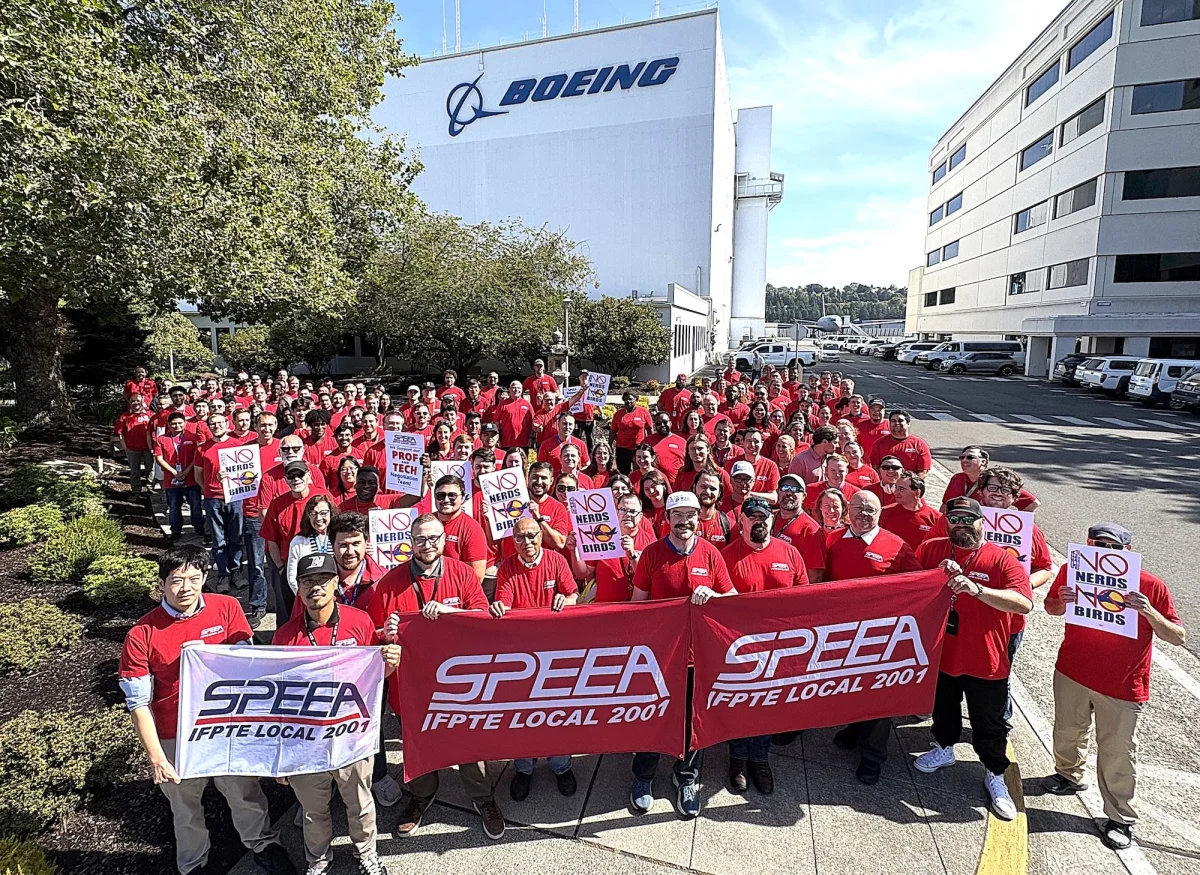
Boeing Tightens Spending Ahead of Critical SPEEA Union Vote
Boeing has implemented spending controls and a hiring freeze as it faces a critical contract ratification vote with its 17,000-member engineering union.

Boeing CEO Kelly Ortberg Warns of 777X Certification Delay
Boeing CEO Kelly Ortberg warned that a potential strike by 17,000 engineers would immediately halt the 777X certification and production programs.
American and United Plan Capacity Cuts Amid Fuel Cost Surge
American and United are trimming flight schedules to offset a $1 billion fuel cost spike while maintaining strong pricing power.
Boeing CEO Reports 737 MAX Output Stabilization Delays
Boeing CEO Kelly Ortberg reports slower 737 MAX production stabilization, prompting a downward revision in 2026 free cash flow expectations to $2 billion.
Boeing Finalizes KAL Order, Salvages Turkish Airlines Deal
Boeing secured a $36.2 billion order from Korean Air Lines for 103 aircraft and nears a resolution on a 150-jet deal with Turkish Airlines.