United Airlines Launches Tiered Fares for Polaris and Premium Plus Cabins

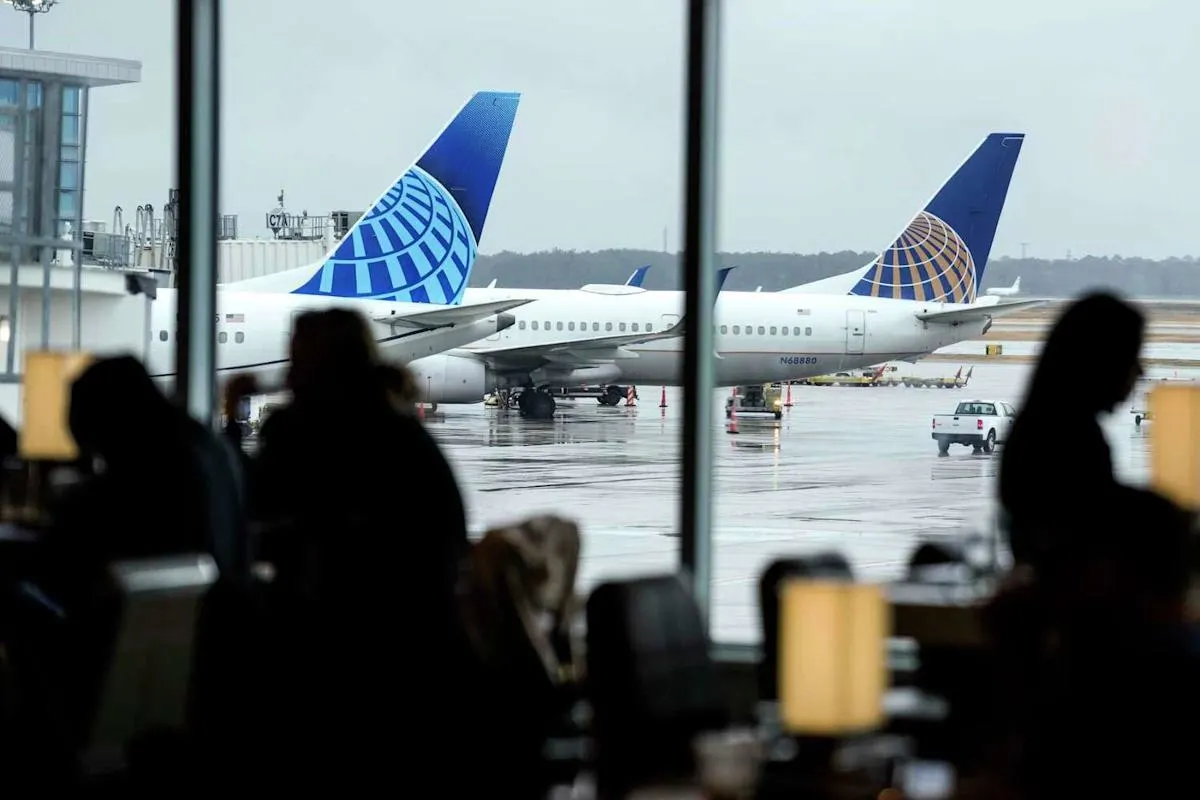
United Airlines will introduce new 'Base' fares for its Polaris and Premium Plus cabins, offering lower prices by unbundling perks like lounge access.
Key Takeaways
- •Introduces three-tiered 'Base', 'Standard', and 'Flexible' fares for Polaris and Premium Plus.
- •Restricts 'Base' Polaris passengers to one checked bag and United Club access, removing Polaris Lounge entry.
- •Targets premium leisure travelers willing to trade flexibility and perks for a lower seat price.
- •Follows the successful industry precedent of unbundling main cabin 'Basic Economy' fares.
United Airlines has announced a significant shift in its premium cabin pricing strategy, introducing a new three-tiered fare structure for its United Polaris business class and United Premium Plus premium economy products. According to an airline press release on April 3, 2026, the new system, set to launch this month, will offer passengers a choice between 'Base', 'Standard', and 'Flexible' fares, effectively unbundling the premium travel experience.
The move applies the 'basic economy' model, which has been successful in the main cabin for years, to the front of the aircraft. This strategy is designed to capture a growing segment of premium leisure travelers who prioritize a lie-flat seat or extra legroom but are willing to forgo traditional business class amenities like lounge access, full baggage allowances, and ticket flexibility in exchange for a lower price point. This allows the airline to better monetize seats that might otherwise go unsold during periods of lower corporate demand.
Details of the New Fare Structure
The core of the new system is the 'Base' fare, which offers the physical seat and basic service at the lowest price while stripping away several key perks. For Polaris business class, passengers on a 'Base' fare will see their checked baggage allowance reduced from two bags to one. A more significant change is the restriction on lounge access; these passengers will be limited to the carrier's network of over 45 United Club locations and will lose access to the six exclusive United Polaris lounges, which offer premium dining and amenities.
Both 'Base' Polaris and 'Base' Premium Plus fares will also come with restrictions common to basic economy, including no advance seat selection and no refunds or changes. The 'Standard' fare will resemble the traditional all-inclusive premium product, while the 'Flexible' fare will add full refundability. According to Andrew Nocella, United's Chief Commercial Officer, "the new tiered options give customers more choice and make it easier to find a fare that includes the benefits they want most." The airline must clearly disclose all restrictions during booking to comply with consumer protection rules from the U.S. Department of Transportation (DOT).
Impact on Travelers and Corporations
The introduction of these fares will have distinct impacts on different traveler segments. Leisure travelers stand to benefit from access to premium cabin comfort at a more accessible price. However, the lack of flexibility and refunds on 'Base' fares presents a significant trade-off.
For corporate travel managers, the new structure creates a challenge. The non-refundable and inflexible nature of 'Base' fares often conflicts with corporate travel policies, which require the ability to change or cancel bookings. As a result, many corporate travel programs may need to update their booking tools to block these new fare types to avoid compliance issues and potential financial losses from unused tickets. This could lead to a clear segmentation where 'Base' fares are primarily purchased by leisure flyers, while business travelers continue to book 'Standard' or 'Flexible' options.
A Broader Industry Trend
United's decision is not happening in a vacuum but is part of a wider industry trend of unbundling premium cabins to maximize revenue. Airlines are increasingly focused on monetizing the high demand for premium comfort by micro-segmenting their products. This strategy allows them to fill seats that might otherwise be empty by appealing to different price sensitivities.
This approach mirrors a successful historical precedent for the airline. In February 2017, United introduced Basic Economy for its main cabin, a move that was initially met with criticism but ultimately led to widespread industry adoption and a significant increase in ancillary revenue. The carrier is now applying that same proven strategy to its most expensive seats. Other airlines are following similar paths; Delta Air Lines introduced a 'Basic' version of its extra-legroom Comfort+ seats in late 2023, removing flexibility and seat selection to create a lower price point.
Technical Analysis
This development indicates a maturation of airline revenue management strategies, moving beyond simple supply-and-demand pricing to a sophisticated model of feature-based segmentation. By unbundling the premium product, United can more accurately price the core component—the physical seat—and sell ancillary services and flexibility separately. This aligns with the structural shift in travel demand post-pandemic, which has seen a resilient and growing premium leisure segment. The strategy directly follows the trajectory set by the successful unbundling of the main cabin, suggesting that airlines now see an opportunity to apply this powerful revenue-generating tool across the entire aircraft. While it offers more choice, some travel analysts argue it could also function as a disguised price increase if the new, stripped-down 'Base' fare is priced similarly to the old all-inclusive fare.
Implementation and Future Outlook
United has confirmed the initial launch of its tiered premium fares in select markets will begin in April 2026. Following this introductory phase, the airline is expected to expand the new fare structure across additional long-haul routes throughout late 2026. The success of this rollout will be closely watched by competitors, who may accelerate their own plans for premium cabin unbundling if United demonstrates significant revenue gains.
Why This Matters
This strategic shift by United Airlines further blurs the lines between traditional fare classes and represents a new chapter in airline merchandising. It signals that carriers are increasingly viewing every component of the travel experience as a separately monetizable product. For passengers, this means more choice but also more complexity, requiring careful attention to fare rules to avoid unexpected restrictions or fees.
Frequently Asked Questions
- What is United Airlines' new Polaris 'Base' fare?
- The Polaris 'Base' fare is a new, lower-priced business class ticket that unbundles traditional perks. It includes the lie-flat seat but removes benefits like Polaris Lounge access, a second checked bag, and the ability to change or refund the ticket.
- Do United Polaris Base fare passengers get lounge access?
- Yes, but it is restricted. Passengers with a Polaris 'Base' fare can access the standard United Clubs but are not permitted to use the exclusive United Polaris lounges, which are reserved for those on 'Standard' and 'Flexible' fares.
- Why is United creating a 'basic' version of its business class?
- United is applying its successful 'basic economy' model to premium cabins to attract a growing market of leisure travelers. These customers are willing to pay for the comfort of a lie-flat seat but will trade perks like lounge access and flexibility for a lower ticket price.
For in-depth airline coverage and commercial aviation news, omniflights.com delivers timely industry insights. Follow aviation sustainability efforts, emissions research, and green initiatives in the Environmental section at omniflights.com/environmental.

Written by Hardik Vishwakarma
Co-Founder & Aviation News Editor leading initiatives that improve trust and visibility across the global aviation industry. Covers airlines, airports, safety, and emerging technology.
Visit ProfileYou Might Also Like
American Airlines Eyes Starlink for Boeing 737, 777, 787
US Slows Aircraft-Part Exports to China Amid Trade Truce
Boeing Tightens Spending Ahead of Critical SPEEA Union Vote
Boeing CEO Kelly Ortberg Warns of 777X Certification Delay
American and United Plan Capacity Cuts Amid Fuel Cost Surge