Airlines Cut Global Flights as Jet Fuel Shortages Intensify

Co-Founder & CEOAviation News Editor delivering trusted coverage across the global aviation industry.
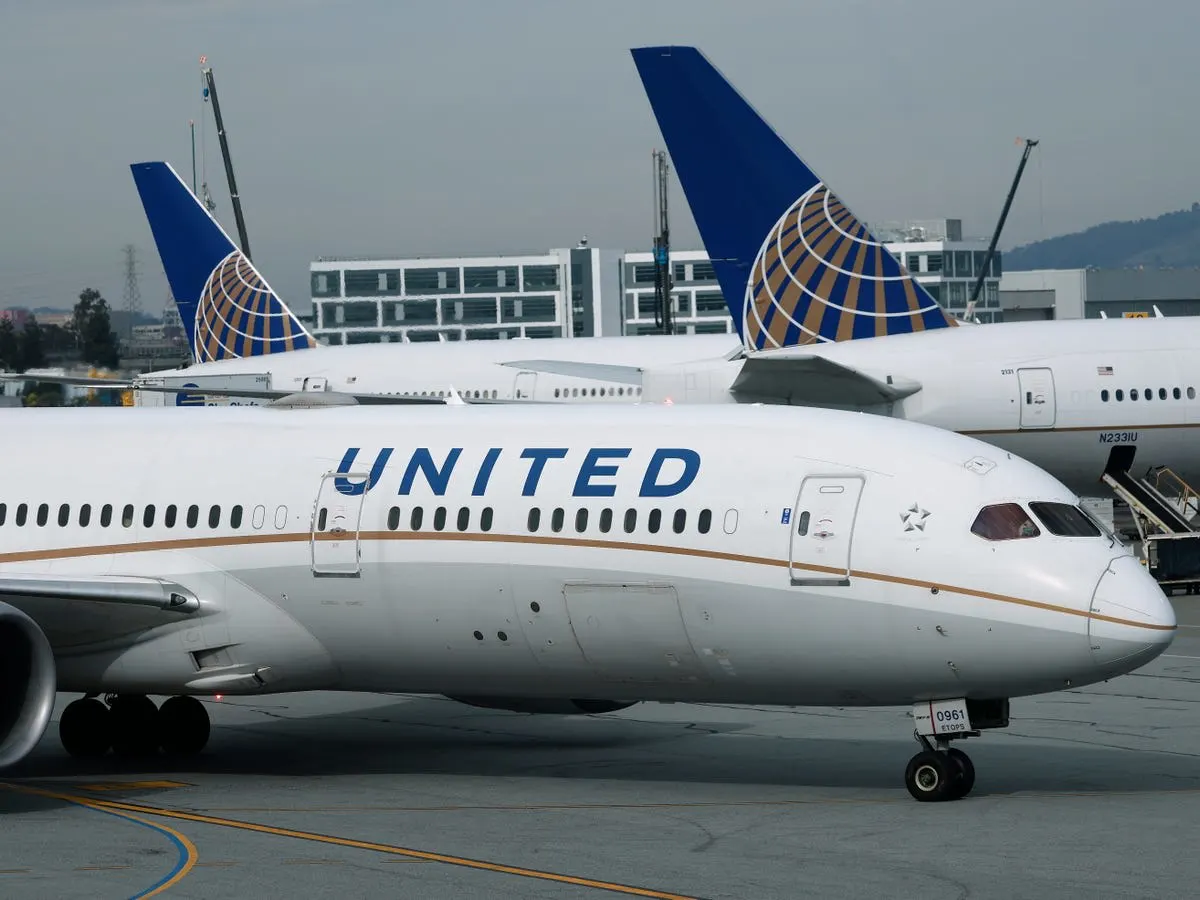
Airlines worldwide are canceling flights as a geopolitical conflict drives jet fuel prices to $195/barrel, creating severe supply shortages.
Key Takeaways
- •Jet fuel prices spike to $195/barrel, up nearly $100 since late February, forcing widespread flight cancellations.
- •Airlines including United, Lufthansa, SAS, and Air New Zealand are cutting capacity, with Lufthansa preparing to ground up to 40 aircraft.
- •International Energy Agency warns physical fuel shortages are spreading from Asia to Europe, with disruptions expected by May 2026.
- •United Airlines faces a potential $11 billion annual increase in fuel expenses, prompting 'tactical pruning' of unprofitable routes.
Airlines across the globe are beginning to cancel flights as a severe aviation fuel crisis, driven by geopolitical conflict, transitions from a price shock to a physical supply shortage. The price of jet fuel surged to $195 per barrel at the end of March 2026, an increase of nearly $100 since late February. This spike is forcing carriers to make drastic cuts to their schedules as securing fuel becomes increasingly difficult.
The crisis stems from a conflict involving the US, Israel, and Iran, which has disrupted critical supply chains and trapped oil in Middle Eastern storage facilities. The resulting scarcity has pushed crude oil prices past $100 a barrel, with jet fuel seeing a disproportionate impact due to its specialized storage and refining requirements. This is no longer just a financial challenge managed by hedging; it is now an operational crisis of fuel availability, forcing airlines to ground aircraft.
Global Impact and Airline Responses
The impact is being felt globally, with airline executives shifting from managing costs to managing physical supply. According to Fatih Birol, Executive Director of the International Energy Agency (IEA), the loss of oil supply in April will be double that of March. He warned that the jet fuel scarcity already seen in Asia is expected to reach Europe by May or June. June Goh, a senior oil market analyst at Sparta Commodities, noted that jet fuel's specialized storage needs mean reserves are lower than for other refined products like gasoline, making the aviation sector particularly vulnerable.
Major carriers have begun announcing significant capacity reductions:
- Lufthansa: A spokesperson confirmed the German carrier is developing crisis response plans that could involve grounding up to 40 aircraft to cope with potential shortages.
- United Airlines: In a memo to staff, CEO Scott Kirby announced the airline would be "tactically pruning flying that's temporarily unprofitable." The cuts will target off-peak and red-eye flights. Kirby highlighted the financial strain, stating that current prices would add $11 billion in annual fuel expenses—more than double the airline's best-ever annual profit.
- Scandinavian Airlines (SAS): The flag carrier for Denmark, Norway, and Sweden is cutting approximately 1,000 flights, primarily affecting short-haul routes within the Nordic region. The airline cited the sharp increase in fuel costs as the primary driver.
- Ryanair: CEO Michael O'Leary stated that while the airline does not expect disruptions until early May, it runs a significant risk of supply issues in Europe if the conflict continues into the summer.
- Air New Zealand: The carrier announced it would cut its schedule by about 5%, or roughly 1,100 flights, beginning in May. The reductions will focus on off-peak services and routes where passengers can be re-accommodated.
- Vietnam Airlines: The Vietnamese flag carrier suspended seven domestic routes from April 1 and is prepared to slash flight volume by 10% to 20% if fuel prices remain in the $160-$200 per barrel range. Other local carriers, including Vietjet Air and Bamboo Airways, are also reducing flights.
These cancellations are not merely cost-saving measures but are also driven by regulatory requirements. Under rules like 14 CFR Part 121.639 in the US and EASA CAT.OP.MPA.150 in Europe, airlines must carry mandatory fuel reserves. If physical fuel shortages at an airport prevent a flight from meeting these legal minimums, it cannot be dispatched.
Historical Precedents and Analysis
The current situation echoes previous energy crises that reshaped the aviation industry. The 1973 Oil Crisis led to widespread schedule cuts and accelerated the retirement of fuel-thirsty turbojet aircraft. More recently, the 2008 oil price spike, which saw crude hit $147 per barrel, forced airlines to ground less efficient aircraft, introduce ancillary fees like checked bag charges, and spurred industry consolidation.
This 2026 crisis combines the price shock of 2008 with the physical scarcity of 1973. The industry's response reflects lessons learned, with carriers using data-driven
Frequently Asked Questions
- Why are so many airlines canceling flights in 2026?
- Airlines are canceling flights due to a severe jet fuel crisis caused by a geopolitical conflict in the Middle East. The crisis has driven jet fuel prices to $195 per barrel and created physical supply shortages at airports globally, making it impossible for some carriers to operate their full schedules.
- Which airlines are most affected by the jet fuel shortage?
- Major carriers globally are affected. Specific actions include Scandinavian Airlines cutting 1,000 flights, United Airlines reducing its schedule, Lufthansa preparing to ground 40 aircraft, and Air New Zealand cutting 5% of its flights. Airlines in Asia, like Vietnam Airlines, are also suspending routes.
- How much has the price of jet fuel increased?
- According to energy data firm Argus Media, the price of jet fuel reached $195 per barrel at the end of March 2026. This represents an increase of nearly $100 per barrel since the conflict began at the end of February.
omniflights.com is your source for accurate commercial aviation news and global aviation updates. Get the latest updates on major hubs, regional terminals, and airport operations via the Airports section at omniflights.com/airports.

Written by Hardik Vishwakarma
Co-Founder & Aviation News Editor leading initiatives that improve trust and visibility across the global aviation industry. Covers airlines, airports, safety, and emerging technology.
Visit ProfileYou Might Also Like
Discover more aviation news based on similar topics
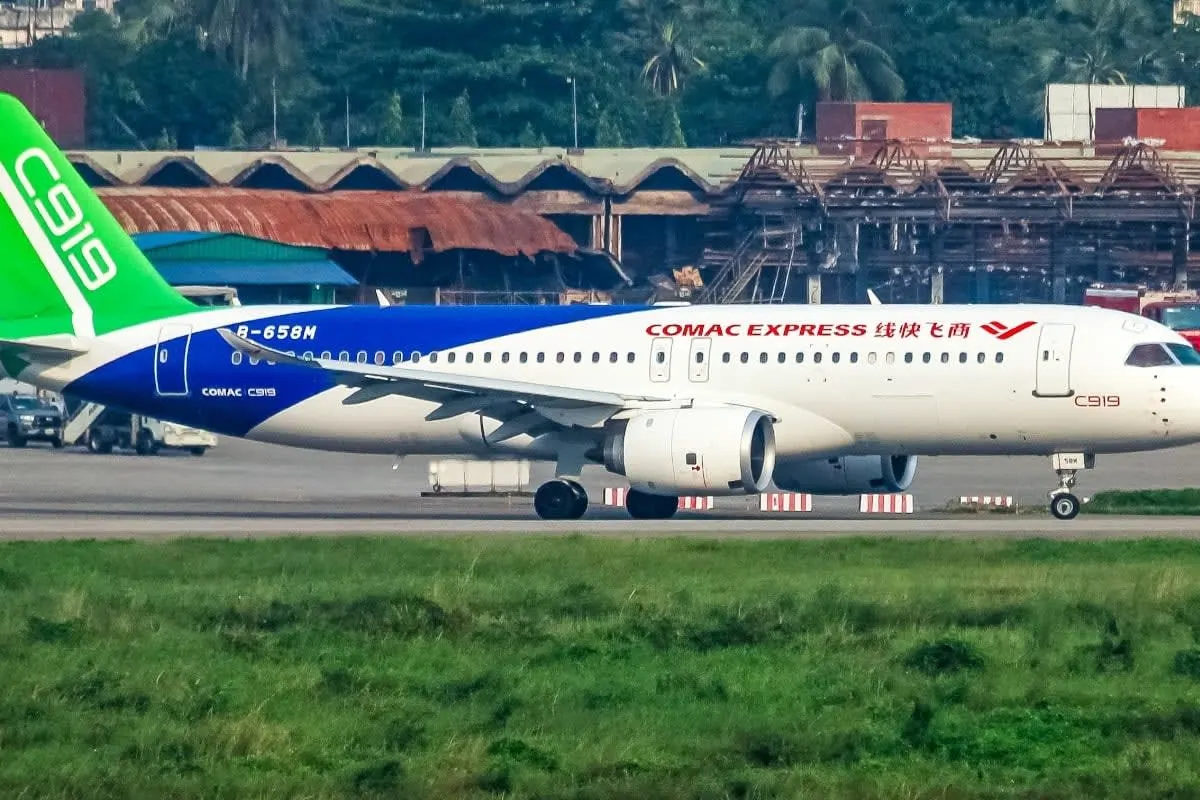
US Slows Aircraft-Part Exports to China Amid Trade Truce
The US is slowing export licenses for aircraft parts to China, using aviation dependencies as leverage in ongoing trade negotiations.
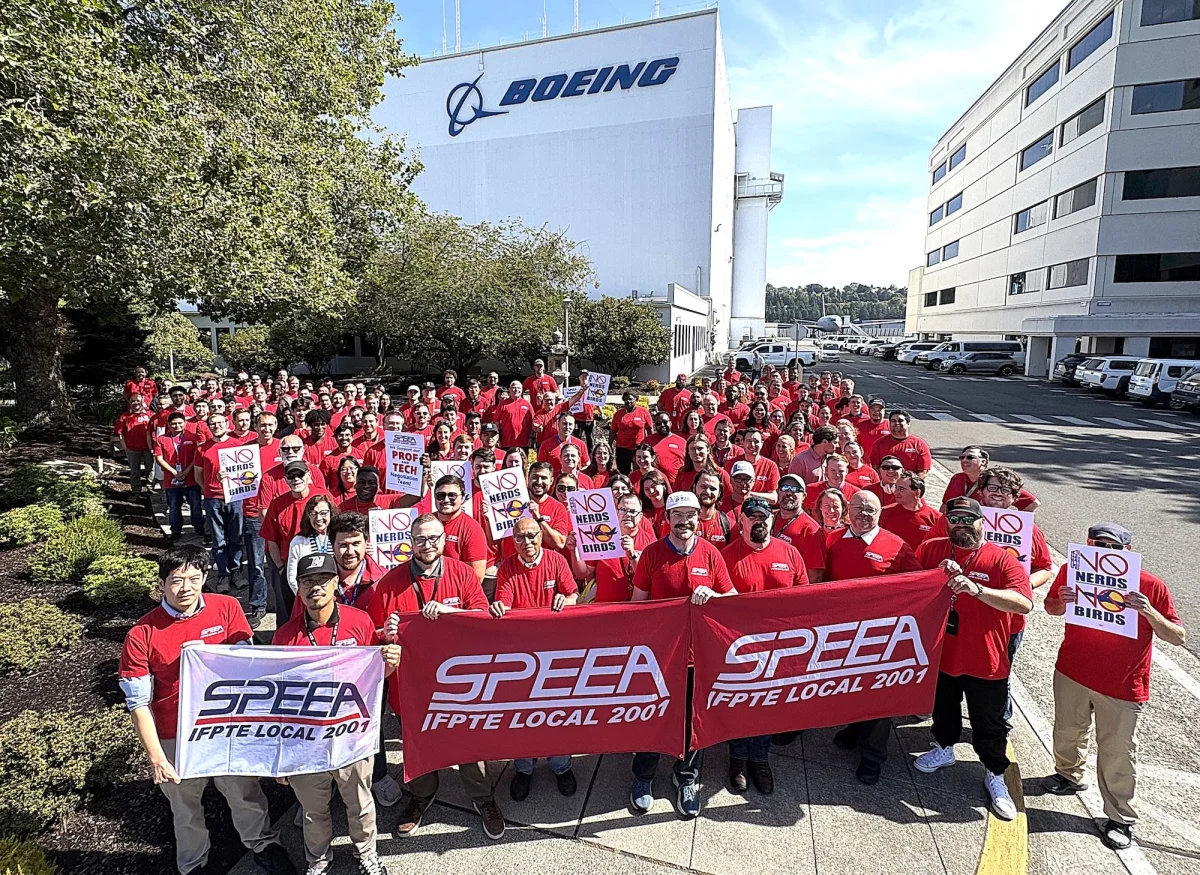
Boeing Tightens Spending Ahead of Critical SPEEA Union Vote
Boeing has implemented spending controls and a hiring freeze as it faces a critical contract ratification vote with its 17,000-member engineering union.

Boeing CEO Kelly Ortberg Warns of 777X Certification Delay
Boeing CEO Kelly Ortberg warned that a potential strike by 17,000 engineers would immediately halt the 777X certification and production programs.
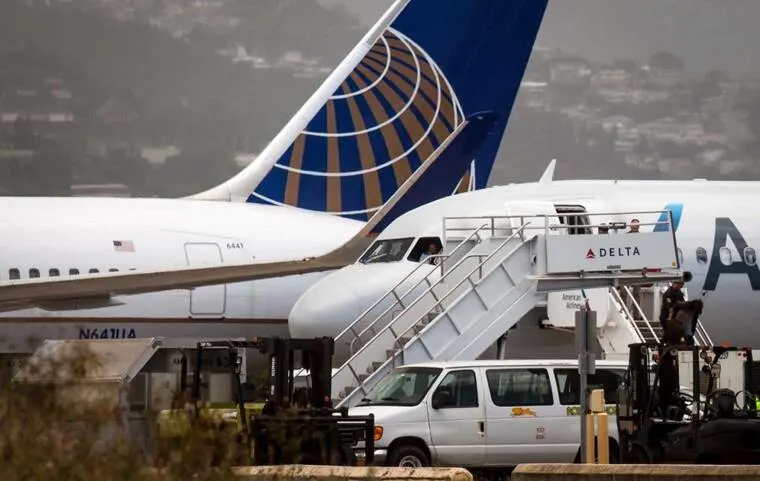
American and United Plan Capacity Cuts Amid Fuel Cost Surge
American and United are trimming flight schedules to offset a $1 billion fuel cost spike while maintaining strong pricing power.
Boeing CEO Reports 737 MAX Output Stabilization Delays
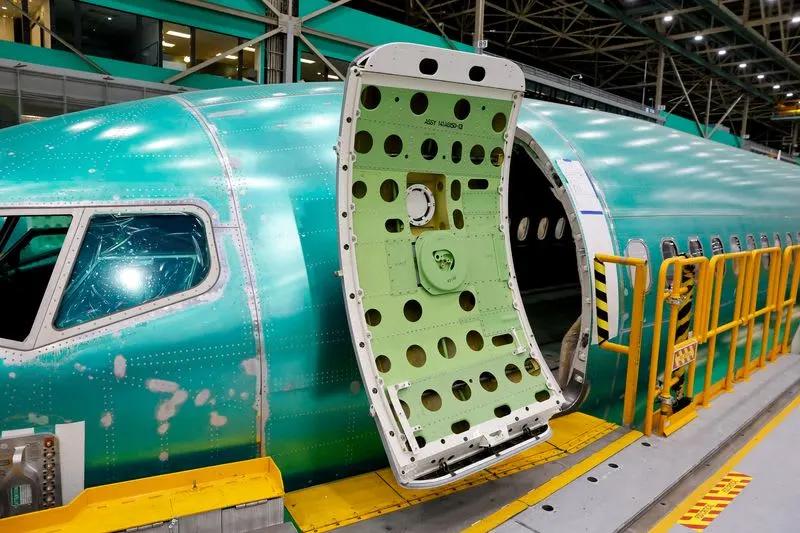
Boeing CEO Kelly Ortberg reports slower 737 MAX production stabilization, prompting a downward revision in 2026 free cash flow expectations to $2 billion.
Boeing Finalizes KAL Order, Salvages Turkish Airlines Deal
Boeing secured a $36.2 billion order from Korean Air Lines for 103 aircraft and nears a resolution on a 150-jet deal with Turkish Airlines.