Fidelity Bank & AFG Launch Leasing to Boost Nigerian Airline Fleets

Co-Founder & CEOAviation News Editor delivering trusted coverage across the global aviation industry.
Fidelity Bank and AFG partner on aircraft leasing for Nigerian carriers, aiming to boost fleets and lower airfares as predicted by the NCAA.
Key Takeaways
- •Partners with Aircraft Finance Germany (AFG) to offer structured aircraft leasing solutions to Nigerian carriers.
- •Projects lower airfares within six months as increased aircraft capacity is expected to drive competition.
- •Leverages Nigeria's improved enforcement of the Cape Town Convention and IDERA protocol to protect lessor assets.
- •Reduces Air Operator Certificate (AOC) processing time from over two years to 6-9 months to attract new airlines.
A new strategic partnership between Nigeria's Fidelity Bank and Frankfurt-based Aircraft Finance Germany (AFG) is set to streamline aircraft leasing for local carriers, a move the nation's top regulator predicts will increase fleet capacity and lower airfares within six months.
The alliance was announced at the inaugural Nigeria Aircraft Acquisition and Investment Summit (NAAIS) 2026 in Lagos. It aims to address a long-standing capital challenge for Nigerian airlines by shifting from costly outright purchases to more flexible leasing models. This development coincides with assurances from the Nigeria Civil Aviation Authority (NCAA) that recent government commitments to protect lessors' assets are paving the way for a significant influx of modern aircraft.
A New Financing Model Emerges
Captain Chris Najomo, Director General of the NCAA, stated that Nigerian carriers will soon receive modern aircraft, boosting the national fleet with types from Embraer, Boeing, and Bombardier. “In the next five, six months, you will see that more aircraft will come in. Better aircraft, modern aircraft will come in,” Najomo said at the summit. He predicted this capacity increase would directly impact ticket prices. “Airfares will come down. It is already coming down. Initially, before, we did not have the capacity. Now, we are having the capacity.”
The partnership between Fidelity Bank and AFG provides the financial architecture to realize this fleet expansion. Stanley Amuchie, Executive Director at Fidelity Bank, described the deal as a fusion of local financial strength with global technical expertise. “By bringing AFG’s sourcing capabilities together with our ability to provide structured finance, we are creating a platform that allows operators to enter the market without the burden of massive upfront capital,” Amuchie explained. “You pay lease rentals, you scale your business, and you own the market.”
This structured leasing model is critical for a market projected to grow from 15–16 million annual passengers to 25.7 million by 2029, according to data from the Ministry of Aviation. Projections from Airbus and Boeing cited at NAAIS 2026 indicate Africa will require over 1,200 new aircraft in the next two decades to meet this rising demand.
Regulatory Reforms Build Lessor Confidence
The foundation for the Fidelity/AFG deal is Nigeria's enhanced enforcement of the Cape Town Convention, an international treaty that protects the rights of aircraft lessors. A key component is the Irrevocable De-Registration and Export Request Authorisation (IDERA), which provides a legal framework for lessors to recover their assets in case of a default. Nigeria's recent moves to fully enforce IDERA have significantly de-risked the market for international financiers and lessors like AFG.
This regulatory certainty was a historical barrier that made lessors hesitant to place high-value assets in the country. The current framework, actively supported by the NCAA, provides the confidence needed for such partnerships to flourish. The NCAA has also worked to streamline its internal processes, reducing the time required to obtain an Air Operator Certificate (AOC) from over two years to between six and nine months, further encouraging new entrants.
Industry Impact and Regional Expansion
The primary beneficiaries of this initiative are Nigerian domestic airlines, which gain access to newer, more fuel-efficient aircraft without depleting capital reserves. This enables them to improve operational reliability and expand their route networks. Captain Najomo noted that Nigerian carriers are now better positioned to explore routes on the West Coast, aligning with the broader goals of the Single African Air Transport Market (SAATM).
For Nigerian air passengers, the expected outcome is increased competition and capacity, which the NCAA predicts will lead to a reduction in airfares. Finally, international aircraft lessors benefit from a newly accessible and de-risked market, backed by the financial guarantees of a major local institution like Fidelity Bank.
However, some industry analysts at NAAIS 2026 cautioned that while financing access is improving, structural challenges such as global supply chain disruptions and multiple government taxes could still temper the pace of fleet modernization and fare reduction.
What Comes Next
Based on the NCAA's timeline, the initial results of these new financing arrangements are expected to become visible in the near future. An influx of modern leased aircraft into the Nigerian market is anticipated in the third and fourth quarters of 2026. This will be accompanied by the issuance of new AOCs to operators in the second half of 2026, as the streamlined certification process takes effect.
Why This Matters
This development signals a maturation of Nigeria's aviation finance ecosystem, moving from high-risk, high-capital models to sophisticated, asset-backed leasing structures common in global markets. The partnership between a domestic bank and an international lessor, underwritten by robust regulatory enforcement, provides a scalable template for fleet renewal across the region. If successful, it could enhance safety, improve service reliability, and make air travel more affordable, unlocking further economic growth in Africa's largest aviation market.
Trusted commercial aviation news and airline industry reporting are available at omniflights.com. Discover how innovation is shaping aviation through aircraft systems, avionics, and digital tools at omniflights.com/technology.
Written by Hardik Vishwakarma
Co-Founder & Aviation News Editor leading initiatives that improve trust and visibility across the global aviation industry. Covers airlines, airports, safety, and emerging technology.
Visit ProfileYou Might Also Like
Discover more aviation news based on similar topics
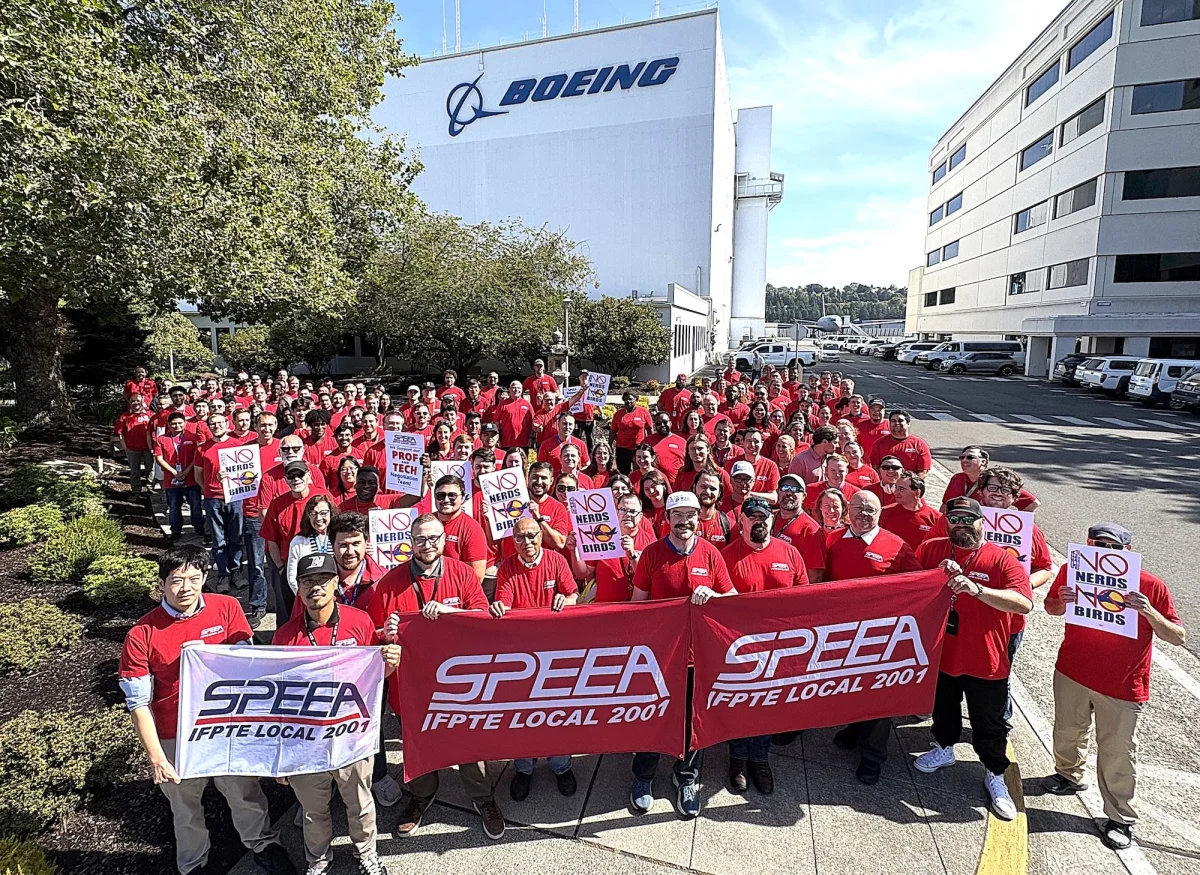
Boeing Tightens Spending Ahead of Critical SPEEA Union Vote
Boeing has implemented spending controls and a hiring freeze as it faces a critical contract ratification vote with its 17,000-member engineering union.

Boeing CEO Kelly Ortberg Warns of 777X Certification Delay
Boeing CEO Kelly Ortberg warned that a potential strike by 17,000 engineers would immediately halt the 777X certification and production programs.
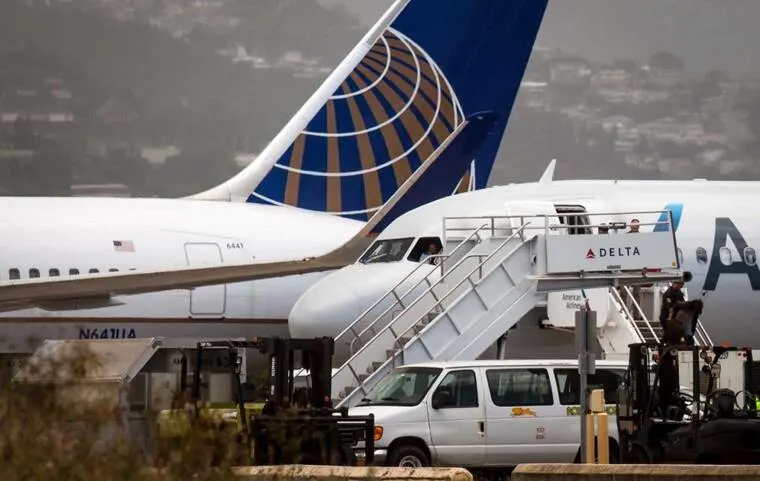
American and United Plan Capacity Cuts Amid Fuel Cost Surge
American and United are trimming flight schedules to offset a $1 billion fuel cost spike while maintaining strong pricing power.
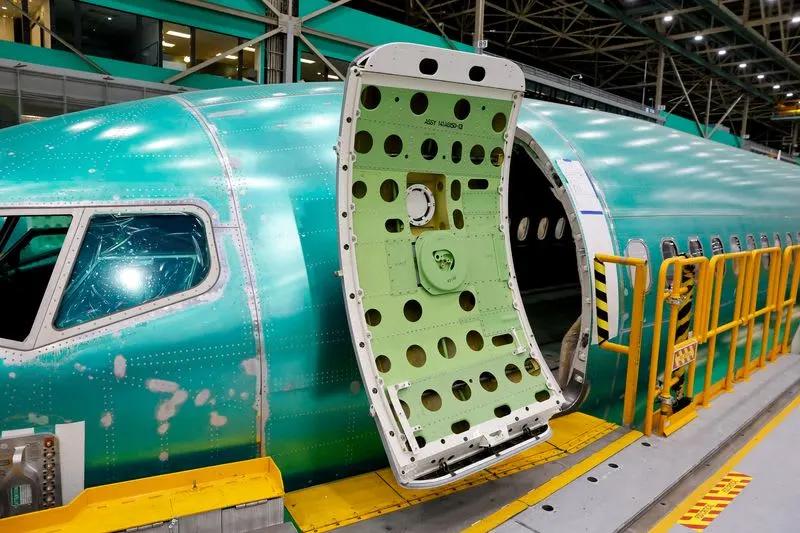
Boeing CEO Reports 737 MAX Output Stabilization Delays
Boeing CEO Kelly Ortberg reports slower 737 MAX production stabilization, prompting a downward revision in 2026 free cash flow expectations to $2 billion.
Boeing Finalizes KAL Order, Salvages Turkish Airlines Deal
Boeing secured a $36.2 billion order from Korean Air Lines for 103 aircraft and nears a resolution on a 150-jet deal with Turkish Airlines.
Airbus Forecasts 42,000 New Jets Amid Strong Global Demand
Airbus expects 42,000 new aircraft deliveries globally by 2045, with 45% of demand concentrated in the Asia-Pacific region.