FBI Seizes 9 Drones in Kansas City World Cup TFR Violations

Co-Founder & CEOAviation News Editor delivering trusted coverage across the global aviation industry.
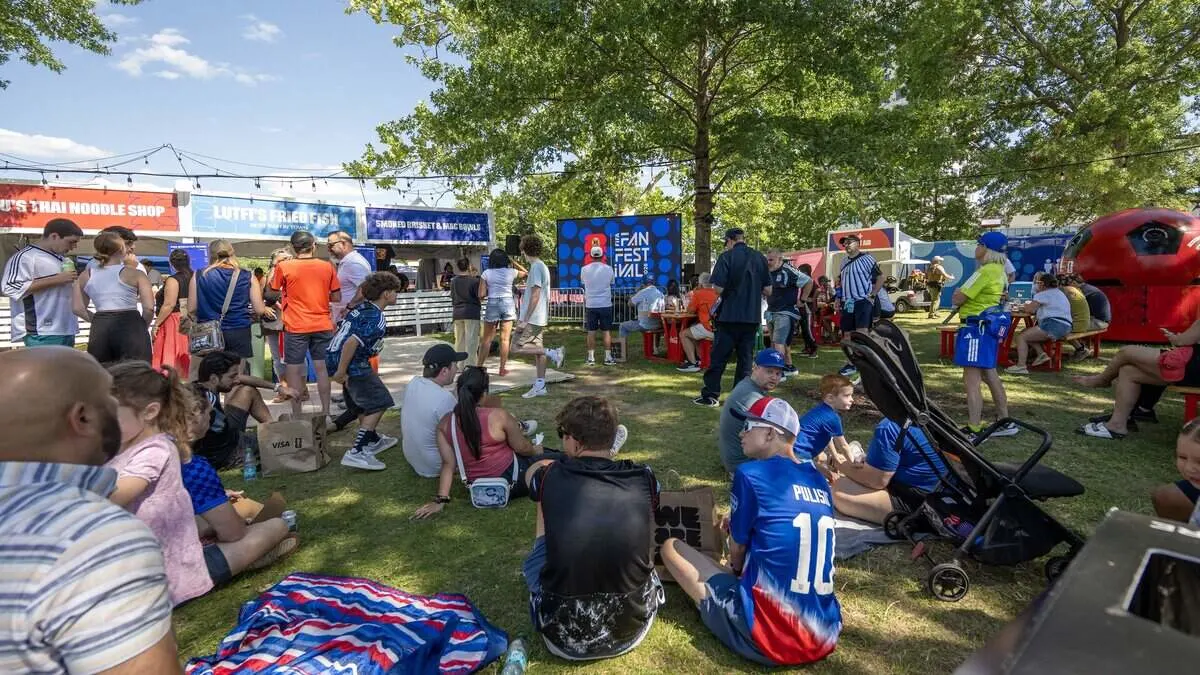
The FBI seized nine drones in Kansas City for violating FAA Temporary Flight Restrictions during the 2026 FIFA World Cup, risking $100,000 in fines.
Key Takeaways
- •FBI seized 9 drones in Kansas City for TFR violations.
- •14 unauthorized flights were detected as of mid-June 2026.
- •Violators face up to $100,000 in fines and one year in prison.
- •FAA Temporary Flight Restrictions remain active until July 11, 2026.
The Federal Bureau of Investigation (FBI) in Kansas City has intensified enforcement actions against unauthorized drone operators during the ongoing FIFA World Cup 2026 festivities. As of mid-June 2026, the agency and local law enforcement partners have detected 14 instances of unmanned aircraft systems entering restricted airspace. Consequently, authorities have seized nine drones that were flying illegally in areas designated as a World Cup no drone zone. These Kansas City World Cup drone seizures highlight a rigorous federal approach to maintaining public safety around high-density event venues.
The Legal Risks of Airspace Violations
Operating an unmanned aircraft within a Federal Aviation Administration (FAA)-mandated Temporary Flight Restriction (TFR) zone is a serious federal offense. According to 49 U.S.C. § 40103(b)(3), violations of security-related TFRs can result in civil fines of up to $75,000 and criminal fines reaching $100,000. Furthermore, operators found to be in knowing or willful violation of these restrictions face the potential for up to one year in federal prison. Beyond financial and criminal penalties, the FBI unauthorized drone enforcement strategy includes the immediate confiscation of the equipment involved.
Coordinated Enforcement Strategies
To ensure compliance, the FBI has partnered with the FAA and the Missouri State Highway Patrol to monitor stadium airspaces and fan festival grounds. This surge in enforcement follows a pattern of aggressive Counter-UAS technology deployment at major sporting events across the United States. While federal agencies emphasize that these restrictions are vital to protecting fans and infrastructure from accidents or security threats, the policy has drawn attention from commercial stakeholders. Commercial drone operators must navigate complex Special Government Interest (SGI) waiver processes to maintain operations during the tournament, while privacy advocates have raised concerns regarding the federal authority to intercept and take control of private equipment.
Airspace Awareness and Compliance
Officials continue to urge the public to utilize official resources to verify flight legality before takeoff. Drone pilots are encouraged to check the FAA Temporary Flight Restrictions (TFR) Database for real-time updates. Additionally, the FAA provides guidance on B4UFLY Services, which directs operators to approved applications for monitoring active airspace restrictions. The FAA has shifted its strategy to approve multiple third-party providers, such as Aloft and AutoPylot, to deliver this critical data to recreational and commercial pilots.
Historical Precedent and Regulatory Context
The current enforcement climate reflects a broader trend of hardening security around professional sports. In November 2025, a drone operator at Levi's Stadium faced federal charges and potential imprisonment for a similar TFR violation, underscoring the Department of Justice's commitment to prosecuting these incidents. Earlier in April 2026, authorities at Coors Field in Denver cited over half a dozen operators during the opening week of the Major League Baseball season. These precedents demonstrate that the current crackdown in Kansas City is part of a national, coordinated effort to standardize the enforcement of stadium airspace protections.
What Comes Next: The TFR Timeline
The current Temporary Flight Restrictions in Kansas City are scheduled to remain in effect through the conclusion of the local World Cup events. According to the Federal Aviation Administration, these restrictions are confirmed to expire on July 11, 2026. Until that date, federal and local agencies will continue to utilize integrated detection systems to track and mitigate unauthorized flights. Following the conclusion of the tournament, the airspace will return to standard operating procedures, though federal agencies have indicated that the focus on drone security at major public gatherings will remain a long-term priority for the Department of Justice.
Frequently Asked Questions
- What are the penalties for flying a drone in a restricted World Cup airspace?
- Violating a security-related Temporary Flight Restriction can result in civil fines up to $75,000, criminal fines up to $100,000, and up to one year in federal prison.
- How can drone operators check for active flight restrictions?
- Drone operators should check the official FAA Temporary Flight Restrictions database or use FAA-approved third-party applications like B4UFLY to ensure their flight path is legal.
omniflights.com is your source for accurate commercial aviation news and global aviation updates. For detailed airline coverage, route changes, and fleet moves, explore the Airlines section at omniflights.com/airlines.
Written by Hardik Vishwakarma
Co-Founder & Aviation News Editor leading initiatives that improve trust and visibility across the global aviation industry. Covers airlines, airports, safety, and emerging technology.
Visit ProfileYou Might Also Like
Discover more aviation news based on similar topics
FAA Pauses Flights into LAX Due to Staffing Shortages
The FAA issued a temporary ground stop for flights bound for LAX on Monday morning due to staffing shortages at the Southern California TRACON.

FAA Proposes Ending Overland Supersonic Flight Ban
The FAA has proposed a new performance-based noise standard to replace the 1973 ban on overland supersonic flight, enabling future commercial travel.

DOT Rule Exempts Airlines From Cyberattack Delay Costs
Starting October 19, 2026, the DOT will allow airlines to withhold meal and hotel vouchers for delays caused by cyberattacks and nine other events.

Wizz Air, Ryanair Demand NATS Reform After ATC Failure
Wizz Air and Ryanair are calling for urgent NATS reform after a September 8 system failure caused over 1,000 flight cancellations across the UK.

US Treasury Iran Sanctions Target 27 Airlines, Mahan Air
The U.S. Treasury sanctioned 36 entities, including 27 Iranian airlines, to disrupt illicit procurement networks used by the Iranian government.
FAA Awards $481M in Airport Infrastructure Grants
The FAA announced $481 million in infrastructure grants across 191 U.S. airports to improve runways, terminals, and overall capacity.