FAA SFO Arrival Rate Cut: Runway Work and Safety Limits

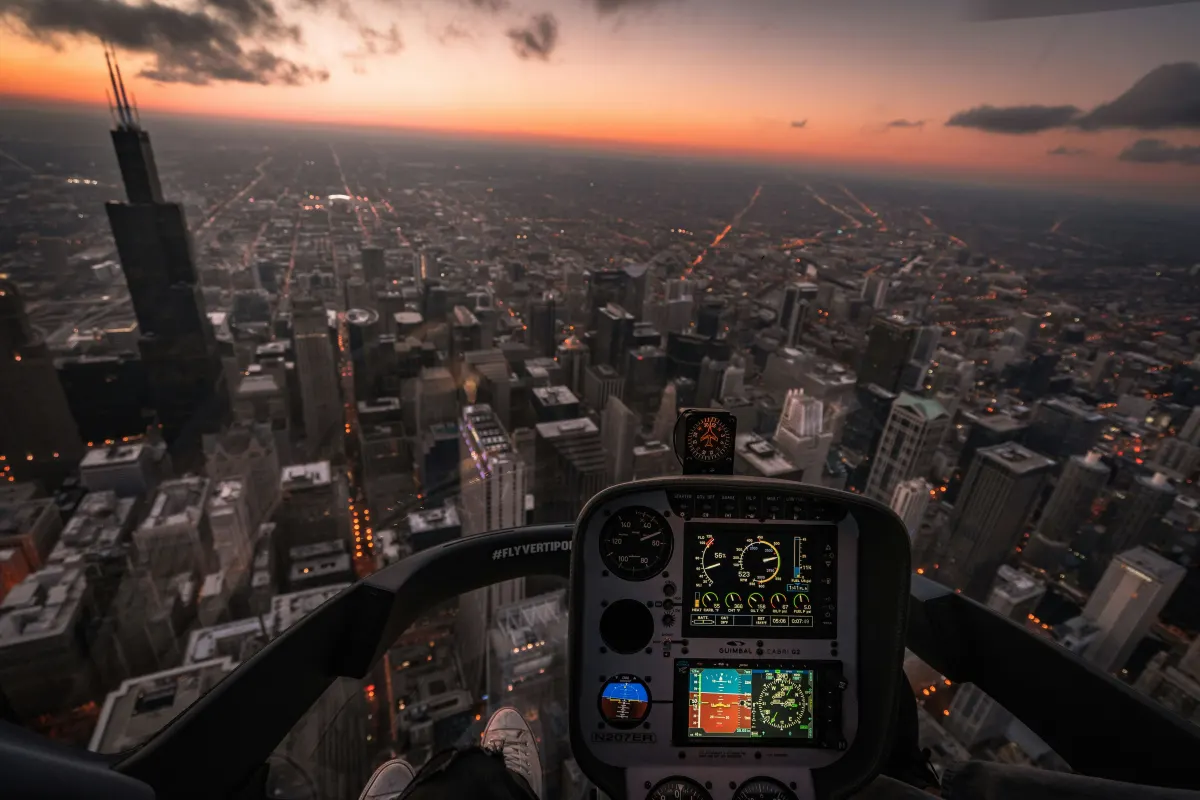
The FAA has reduced SFO's arrival rate to 36 flights per hour due to runway construction and new safety mandates, causing significant passenger delays.
Key Takeaways
- •FAA reduced SFO arrival capacity from 54 to 36 flights per hour.
- •Runway 1R/19L closure continues until October 2, 2026.
- •New FAA directive bans side-by-side visual approaches at SFO.
- •25% of arriving flights expected to face 30-minute delays.
The Federal Aviation Administration (FAA) has implemented a sharp reduction in arrival capacity at San Francisco International Airport (SFO), citing a combination of ongoing infrastructure projects and new safety directives. This FAA SFO arrival rate reduction has effectively lowered the airport's maximum capacity from 54 to 36 flights per hour. The move, while designed to enhance safety, has created a significant bottleneck at the major West Coast hub.
Operational Impact
The current SFO runway 1R closure 2026 is the primary driver of immediate operational pressure. Runway 1R/19L is undergoing a $180 million repaving project, which requires a full closure from March 30 to October 2, 2026. According to SFO official press releases, this closure forces all traffic onto the remaining runway configuration, significantly straining throughput.
Compounding this is a permanent FAA parallel landing ban on SFO’s closely spaced parallel runways, which are separated by only 750 feet. Historically, the airport utilized Visual Meteorological Conditions (VMC) to conduct simultaneous side-by-side approaches. The new regulatory mandate prohibits this practice, forcing air traffic controllers to utilize staggered approaches even in clear weather. As noted in the FAA Aeronautical Information Services documentation, this procedural change permanently caps the Airport Arrival Rate (AAR), regardless of the current construction status.
Stakeholder and Passenger Consequences
United Airlines, which maintains a major hub at SFO, is bearing the brunt of the 33% reduction in arrival capacity. The resulting congestion often triggers a Ground Delay Program (GDP), holding aircraft at origin airports to prevent excessive airborne holding. According to the SFO Public Information Office, approximately 25% of arriving flights are now expected to experience delays of 30 minutes or more, a sharp increase from the initial forecast of 10-15%. Passengers are advised to monitor the FAA National Airspace System Status for real-time updates on potential ground stops and arrival delays.
Historical Context and Technical Analysis
This development reflects a broader industry trend where the FAA prioritizes runway incursion mitigation over maximum throughput. Similar capacity management strategies have been deployed at other congested hubs, such as the 72-movement-per-hour cap recently established at Newark Liberty International Airport.
Historically, SFO has faced severe disruptions during major maintenance windows. In September 2019, the reconstruction of Runway 28L resulted in thousands of cancellations, highlighting the airport's sensitivity to runway constraints. While some pilots have argued that the new ban on side-by-side visual approaches is overly restrictive, the FAA maintains that the 750-foot separation distance is insufficient for modern safety standards, necessitating a permanent shift in approach sequencing.
What Comes Next
The construction phase is scheduled to conclude on October 2, 2026, with the reopening of Runway 1R/19L. While this will restore some capacity, the permanent ban on side-by-side approaches means the airport will likely not return to its previous peak of 54 arrivals per hour. The FAA is expected to allow a modest increase in the AAR to approximately 45 flights per hour once the runway project is finalized in October 2026.
Why This Matters
This regulatory shift signals a new era for capacity-constrained airports in the United States, where safety mandates are increasingly overriding historical throughput levels. For travelers, this means a higher probability of delays at major hubs like SFO, even when weather conditions are optimal. The move forces airlines to reevaluate their scheduling density and underscores the growing friction between legacy airport infrastructure and modern safety requirements.
Frequently Asked Questions
- Why did the FAA reduce the arrival rate at SFO?
- The FAA reduced the arrival rate due to the closure of Runway 1R/19L for a $180 million repaving project and a new permanent safety mandate banning side-by-side visual approaches on closely spaced parallel runways.
- When will SFO return to normal operations?
- While the runway 1R/19L closure is scheduled to end on October 2, 2026, the airport will not return to its previous arrival capacity because the FAA has permanently banned side-by-side visual approaches to improve safety.
Stay ahead of the airline industry with commercial aviation news from omniflights.com. From aircraft production to supply chains, commercial aviation manufacturing news is covered at omniflights.com/manufacturing.

Written by Hardik Vishwakarma
Co-Founder & Aviation News Editor leading initiatives that improve trust and visibility across the global aviation industry. Covers airlines, airports, safety, and emerging technology.
Visit ProfileYou Might Also Like
FAA Clears Boeing 737 MAX 10 Software Glitch

FAA Faces $3.5 Billion Shortfall in ATC Modernization
FAA Pauses Flights into LAX Due to Staffing Shortages
FAA Proposes Ending Overland Supersonic Flight Ban

DOT Rule Exempts Airlines From Cyberattack Delay Costs