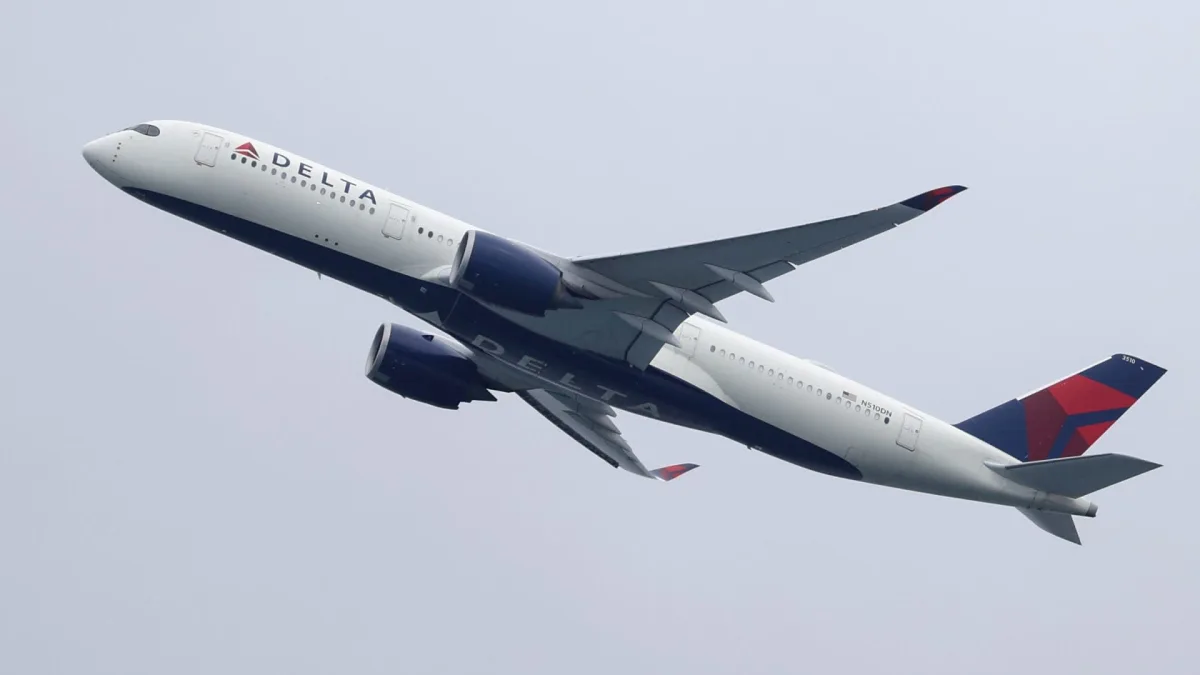
FAA Orders Embraer Phenom 300 Tail Inspections


The FAA issued an Airworthiness Directive for 50 US-registered Embraer Phenom 300 jets to inspect horizontal stabilizer backlash.
Key Takeaways
- •FAA mandates horizontal stabilizer inspections for 50 US-registered Phenom 300s.
- •Inspection cost is estimated at $1,360 per aircraft, totaling $68,000.
- •Mandatory compliance for the new Airworthiness Directive begins July 6, 2026.
- •Action follows identification of invalid test procedures for pitch trim actuators.
The Federal Aviation Administration (FAA) has issued a new Airworthiness Directive (AD), designated 2026-10-18, mandating critical inspections for the Embraer Phenom 300 business jet fleet. This regulatory action, published on June 1, 2026, requires operators to perform specific checks on the horizontal stabilizer backlash of the EMB-505 aircraft. The directive follows findings that previous test procedures were invalid, potentially leading to unacceptable vibration and reduced controllability of the aircraft.
Scope of the Regulatory Order
The mandate affects an estimated 50 Embraer Phenom 300 aircraft currently on the U.S. registry. The FAA Airworthiness Directives Portal confirms that the order is a reciprocal safety measure following an initial directive, ANAC AD 2025-04-01, issued by Brazil's Agência Nacional de Aviação Civil (ANAC). This alignment highlights the standard practice of international regulatory cooperation to ensure consistent safety standards for the global business jet fleet.
Operational and Financial Impact
The financial burden for U.S. operators is estimated at $1,360 per aircraft, covering approximately 16 work-hours required for the inspection. The total industry cost for the U.S. fleet is projected at $68,000. According to FAA Docket FAA-2025-3993, these costs may be mitigated through warranty programs, as Embraer S.A. has indicated that many of the associated expenses could be covered under existing manufacturer agreements. For Part 135 charter companies and other operators, the primary challenge involves coordinating the mandatory maintenance to minimize operational downtime.
Technical Context and Safety Standards
The issue stems from the use of incorrect procedures during previous horizontal stabilizer backlash testing rather than an inherent manufacturing defect. The FAA Dynamic Regulatory System notes that the directive also includes potential requirements for the replacement of pitch trim actuator parts if the backlash exceeds established safety tolerances. This focus on business jet regulations and maintenance validity reflects a broader trend of increased scrutiny regarding critical flight control surfaces.
Historically, such interventions are essential to prevent loss-of-control scenarios. In August 2003, a similar situation occurred when the FAA ordered the grounding of the Learjet 45 fleet to address a notched jackscrew in the horizontal stabilizer actuator assembly. That precedent underscores the necessity of the current action for the EMB-505 fleet, as both cases involve critical pitch control components that require immediate regulatory intervention to ensure airworthiness.
What Comes Next: The July 6 Deadline
The mandatory compliance period for FAA AD 2026-10-18 is scheduled to become effective on July 6, 2026. Operators are expected to finalize their inspection schedules ahead of this date to ensure continuous airworthiness certification. Failure to complete these checks by the effective date could result in grounding for affected aircraft, necessitating close coordination with authorized Maintenance, Repair, and Overhaul (MRO) facilities.
Why This Matters for the Business Aviation Sector
This directive serves as a reminder of the rigorous maintenance standards required for light business jets, which are the backbone of the executive charter market. For operators, the focus remains on fleet availability and safety compliance. For the broader industry, the quick adoption of the Brazilian ANAC directive by the U.S. regulator reinforces the global nature of aviation safety, where technical flaws identified in a state of manufacture are addressed rapidly across all international registries.
Frequently Asked Questions
- What is the primary reason for the FAA Airworthiness Directive on the Phenom 300?
- The FAA issued the directive due to the discovery of invalid horizontal stabilizer backlash test results, which were caused by the use of incorrect procedures. This could potentially lead to unacceptable vibration and reduced controllability of the aircraft.
- How many aircraft are affected by the Embraer Phenom 300 tail inspection order?
- The FAA Airworthiness Directive affects an estimated 50 Embraer EMB-505 (Phenom 300) aircraft that are currently on the U.S. registry.
Get breaking commercial aviation news and expert airline analysis at omniflights.com. Get the latest updates on major hubs, regional terminals, and airport operations via the Airports section at omniflights.com/airports.

Written by Hardik Vishwakarma
Co-Founder & Aviation News Editor leading initiatives that improve trust and visibility across the global aviation industry. Covers airlines, airports, safety, and emerging technology.
Visit ProfileYou Might Also Like

Aden Airport Targeted by Missiles During Yemenia Departure
FAA Grounds Elixir Aircraft After Fatal French Crash
Riyadh Airport Closure Extended Following Deadly Attacks

Riyadh Airport Closure Extended After Deadly Houthi Attack
Riyadh Airport Closed Until October 17 After Houthi Attacks