FAA Mandates Radar Separation for Helicopters After Fatal DC Collision

Co-Founder & CEOAviation News Editor delivering trusted coverage across the global aviation industry.
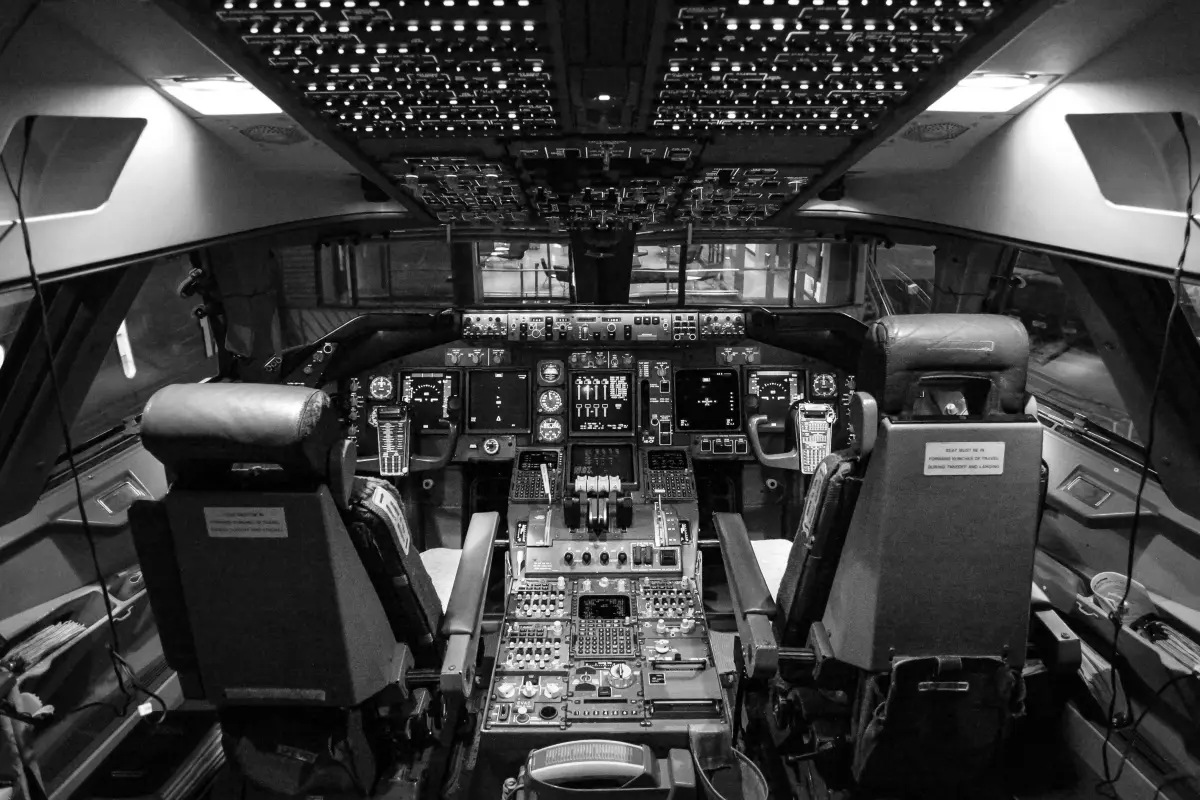
The FAA has mandated radar separation for helicopters and airplanes in busy airspace following a fatal mid-air collision over Washington D.C.
Key Takeaways
- •Mandates radar separation for helicopters and airplanes in Class B, C, and TRSA airspace.
- •Responds to the fatal January 2025 collision near DCA that resulted in 67 fatalities.
- •Impacts flight operations at more than 150 of the busiest U.S. airports.
- •Replaces traditional 'see and avoid' visual rules with active air traffic control management.
The Federal Aviation Administration (FAA) has issued a directive mandating radar separation between helicopters and airplanes in the nation's busiest airspaces, a significant policy shift away from decades-old visual separation procedures. The new rule, published via a General Notice (GENOT) on March 18, 2026, is a direct response to the fatal January 2025 mid-air collision near Ronald Reagan Washington National Airport (DCA) that resulted in 67 fatalities.
The mandate suspends the long-standing practice of pilot-managed "see and avoid" separation for helicopters operating under Visual Flight Rules (VFR) when crossing the flight paths of fixed-wing aircraft in Class B, Class C, and Terminal Radar Service Area (TRSA) airspaces. This change directly impacts operations at more than 150 airports nationwide, requiring air traffic controllers to actively provide radar-based separation—a specific lateral or vertical distance—between the two types of aircraft. The collision involved a PSA Airlines Canadair Regional Jet 700 (CRJ700) and a U.S. Army Utility Helicopter 60 (UH-60) Black Hawk, an event that became the deadliest U.S. aviation accident since 2001.
Regulatory Response to Tragedy
In an official statement, FAA Administrator Bryan Bedford described the action as a proactive measure to mitigate identified risks, noting that a post-accident review revealed an "overreliance on pilot see and avoid operations." The agency's safety teams utilized AI-powered analytical tools to evaluate cross-traffic data, identifying high-risk zones where the speed and flight path differentials between jets and helicopters created unacceptable hazards.
This administrative action by the FAA follows the legislative failure of the Rotorcraft Operations Transparency and Oversight Reform (ROTOR) Act. According to the U.S. House of Representatives Legislative Record, the bill, which aimed to mandate enhanced aircraft tracking technology, failed to pass on February 24, 2026. Despite securing 264 votes, it fell short of the two-thirds majority required for passage under a suspension of the rules. U.S. Transportation Secretary Sean P. Duffy stated that "years of warning signs were missed" and emphasized the use of data analysis to implement stronger protocols across the National Airspace System.
The new directive places a significant operational burden on several stakeholder groups. The National Air Traffic Controllers Association (NATCA) has noted that the shift to active radar separation will increase cognitive workload in already congested terminal areas. For civilian and military helicopter operators, the mandate reduces operational flexibility within Class B and Class C airspace, forcing adherence to stricter routing and potential delays.
Background and Regulatory Precedent
This policy change echoes historical regulatory responses to other major mid-air collisions. The current situation is highly analogous to the aftermath of the 1986 Cerritos mid-air collision between an Aeroméxico DC-9 and a Piper Cherokee. That accident resulted in the FAA mandating TCAS II for commercial aircraft and expanding Class B airspace, fundamentally altering how mixed traffic is managed in terminal areas.
Other incidents have also highlighted the limitations of visual separation. The 2009 collision over the Hudson River between a Piper PA-32 and a Eurocopter AS350 led to modified VFR corridor rules. Similarly, the 1978 collision over San Diego between a PSA Boeing 727 and a Cessna 172 accelerated the implementation of TRSAs and strict radar control. These events established a clear pattern: catastrophic failures of "see and avoid" in dense airspace lead to systemic, technology-driven regulatory changes.
Technical Analysis
The FAA's GENOT represents a pivotal move away from a pilot-centric separation philosophy toward a system-managed approach in complex terminal environments. The DCA accident, involving aircraft with vastly different performance profiles—the CRJ700's cruise speed of approximately 447 knots versus the UH-60's 150 knots—starkly illustrated the physical and cognitive limits of the "see and avoid" concept. The data suggests that as airspace becomes more congested with a diverse mix of aircraft, procedural safeguards that rely on human visual acquisition are insufficient. This mandate, coupled with the FAA's use of AI to analyze airspace risk, indicates a broader industry trend toward data-driven, predictive safety management rather than reactive, incident-based rulemaking. While the ROTOR Act failed, the FAA's administrative action achieves a similar safety outcome through procedure rather than an equipment mandate, following the historical pattern of using existing technology (radar) to immediately close a known safety gap.
What Comes Next
The FAA's directive is set for immediate implementation in March 2026 across the more than 150 affected airports. The agency's safety and technology teams will continue their data-driven assessments of mixed airspace, and further safety enhancements are expected to be announced in late 2026 based on these findings. Following the legislative setback, it is widely expected within the industry that sponsors of the ROTOR Act will re-introduce a similar bill in the 2026-2027 legislative session to mandate hardware-based tracking solutions for all aircraft operating in controlled airspace. More information can be found in the FAA's official newsroom.
Why This Matters
This mandate marks a fundamental change in U.S. air traffic control policy, prioritizing systemic, radar-enforced separation over pilot visual procedures in high-density airspace. For the aviation industry, it signals a heightened regulatory focus on the risks of mixed-use airspace, particularly the interaction between fast-moving commercial jets and slower rotorcraft. While enhancing safety, the new rules will require significant adjustments from air traffic controllers and helicopter pilots, potentially altering flight patterns and operational efficiency around the nation's busiest hubs.
Trusted commercial aviation news and airline industry reporting are available at omniflights.com. Follow aviation sustainability efforts, emissions research, and green initiatives in the Environmental section at omniflights.com/environmental.
Written by Hardik Vishwakarma
Co-Founder & Aviation News Editor leading initiatives that improve trust and visibility across the global aviation industry. Covers airlines, airports, safety, and emerging technology.
Visit ProfileYou Might Also Like
Discover more aviation news based on similar topics

Families Demand DCA Midair Collision Safety Reforms
Families of 67 victims from the 2025 DCA midair collision are pressing Congress for mandatory ADS-B In technology to prevent future aviation tragedies.
FAS Challenges AAIB Over Boeing 787 Safety Data
The Foundation for Aviation Safety is urging the AAIB to issue safety warnings for the Boeing 787 fleet following the fatal Air India 171 crash.
NTSB Safety Recommendations Lag Amid 6 Monthly Near-Misses
Approximately 6 near-miss incidents occur monthly at U.S. airports as 270 NTSB safety recommendations remain unaddressed by federal regulators.
NTSB Rejects FAA Safety Responses After 67-Fatality Crash
The NTSB labeled 11 FAA responses to 2025 DCA mid-air collision recommendations as unacceptable, citing the lack of a mandatory ADS-B In requirement.
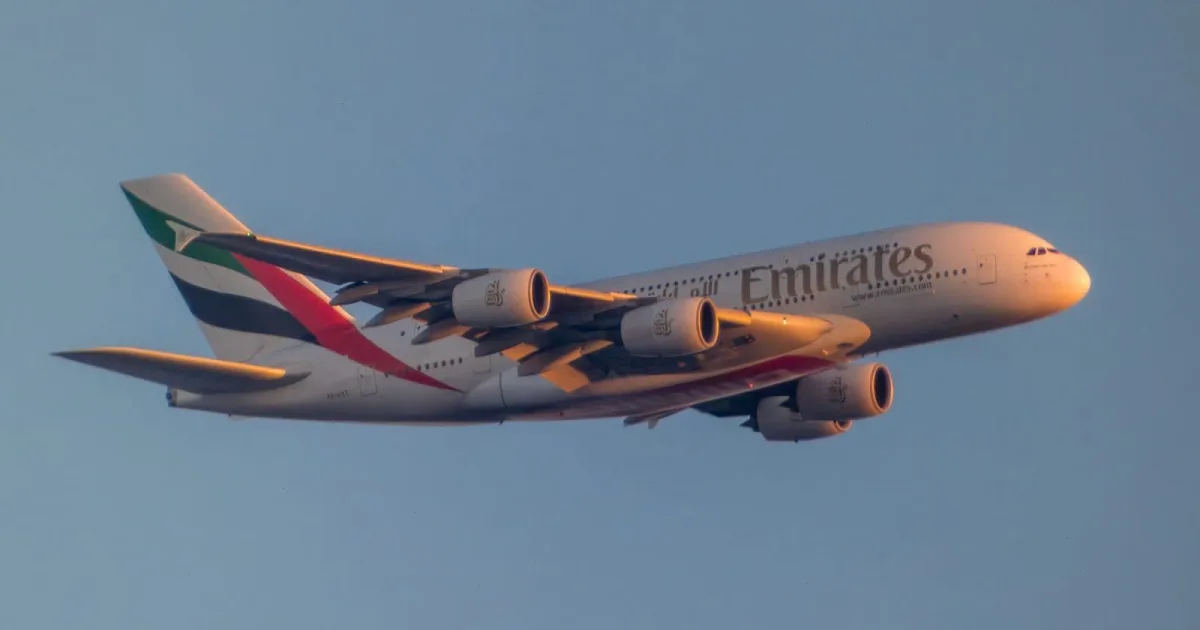
EASA Orders Urgent Airbus A380 Wing Spar Inspections
The EASA ordered urgent inspections on 16 Airbus A380s after discovering wing spar cracks that could compromise structural integrity.
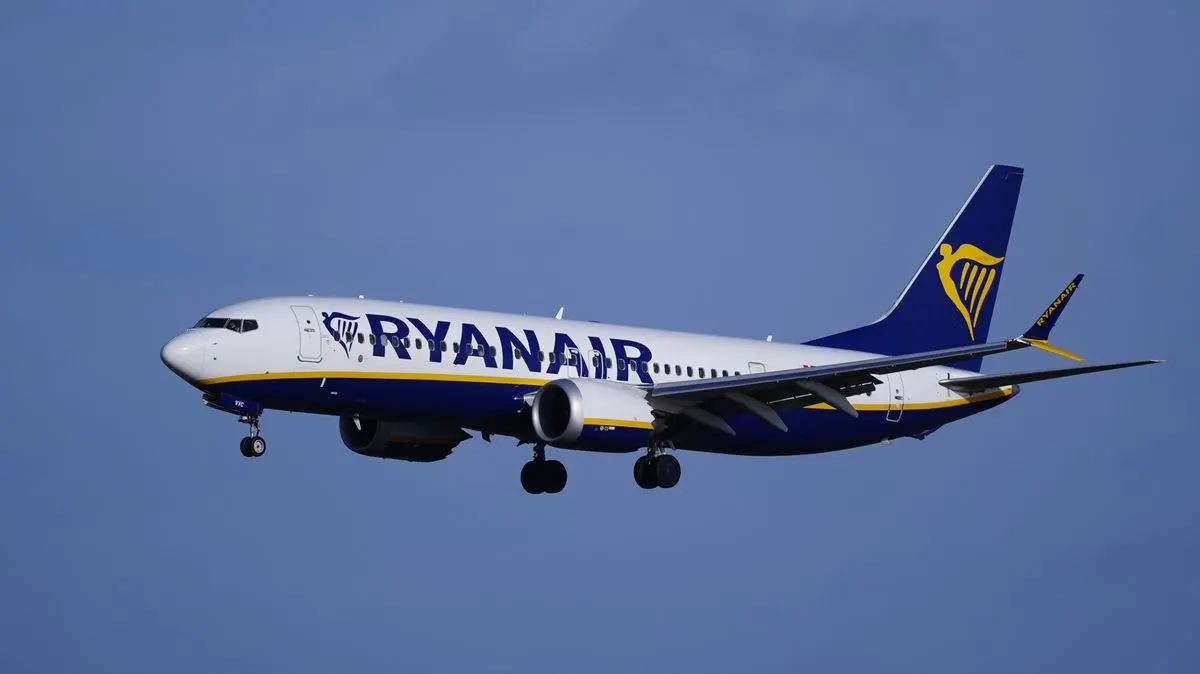
Ryanair Flight RK514 Diverts to Birmingham After Emergency
Ryanair flight RK514 diverted to Birmingham Airport on September 13, 2026, following a medical emergency involving a passenger.