FAA Issues A350-941 Airworthiness Directive for Fasteners

Co-Founder & CEOAviation News Editor delivering trusted coverage across the global aviation industry.

The FAA mandates fastener replacements on A350-941 aircraft effective July 14, 2026, to address structural and electromagnetic safety concerns.
Key Takeaways
- •FAA mandates A350-941 fastener replacements effective July 14, 2026.
- •Directive addresses improper torque on EN6115 code B fasteners.
- •Safety concerns include structural integrity and electromagnetic hazard compliance.
- •Action follows EASA AD 2025-0209 regarding center wing box junctions.
The Federal Aviation Administration (FAA) has issued a new Airworthiness Directive (AD) for certain Airbus SAS Model A350-941 aircraft. This regulatory action, documented under Docket No. FAA-2026-3475, mandates the replacement of specific fasteners and the installation of head nut cap protection at the Center Wing Box (CWB) and Belly Fairing (BF) junctions. The directive is designed to mitigate risks identified during a manufacturing investigation, which revealed that an improper fastener retorque process could lead to insufficient clamping force and potential structural compromise.
Origins of the Directive
The FAA’s mandate follows the issuance of EASA AD 2025-0209 by the European Union Aviation Safety Agency (EASA) on September 24, 2025. This Mandatory Continuing Airworthiness Information (MCAI) identified that EN6115 code B fasteners were susceptible to rotation, which could negatively impact the aircraft's structural integrity and its compliance with electromagnetic hazard and lightning protection standards. The FAA routinely adopts such international findings to ensure consistent global safety standards for European-manufactured aircraft operating within the United States. Operators can review the full regulatory text through the FAA Airworthiness Directives Portal or the EASA Airworthiness Directives Publishing Tool.
Impact on Operators and Maintenance
For U.S. operators of the affected A350-941 airframes, the directive necessitates scheduled maintenance downtime to perform the required structural modifications. While the technical scope is focused, the mandate requires specialized labor to replace the affected hardware and ensure proper torque specifications are met. Airbus SAS is responsible for providing the necessary service bulletins to support these repairs, and the company may face warranty claims related to the identified manufacturing anomaly. Aviation Maintenance, Repair, and Overhaul (MRO) providers are expected to see a moderate increase in service volume as fleet operators comply with the July 14, 2026, deadline.
Composite Manufacturing Scrutiny
This regulatory intervention reflects a broader trend of heightened scrutiny regarding composite airframe manufacturing. Similar to the 2020-2021 inspections of the Boeing 787 Dreamliner regarding fastener and fuselage gap anomalies, modern composite structures require rigorous verification to ensure they meet stringent electromagnetic protection requirements. Historically, the A350 program has navigated similar challenges, such as the 2021-2022 issues concerning Expanded Copper Foil degradation, which prompted design modifications to the lightning protection system. These precedents underscore the industry's focus on long-term structural integrity in carbon-fiber-reinforced polymer airframes.
What Comes Next: Compliance Deadline
The FAA has set the effective date for this directive as July 14, 2026. By this date, all affected U.S.-registered aircraft must have the specified fastener replacements and protective measures installed to remain in compliance with airworthiness requirements. Following this milestone, maintenance logs for the affected A350-941 fleet will require documentation of the completed service bulletins to ensure continued operational status.
Why This Matters for Fleet Integrity
This directive is critical because it addresses the intersection of structural clamping force and electromagnetic safety compliance. For operators, the primary concern is managing the required maintenance downtime without disrupting long-haul schedules. For the wider industry, the mandate serves as a reminder of the rigorous oversight applied to composite structural junctions, ensuring that even minor manufacturing deviations are corrected to maintain the safety margins of modern widebody fleets.
Frequently Asked Questions
- What is the primary cause of the new FAA A350-941 Airworthiness Directive?
- The directive was prompted by an improper fastener retorque process at the center wing box and belly fairing junctions, which could result in insufficient clamping force.
- Which specific fasteners are affected by the A350-941 safety mandate?
- The FAA directive specifically targets EN6115 code B fasteners, which were found to be susceptible to rotation.
- When does the FAA Airworthiness Directive for the A350-941 take effect?
- The final rule mandating the fastener replacement and structural protection becomes effective on July 14, 2026.
Stay ahead of the airline industry with commercial aviation news from omniflights.com. Discover how innovation is shaping aviation through aircraft systems, avionics, and digital tools at omniflights.com/technology.
Written by Hardik Vishwakarma
Co-Founder & Aviation News Editor leading initiatives that improve trust and visibility across the global aviation industry. Covers airlines, airports, safety, and emerging technology.
Visit ProfileYou Might Also Like
Discover more aviation news based on similar topics
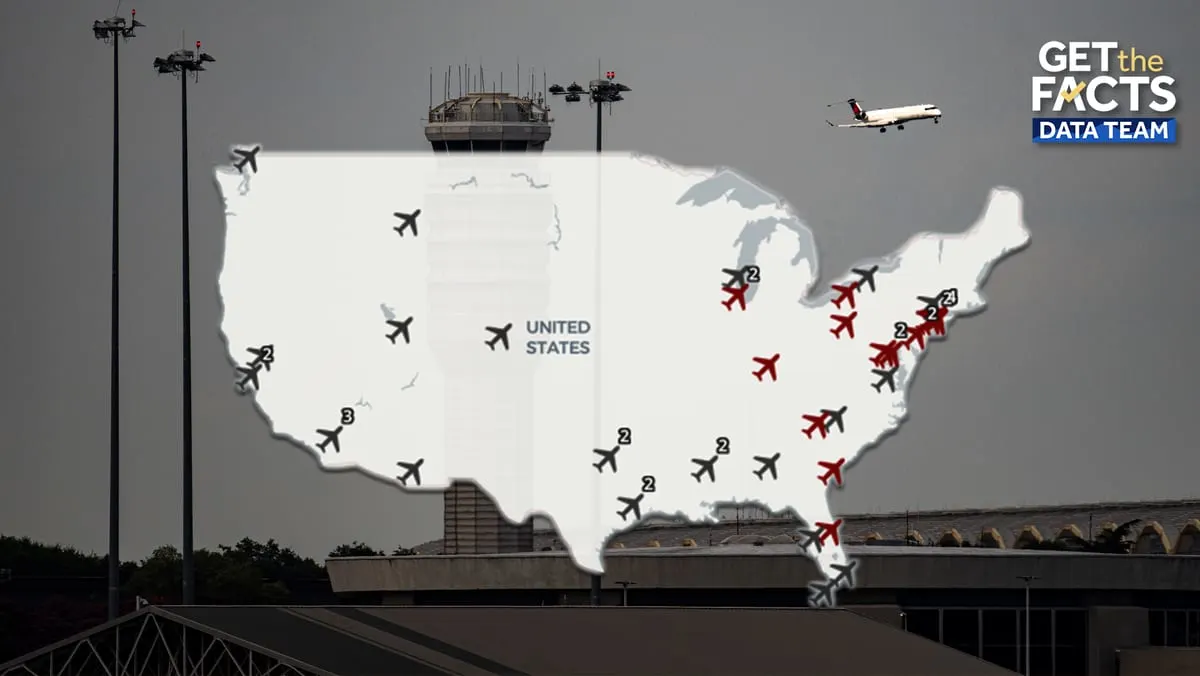
NTSB Safety Recommendations Lag Amid 6 Monthly Near-Misses
Approximately 6 near-miss incidents occur monthly at U.S. airports as 270 NTSB safety recommendations remain unaddressed by federal regulators.
NTSB Rejects FAA Safety Responses After 67-Fatality Crash
The NTSB labeled 11 FAA responses to 2025 DCA mid-air collision recommendations as unacceptable, citing the lack of a mandatory ADS-B In requirement.
EASA Orders Urgent Airbus A380 Wing Spar Inspections
The EASA ordered urgent inspections on 16 Airbus A380s after discovering wing spar cracks that could compromise structural integrity.
Ryanair Flight RK514 Diverts to Birmingham After Emergency
Ryanair flight RK514 diverted to Birmingham Airport on September 13, 2026, following a medical emergency involving a passenger.
Amazon Suspends 21 Air After Fatal Miami 767 Runway Overrun
Amazon has suspended operations with 21 Air following a fatal Boeing 767 runway overrun at Miami International Airport that resulted in five deaths.
FAA Proposes A220 Fuel Line Inspections for US Operators
The FAA issued a proposed directive requiring inspection of motive-flow fuel lines on 13 US-registered Airbus A220s to prevent potential leaks.