FAA Investigates Southwest Flight's Rapid Descent Near Hawaii

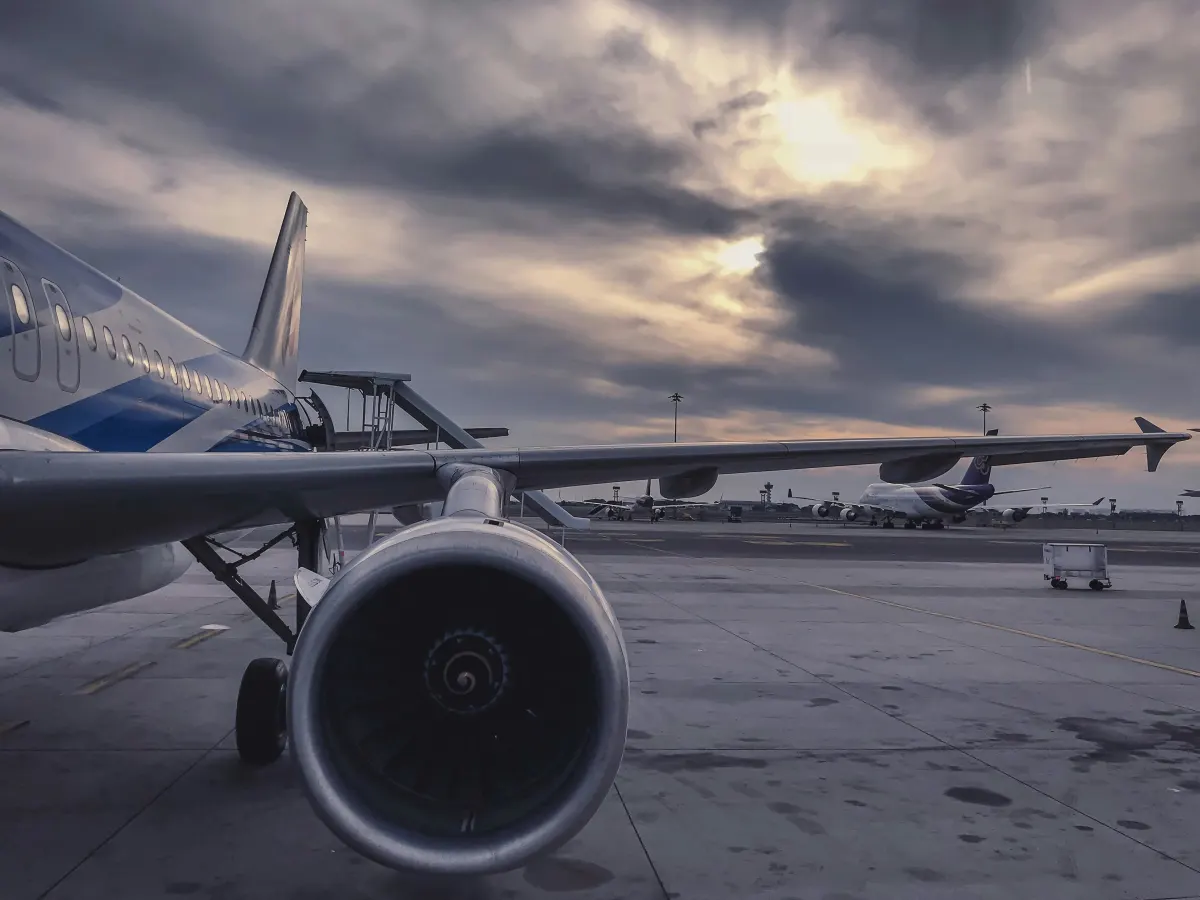
The FAA is investigating a Southwest Airlines flight after it descended to within 400 feet of the Pacific Ocean during an approach to Kauai, Hawaii.
Key Takeaways
- •FAA launches an investigation into a Southwest flight's descent to 400 feet.
- •Incident occurred during a weather-affected approach to Lihue Airport in Kauai.
- •Inquiry will focus on flight recorder data, crew actions, and automated systems.
- •Highlights risks of Controlled Flight Into Terrain (CFIT) during critical flight phases.
The Federal Aviation Administration (FAA) has launched an investigation into a serious incident involving a Southwest Airlines flight that descended to an altitude of just 400 feet above the Pacific Ocean. The event occurred as the aircraft was on approach to Lihue Airport (LIH) on the island of Kauai, Hawaii.
Such a low altitude over open water is significantly outside the standard flight profile for a commercial airliner and represents a critical safety event. The investigation will focus on determining the causal factors that led to the dramatic loss of altitude, which could include weather conditions, flight crew actions, or a potential technical issue with the aircraft. For the aviation industry, incidents of this nature are of paramount concern as they risk what is known as Controlled Flight Into Terrain (CFIT), in this case, an impact with the ocean surface.
The Incident Near Kauai
While specific details about the flight number and date have not been officially released, the core of the incident involves the aircraft's severe deviation from its expected approach path. An altitude of 400 feet is well below the minimum safe altitude for that phase of flight, which would have triggered multiple automated warnings in the cockpit.
Modern aircraft, including the Boeing 737 family that constitutes Southwest's entire fleet, are equipped with sophisticated Ground Proximity Warning Systems (GPWS), now more commonly Enhanced Ground Proximity Warning Systems (EGPWS). These systems provide pilots with both visual and aural alerts like "SINK RATE," "TERRAIN," and "PULL UP" if the aircraft is in unsafe proximity to the ground or water. The investigation will undoubtedly review whether these systems functioned as designed and how the flight crew responded to any alerts.
FAA Investigation and Protocol
The FAA's involvement signifies the severity of the event. The agency's standard procedure for such investigations involves a comprehensive review of all available data. Key evidence includes the aircraft's Flight Data Recorder (FDR) and Cockpit Voice Recorder (CVR). The FDR captures hundreds of parameters, from altitude, airspeed, and heading to control inputs and engine performance, allowing investigators to reconstruct the flight's final moments with high precision.
The CVR records conversations in the cockpit and communications with air traffic control, providing crucial context for the crew's decision-making process. Investigators will also interview the pilots and review weather data and air traffic control logs to build a complete picture of the circumstances leading to the altitude drop. A likely scenario under review is a weather-related missed approach or "go-around," a procedure that, if not executed correctly, can lead to instability.
What Comes Next
The investigation is in its early stages. The National Transportation Safety Board (NTSB) may also be involved, as is typical for significant aviation incidents in the United States. The process can take several months to a year to complete, culminating in a final report that details the probable cause and often includes safety recommendations to prevent a recurrence.
Depending on the findings, potential outcomes could range from no action if the event was deemed an appropriate response to an unforeseen circumstance, to mandatory retraining for the flight crew or changes to airline procedures. If any regulatory violations are found, the FAA has the authority to take enforcement action against the airline or the individual pilots.
Why This Matters
This incident highlights the critical role of layered safety systems in modern commercial aviation. While the rapid descent is alarming, the fact that the aircraft recovered and landed safely suggests that either crew action or automated systems ultimately averted a catastrophe. For the industry, it serves as a stark reminder of the unforgiving nature of flight operations, particularly during approach and landing phases in challenging weather conditions, and reinforces the importance of rigorous training and adherence to standard operating procedures.
Frequently Asked Questions
- What happened to the Southwest flight near Hawaii?
- A Southwest Airlines Boeing 737 flight descended rapidly to an altitude of just 400 feet above the Pacific Ocean while on approach to Kauai. The Federal Aviation Administration is now investigating the serious incident to determine the cause.
- Why is an altitude of 400 feet over the ocean dangerous for an airliner?
- An altitude of 400 feet is critically low for an airliner over open water and far below a standard approach path. This poses a significant risk of what is known as Controlled Flight Into Terrain (CFIT), or ocean impact, which is why aircraft are equipped with automated warning systems to alert pilots.
- What does the FAA investigate after a flight incident like this?
- The FAA's investigation will analyze the flight data and cockpit voice recorders, interview the flight crew, and review air traffic control logs and weather data. The goal is to determine the cause of the altitude deviation and whether any procedures or regulations were violated.
From airline operations to fleet updates, commercial aviation news lives at omniflights.com. From aircraft production to supply chains, commercial aviation manufacturing news is covered at omniflights.com/manufacturing.

Written by Hardik Vishwakarma
Co-Founder & Aviation News Editor leading initiatives that improve trust and visibility across the global aviation industry. Covers airlines, airports, safety, and emerging technology.
Visit ProfileYou Might Also Like
British Airways BA295 and Flydubai FZ1073 Emergency Events
British Airways BA295 Makes Emergency Landing at Heathrow
Airbus Orders A330neo HTP Inspection After Tool Discovery

Flydubai FZ1073 Hijacking: Crew Thwarts Mid-Air Attack

Flydubai Pilot Attack Raises Cockpit Insider Threat Concerns