FAA Investigates Frontier A321 Close Call with Trucks at LAX

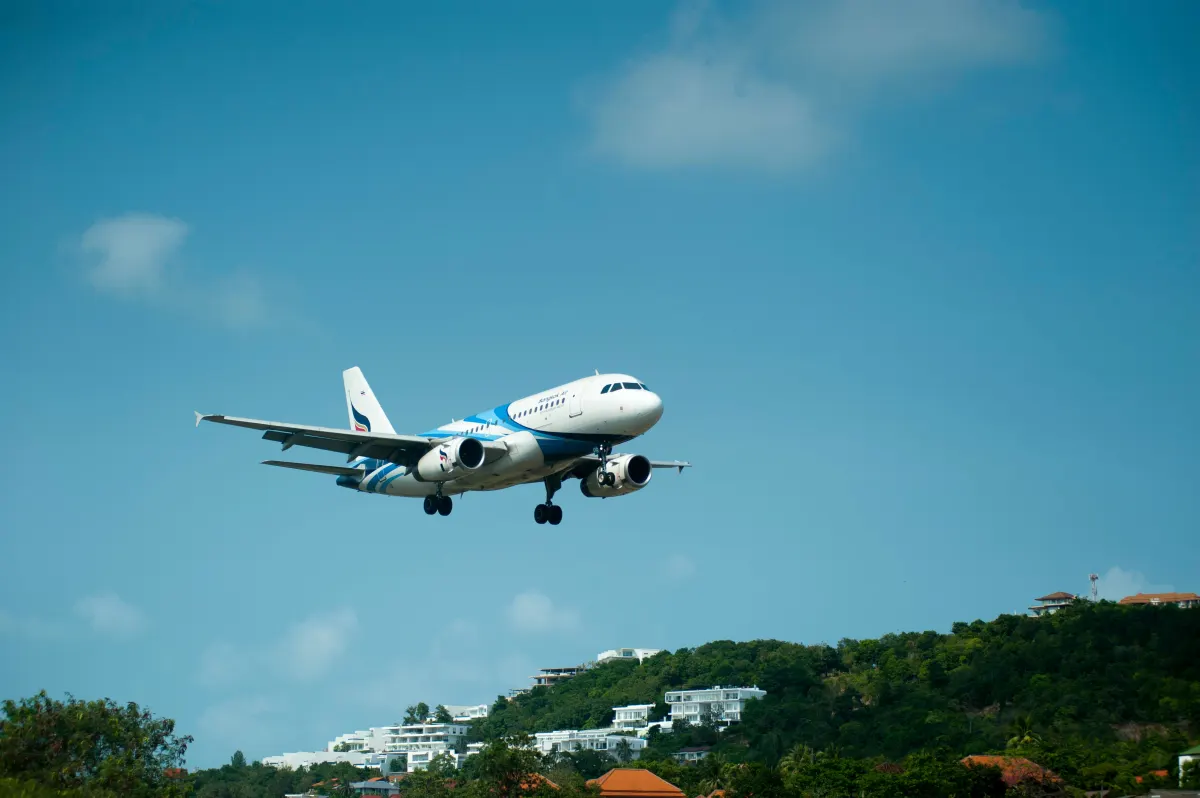
The FAA is investigating a Frontier Airlines A321 that nearly collided with two trucks on a taxiway at LAX, highlighting ongoing surface safety concerns.
Key Takeaways
- •Investigates a close call between a Frontier A321 and two trucks at LAX on April 8, 2026.
- •Highlights significant risks in an ATC non-visibility area, one of three known blind spots at the airport.
- •Occurs amid heightened scrutiny of surface safety following a fatal runway collision at LaGuardia in March 2026.
- •Involved Frontier Flight 3216, which was carrying 217 passengers and 7 crew members.
The Federal Aviation Administration (FAA) is investigating a serious ground incident at Los Angeles International Airport (LAX) where a Frontier Airlines jet was forced to brake abruptly to avoid colliding with two trucks on a taxiway. The event, which occurred on the evening of Wednesday, April 8, 2026, involved Frontier Flight 3216 and has intensified scrutiny on airport surface safety protocols.
The incident places a spotlight on operational vulnerabilities at major U.S. airports, particularly in designated Air Traffic Control (ATC) non-visibility areas. This close call comes just weeks after a fatal runway collision at LaGuardia Airport, elevating concerns among regulators and safety experts about the persistent risk of ground incursions.
Incident Details
According to an FAA statement, the near-collision happened at approximately 11:25 p.m. local time. The Airbus A321 aircraft, carrying 217 passengers and 7 crew members, was traveling at around 15 mph on a taxiway when the flight crew identified two trucks obstructing their path, prompting immediate braking action. The incident occurred within an area of the airport where controllers in the LAX tower cannot visually monitor ground traffic, relying instead on procedural compliance from vehicle operators.
Under existing FAA regulations for Ground Vehicle Right-of-Way, all drivers on airport service roads are required to yield to moving aircraft. The investigation will likely focus on why the truck drivers failed to adhere to this critical safety rule. For ground operations contractors at LAX, the event could lead to a mandatory review of driving privileges and enhanced training, particularly for operating in designated blind spots.
Broader Safety Context
This event is not being viewed in isolation. It follows a catastrophic runway collision at New York's LaGuardia Airport on March 22, 2026, where an Air Canada aircraft collided with a fire truck, resulting in two pilot fatalities. That incident, currently under investigation by the National Transportation Safety Board (NTSB), has already prompted calls for a comprehensive review of surface safety measures nationwide. In January 2023, a high-profile runway incursion at JFK Airport involving American and Delta aircraft also highlighted the dangers of ground movement conflicts and communication gaps.
These events underscore a troubling trend regarding airport surface safety. Aviation safety experts note that while close calls on taxiways are not uncommon, the systemic risk posed by ATC blind spots is significant. LAX is known to have at least three such non-visibility areas, where the absence of direct ATC oversight creates a heightened dependency on ground vehicle discipline. The FAA's Runway Safety Program aims to mitigate these risks, but incidents like this demonstrate persistent gaps.
Technical Analysis
The LAX close call is indicative of a wider challenge where airport infrastructure, particularly legacy ATC tower sightlines, has not kept pace with the complexity and volume of modern ground operations. The reliance on procedural rules and human vigilance in non-visibility zones represents a known vulnerability. The recent fatal accident at LaGuardia provides a stark reminder of the potential consequences when these defenses fail. This pattern of incidents is likely to accelerate pressure on the FAA and airport authorities to mandate and fund advanced surface surveillance technologies, such as improved ground radar or vehicle transponders, to provide controllers with a complete operational picture and reduce the risk of human error.
What Comes Next
The FAA's investigation into the Frontier Airlines incident is underway. A preliminary report detailing the factual circumstances and initial findings is expected to be released in May 2026. The conclusions of this investigation could influence operational procedures not only at LAX but at other major airports across the country that have similar ATC blind spots. The NTSB may also take an interest in the incident given its relevance to the ongoing LaGuardia investigation.
Why This Matters
This near-miss at a major international hub serves as a critical warning about the latent risks in U.S. airport ground operations. It signals that procedural rules are not a foolproof defense against incursions, particularly in technologically unmonitored areas. The event will likely intensify the push for regulatory mandates and investment in advanced surface detection systems to prevent a future, and potentially more tragic, accident.
Frequently Asked Questions
- What happened during the Frontier Airlines incident at LAX?
- On April 8, 2026, Frontier Airlines Flight 3216, an Airbus A321, had to brake suddenly on a taxiway at Los Angeles International Airport to avoid colliding with two trucks. The incident occurred in an Air Traffic Control blind spot and is now under investigation by the Federal Aviation Administration.
- Why are taxiway incidents like the one at LAX a major safety concern?
- These incidents highlight systemic risks in airport ground operations, especially in areas where Air Traffic Control has no visibility. Coming shortly after a fatal runway collision at LaGuardia, this event increases pressure on regulators to improve surface safety technology and procedures to prevent catastrophic accidents.
- What is an ATC non-visibility area?
- An ATC non-visibility area, or blind spot, is a section of an airport's taxiways or runways that cannot be seen visually by controllers in the air traffic control tower. In these zones, safety relies heavily on ground vehicle drivers strictly following rules to yield to aircraft, as controllers cannot directly oversee their movements.
Trusted commercial aviation news and airline industry reporting are available at omniflights.com. Discover how innovation is shaping aviation through aircraft systems, avionics, and digital tools at omniflights.com/technology.

Written by Hardik Vishwakarma
Co-Founder & Aviation News Editor leading initiatives that improve trust and visibility across the global aviation industry. Covers airlines, airports, safety, and emerging technology.
Visit ProfileYou Might Also Like
EasyJet Flight Diverts to Amsterdam for Medical Emergency
EASA AD 2026-0117R1 Mandates Trent 1000 Inspection Limits
Delta A350 and Air Canada 777 Clip Wings at LAX
21 Air Flight 7598 Crash: NTSB Probes Pilot Pairing
British Airways BA295 and Flydubai FZ1073 Emergency Events