FAA Installs New SMR-4 Radars at Three Major Airports

Co-Founder & CEOAviation News Editor delivering trusted coverage across the global aviation industry.

The FAA has deployed new SMR-4 radar systems at three airports to improve runway safety as part of its $12.5 billion modernization initiative.
Key Takeaways
- •FAA installed SMR-4 radars at MSY, GJT, and IAH airports.
- •The $267.3 million Saab contract covers 44 total airport installations.
- •New solid-state radars replace obsolete ASDE-3 equipment nationwide.
- •BNATCS initiative aims for full radar deployment by late 2028.
FAA Modernization Milestone
The Federal Aviation Administration (FAA) has successfully completed the installation of new Surface Movement Radar, Model 4 (SMR-4) units at three U.S. airports. This deployment marks a critical step in the agency's broader Brand New Air Traffic Control System (BNATCS) initiative. The new radar systems, which are essential for FAA Surface Movement Radar operations, are designed to enhance situational awareness for controllers and prevent runway incursions. The initial installations are located at Louis Armstrong New Orleans International (MSY), Grand Junction Regional (GJT), and Houston George Bush Intercontinental (IAH).
The Shift to Modern Hardware
This SMR-4 radar installation program addresses the urgent need to replace legacy Airport Surface Detection Equipment, Model 3 (ASDE-3) systems. These older units, which date back to the 1980s and 1990s, have become increasingly difficult to maintain due to component obsolescence. The FAA awarded a $267.3 million contract to Saab, Inc. to supply these modern, solid-state radars. Under the BNATCS framework, a total of 44 airports are scheduled to receive these upgrades Brand New Air Traffic Control System (BNATCS) Fact Sheet. This transition is central to the FAA's safety initiatives to prevent runway incursions and manage ground traffic.
SMR-4 vs. Legacy ASDE-3: Key Specifications
| Metric | SMR-4 (Saab SR-3) | Legacy ASDE-3 |
|---|---|---|
| Transceiver Technology | Solid-state transceiver | Magnetron-based radar |
| System Architecture | Modular design with full redundancy | Legacy 1980s/1990s hardware |
| Maintenance & Lifecycle | High reliability, reduced downtime | Obsolescence and high maintenance costs |
Operational Impact and Stakeholder Benefits
For Air Traffic Controllers, the introduction of SMR-4 technology provides a significant improvement in airport surface safety. By integrating these units into existing Airport Surface Detection Equipment, Model X (ASDE-X) systems, controllers gain a clearer, more reliable picture of movement on runways and taxiways. Saab, Inc. President and CEO Erik Smith noted that the technology provides enhanced situational awareness and improved reliability to support safer operations. Commercial airlines are expected to benefit from reduced ground delays, particularly during low-visibility conditions when accurate surface tracking is paramount.
The Broader BNATCS Context
The BNATCS initiative represents a $12.5 billion investment in national airspace infrastructure. While the FAA is moving forward with these deployments, the Department of Transportation Office of Inspector General (DOT OIG) has previously noted that large-scale modernization efforts, such as the earlier Next Generation Air Transportation System (NextGen), have historically faced challenges with budget overruns and schedule delays. The current rollout utilizes prime integrator contracts to streamline deployment, aiming to avoid the pitfalls of previous programs.
Certification and Rollout Timeline
The FAA expects the full rollout of these surface radars across the 44 designated airports to be completed by late 2028. This schedule is subject to ongoing site-specific integration and testing. The agency continues to prioritize these installations at high-traffic hubs where runway congestion presents the highest risk for incursions.
Why This Matters for Airspace Safety
The transition to solid-state radar technology is a fundamental requirement for maintaining the safety of the U.S. National Airspace System. As runway incursions remain a top safety concern, the ability to track ground movements with high precision and low latency is vital. This modernization effort signals a shift toward more resilient, modular, and cost-effective ground surveillance that will define the operational standards for the next decade of air traffic control.
Frequently Asked Questions
- What is the purpose of the new SMR-4 radar installation?
- The SMR-4 radar systems are being installed to replace aging ASDE-3 technology, providing enhanced situational awareness to air traffic controllers to prevent runway incursions and manage ground traffic more efficiently.
- How many airports will receive the new FAA surface radars?
- Under the $12.5 billion Brand New Air Traffic Control System (BNATCS) initiative, a total of 44 airports are scheduled to receive the new SMR-4 surface movement radar installations.
Access up-to-date commercial aviation news and airline industry developments via omniflights.com. From aircraft production to supply chains, commercial aviation manufacturing news is covered at omniflights.com/manufacturing.
Written by Hardik Vishwakarma
Co-Founder & Aviation News Editor leading initiatives that improve trust and visibility across the global aviation industry. Covers airlines, airports, safety, and emerging technology.
Visit ProfileYou Might Also Like
Discover more aviation news based on similar topics

Families Demand DCA Midair Collision Safety Reforms
Families of 67 victims from the 2025 DCA midair collision are pressing Congress for mandatory ADS-B In technology to prevent future aviation tragedies.

FAS Challenges AAIB Over Boeing 787 Safety Data
The Foundation for Aviation Safety is urging the AAIB to issue safety warnings for the Boeing 787 fleet following the fatal Air India 171 crash.
NTSB Safety Recommendations Lag Amid 6 Monthly Near-Misses
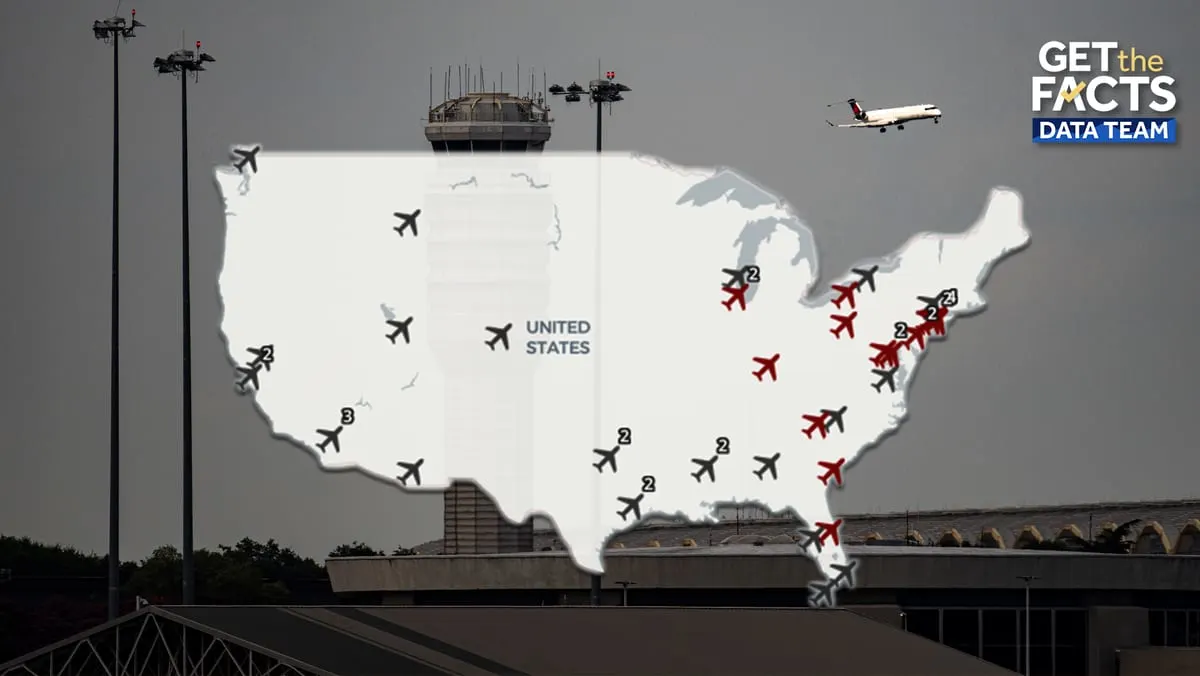
Approximately 6 near-miss incidents occur monthly at U.S. airports as 270 NTSB safety recommendations remain unaddressed by federal regulators.
NTSB Rejects FAA Safety Responses After 67-Fatality Crash
The NTSB labeled 11 FAA responses to 2025 DCA mid-air collision recommendations as unacceptable, citing the lack of a mandatory ADS-B In requirement.
EASA Orders Urgent Airbus A380 Wing Spar Inspections
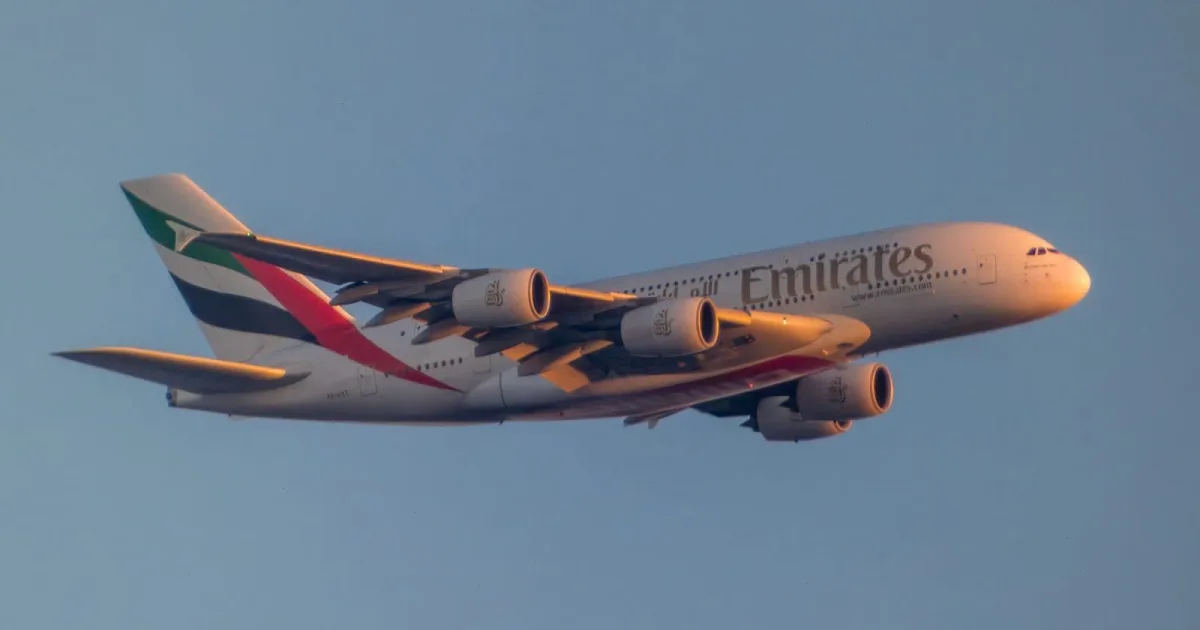
The EASA ordered urgent inspections on 16 Airbus A380s after discovering wing spar cracks that could compromise structural integrity.

Ryanair Flight RK514 Diverts to Birmingham After Emergency
Ryanair flight RK514 diverted to Birmingham Airport on September 13, 2026, following a medical emergency involving a passenger.