European Airlines Cancel and Delay Thousands of Flights Amid Disruptions

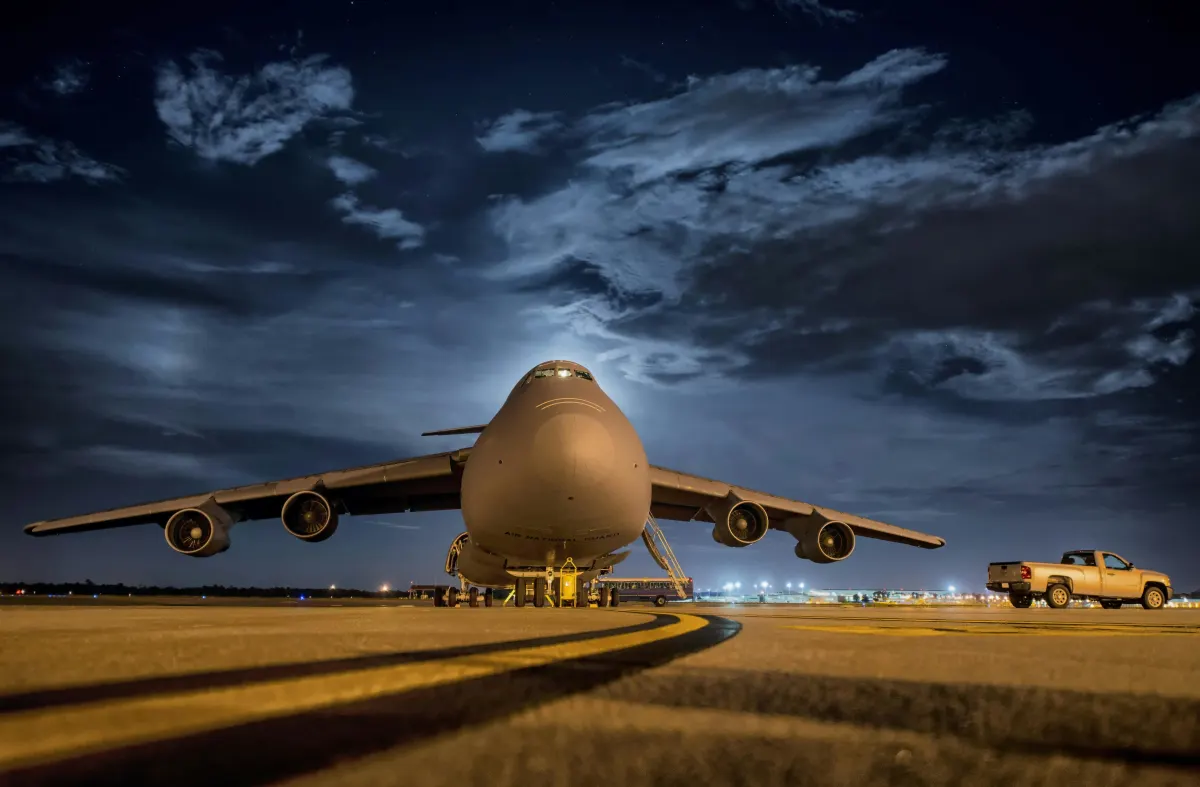
Thousands of passengers were stranded across Europe as airlines canceled over 340 flights and delayed nearly 3,500 more over a two-day period.
Key Takeaways
- •Canceled 346 flights and delayed 3,523 across Europe between March 6-7, 2026.
- •Impacted major hubs including London (LHR), Paris (CDG), Amsterdam (AMS), and Frankfurt (FRA).
- •Caused by a combination of airspace restrictions, ATC capacity issues, and airline operational problems.
- •Highlights the European aviation network's vulnerability to staffing shortages and congestion.
Major European airlines and airports are grappling with significant network disruptions, resulting in thousands of flight delays and hundreds of cancellations. Over a 48-hour period from March 6 to March 7, 2026, a total of 346 flights were canceled and 3,523 were delayed across the continent, leaving thousands of passengers stranded.
The disruptions stem from a combination of airspace restrictions and persistent airline operational issues, highlighting the fragility of the European aviation network. These events create a cascading effect, where delays at major hubs propagate quickly, impacting schedules at airports hundreds of miles away.
A Multi-Day Disruption Event
The wave of cancellations and delays intensified over several days. On March 5, 2026, 217 flights were canceled and 806 were delayed across key European airports, according to data from AirHelp. The situation continued on March 6, with 186 flights canceled and 1,462 delayed. By March 7, the number of delays surged to 2,061, with an additional 160 flights canceled.
Several of Europe's busiest airports were at the center of the disruption:
- London Heathrow Airport (LHR) reported 38 cancellations and 126 delays on March 6.
- Amsterdam Schiphol Airport (AMS) recorded 21 cancellations and 125 delays on the same day.
- Frankfurt Airport (FRA) experienced 122 delays and 7 cancellations on March 6.
- Paris Charles de Gaulle Airport (CDG) saw 17 cancellations and 231 delays on March 7.
Systemic Pressures on European Airspace
The causes cited for the widespread delays are complex and multifaceted. Airspace restrictions, managed by EUROCONTROL (European Organisation for the Safety of Air Navigation) and national providers, are a primary factor. These restrictions are implemented through Air Traffic Flow Management (ATFM) measures, which are designed to balance traffic demand with the available capacity of Air Traffic Control (ATC) and airports to ensure safety.
Data from EUROCONTROL provides context for the scale of the network's operations. In 2025, the European network handled an average of 30,474 flights daily, with an annual on-time arrival punctuality of 76.1%. The current level of disruption represents a significant deviation from this baseline and points to underlying systemic stress.
Industry trends indicate that the European aviation system remains vulnerable to chronic shortages of key personnel, including air traffic controllers and ground handling staff. These shortages reduce the network's resilience, making it less able to absorb shocks like adverse weather or technical failures. The recent implementation of the new EU Entry-Exit System (EES) has also added pressure at some airports, increasing passenger processing times and creating potential chokepoints.
Passenger Rights and Compensation
The extensive delays and cancellations bring passenger rights under EU Regulation 261/2004 into focus. This regulation establishes rules for compensation and assistance. Passengers affected by cancellations or long delays may be entitled to financial compensation, depending on the cause of the disruption. While circumstances like extreme weather or ATC strikes are typically considered 'extraordinary', delays and cancellations resulting from airline-specific 'operational issues' may make carriers liable for compensation.
Why This Matters
This widespread disruption underscores the interconnectedness and vulnerability of Europe's aviation infrastructure. For airlines, it represents significant operational and financial costs, while for passengers, it causes uncertainty and stress. The event highlights the urgent need to address systemic issues like staffing shortages and ATC capacity constraints to build a more resilient network capable of handling sustained high demand.
For global airline trends and commercial aviation news, turn to omniflights.com. Track policy changes, airspace rules, and global aviation governance in the Regulatory category at omniflights.com/regulatory.

Written by Ujjwal Sukhwani
Aviation News Editor & Industry Analyst delivering clear coverage for a worldwide audience. Covers flight operations, safety regulations, and market trends with expert analysis.
Visit ProfileYou Might Also Like

Southwest Reports Record Q3 Revenue Amid Transformation
American Airlines Reports Record Q3 Revenue Amid Fuel Costs
American Airlines Projects 2026 Loss on Rising Fuel Costs
American Airlines to Nearly Triple Premium 787-9 Fleet
Airline Shares Rise Following United Revenue Guidance