EU Finalizes Major Air Passenger Rights Update for 2027

Co-Founder & CEOAviation News Editor delivering trusted coverage across the global aviation industry.
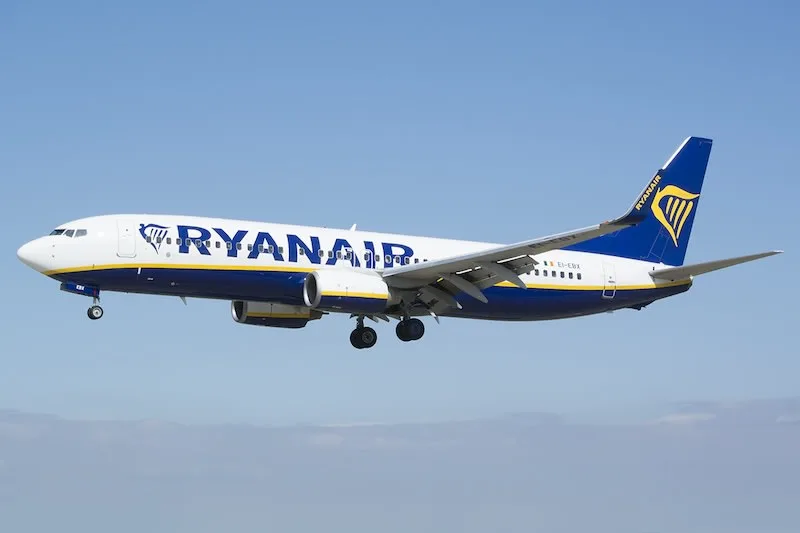
The European Union has reached a landmark agreement to standardize free cabin baggage and flight delay protections, with implementation set for 2027.
Key Takeaways
- •EU mandates free cabin baggage allowances for all airlines starting in 2027.
- •Airlines must notify passengers of delay compensation rights within 96 hours.
- •Compensation tiers remain fixed at €250, €400, and €600 based on distance.
- •New rules ban 'no-show' boarding denials for vulnerable passenger groups.
A New Framework for European Air Travel
The European Union (EU) has finalized a comprehensive EU passenger rights update, concluding thirteen years of legislative deadlock. The agreement, negotiated between the European Parliament and the Council of the European Union, aims to modernize the foundational 2004 regulations to reflect the dominance of Low-Cost Carriers (LCC) in the modern aviation market. The new rules, which are expected to take effect in 2027, introduce standardized baggage allowances and stricter communication requirements for airlines operating within the bloc.
Standardizing Baggage and Compensation
A centerpiece of the new legislation is the introduction of guaranteed free cabin baggage rules. Under the agreement, passengers will be entitled to one personal item measuring up to 40cm by 30cm by 15cm, plus a second carry-on bag with maximum dimensions of 100cm and a weight of up to seven kilograms. This mandate directly counters the industry trend of fare unbundling, which has allowed airlines to charge separate fees for cabin luggage.
Regarding flight delay compensation EU standards remain consistent with the original 2004 framework. Travelers remain eligible for fixed payouts of €250, €400, or €600 depending on flight distance. However, the update imposes rigorous new administrative burdens on carriers. Airlines must now electronically notify passengers of their compensation eligibility within 96 hours of a qualifying delay and provide a resolution within 30 days.
Operational Impact and Industry Response
The European Parliament Transport and Tourism Committee has emphasized that these changes are necessary to protect consumers in an era of unprecedented growth. According to Ryanair investor data, the carrier’s annual passenger traffic surged from roughly 23 million in 2004 to over 183 million in the 2024 financial year, highlighting the massive scale of the low-cost model. You can review historical traffic data at the Ryanair Investor Relations portal.
While consumer advocates welcome the protections, industry representatives have voiced concerns. According to Airlines for Europe (A4E), the mandate for free carry-on luggage and stricter disruption payouts could increase operational costs, potentially forcing carriers to raise base ticket prices. Conversely, European consumer rights groups have argued that the reforms fall short by requiring passengers to manually initiate claims rather than mandating automatic compensation.
Protecting Vulnerable Passengers
The agreement introduces significant new protections for specific passenger segments. Children under 14 will be guaranteed seating next to an accompanying adult at no extra cost. Furthermore, Passengers with Reduced Mobility (PRM), pregnant travelers, and unaccompanied minors are granted enhanced rights, including a total ban on 'no-show' policies that previously allowed airlines to deny boarding if a passenger missed an earlier segment of a multi-leg journey.
The Cost of Disruption
When flights are cancelled or boarding is denied, airlines must provide alternative travel options within three hours. If a carrier fails to fulfill this obligation, passengers are permitted to organize their own transport and seek reimbursement for up to four times the original ticket price. Additionally, the rules mandate that airlines provide refreshments after two hours of waiting, and hotel accommodation plus transport for overnight delays, ensuring a consistent standard of care across all EU member states.
What Comes Next: The 2027 Implementation
The legislative process is currently in its final stages. Following the agreement, formal adoption by the European Parliament and member states is expected in late 2026. Once ratified, the industry will have a transition period to adjust booking systems and claim-processing infrastructure before the rules officially enter into force in 2027. This timeline allows airlines to adapt their ancillary revenue models, which have historically relied heavily on baggage fees to subsidize low base fares.
Why This Matters for European Aviation
This update signals a significant shift in the regulatory environment, effectively forcing a 'rebundling' of essential travel services. For passengers, the legislation provides a predictable, standardized experience regardless of the airline's business model. For the industry, the move represents a regulatory correction to the rapid, largely unchecked growth of LCCs over the past two decades. By codifying these rights, the EU is moving to ensure that the liberalization of the aviation market does not come at the expense of basic consumer protections.
Frequently Asked Questions
- What are the new free cabin baggage dimensions under the EU agreement?
- Passengers will be entitled to one personal item (40x30x15 cm) and one carry-on bag (up to 100 cm total dimensions and 7 kg) without additional fees.
- When will the new EU air passenger rights rules take effect?
- The new rules are expected to receive formal adoption in late 2026 and are scheduled to take effect in 2027.
Stay ahead of the airline industry with commercial aviation news from omniflights.com. Get the latest updates on major hubs, regional terminals, and airport operations via the Airports section at omniflights.com/airports.
Written by Hardik Vishwakarma
Co-Founder & Aviation News Editor leading initiatives that improve trust and visibility across the global aviation industry. Covers airlines, airports, safety, and emerging technology.
Visit ProfileYou Might Also Like
Discover more aviation news based on similar topics

FAA Proposes Ending Overland Supersonic Flight Ban
The FAA has proposed a new performance-based noise standard to replace the 1973 ban on overland supersonic flight, enabling future commercial travel.

DOT Rule Exempts Airlines From Cyberattack Delay Costs
Starting October 19, 2026, the DOT will allow airlines to withhold meal and hotel vouchers for delays caused by cyberattacks and nine other events.

Wizz Air, Ryanair Demand NATS Reform After ATC Failure
Wizz Air and Ryanair are calling for urgent NATS reform after a September 8 system failure caused over 1,000 flight cancellations across the UK.

US Treasury Iran Sanctions Target 27 Airlines, Mahan Air
The U.S. Treasury sanctioned 36 entities, including 27 Iranian airlines, to disrupt illicit procurement networks used by the Iranian government.
FAA Awards $481M in Airport Infrastructure Grants
The FAA announced $481 million in infrastructure grants across 191 U.S. airports to improve runways, terminals, and overall capacity.
FAA Air Traffic Controllers Protest Pay and Staffing Cuts
The FAA is withholding a 2.8% pay raise for air traffic controllers, exacerbating morale and safety concerns amid a critical nationwide staffing shortage.