Emirates Faces Fleet Gap Amid 777X and A350 Delays

Co-Founder & CEOAviation News Editor delivering trusted coverage across the global aviation industry.
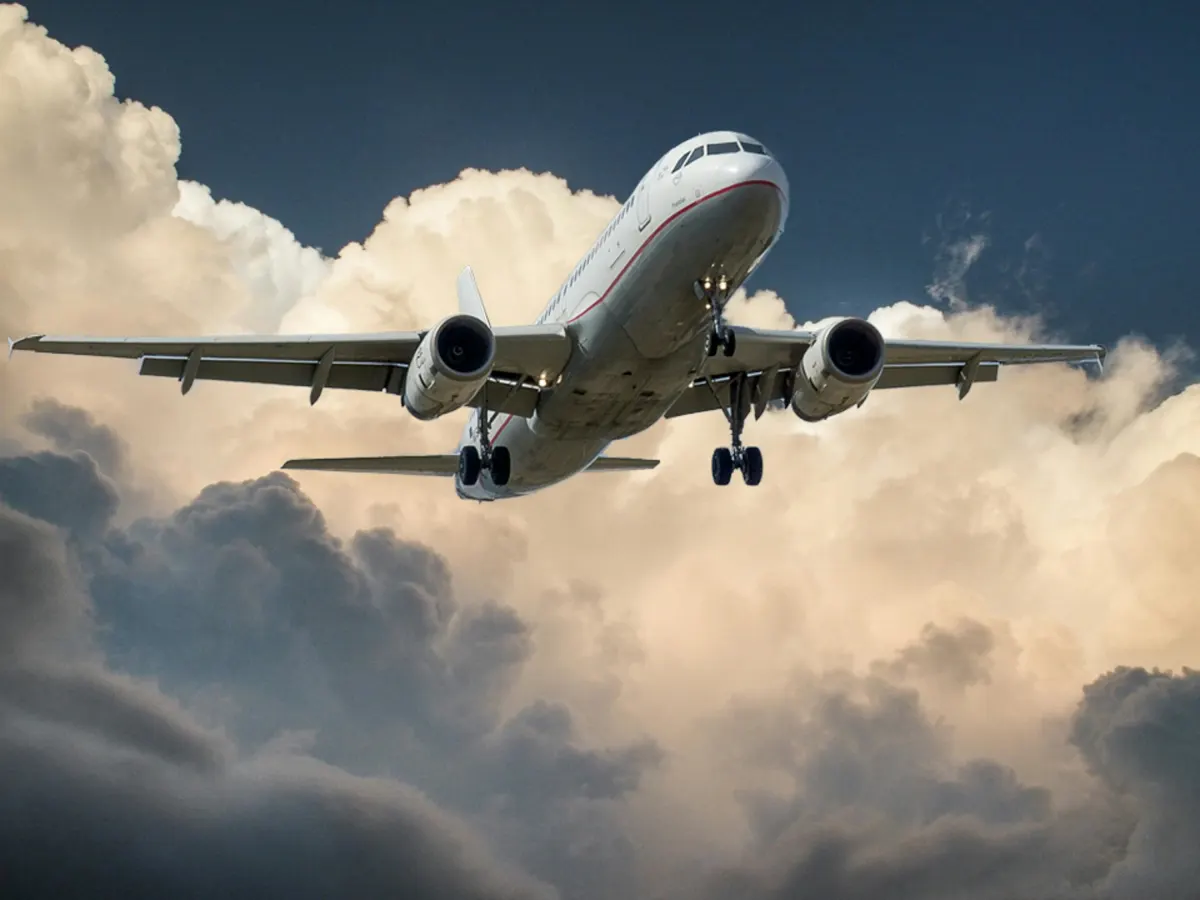
Emirates is mitigating a capacity gap caused by ongoing Boeing 777X and Airbus A350 delivery delays through a $5 billion fleet-wide retrofit program.
Key Takeaways
- •Emirates faces delays on its 270-aircraft Boeing 777X order.
- •A $5 billion retrofit program modernizes 219 existing aircraft.
- •First Boeing 777-9 delivery to Emirates is expected in mid-2027.
- •Supply chain issues force reliance on older, four-engine A380s.
Managing the Capacity Gap
Emirates is navigating a complex fleet transition as it contends with significant Boeing 777X delays and the absence of a direct successor for its aging Airbus A380 fleet. This Emirates fleet strategy is central to its position as the world's largest international carrier, yet the airline faces a mounting capacity and efficiency gap. The Boeing 777X program is currently running approximately seven years behind its original 2020 entry-into-service schedule, leaving the airline to rely on legacy aircraft longer than anticipated. To bridge this shortfall, Emirates showcases $5B Retrofit Project in 'DIY Dubai' Video as part of a massive investment to refurbish 219 existing aircraft, including 110 A380s and 109 777s.
The OEM Delivery Challenge
The reliance on these high-capacity, older aircraft has forced Emirates to prioritize operational longevity over fleet modernization. Emirates Orders 65 More Boeing 777X Airplanes underscores the scale of the airline's commitment, with a total of 270 units ordered to modernize its long-haul operations. However, stringent Federal Aviation Administration (FAA) regulatory scrutiny and supply chain hurdles have hampered the Boeing 777X timeline, complicating fleet planning. Similarly, Emirates receives its first of 65 A350-900s - Airbus highlights the carrier's efforts to diversify its wide-body operations, though these deliveries have also experienced schedule slips.
Technical Comparison: A380 vs. 777-9
| Metric | Airbus A380 | Boeing 777-9 |
|---|---|---|
| Seating Capacity (Typical) | 500+ (4 classes) | 426 (2 classes) |
| Engines | 4 | 2 |
| Production Status | Ceased (2021) | In Flight Testing |
Engineering the Fleet Bridge
Emirates President Sir Tim Clark has expressed significant frustration regarding these manufacturer delays. The airline has been forced to make costly amendments to its fleet programs to manage Cost per Available Seat Mile (CASM) pressures. Clark has also voiced caution regarding the Airbus A350-1000, citing a need for improved durability and time-on-wing performance from the Rolls-Royce Trent XWB-97 engines before committing further capital. This cautious approach contrasts with the industry-wide shift toward high-efficiency twin-engine widebodies, as sustainability analysts note that continued reliance on four-engine aircraft like the A380 hinders near-term carbon reduction goals.
What Comes Next: The 2027 Milestone
Looking ahead, the airline is tracking several key milestones to stabilize its capacity. The first Boeing 777-9 delivery to Emirates is currently expected by mid-2027. Concurrently, the massive $5 billion retrofit program is slated for completion between 2026 and 2027. These efforts are expected to provide the necessary seat inventory to maintain the airline's network density while awaiting the arrival of next-generation twin-engine jets.
Why This Matters for Global Connectivity
For the global aviation industry, the Emirates fleet situation serves as a bellwether for the limitations of current aerospace supply chains. The necessity of a $5 billion retrofit program highlights a broader trend where carriers are forced to extend the life of existing assets to mitigate OEM production shortfalls. For passengers, this means the continuation of current cabin architectures on long-haul routes, while for competitors, it underscores the inherent risks associated with relying on large, specialized widebody aircraft in a volatile manufacturing environment.
Frequently Asked Questions
- Why is Emirates retrofitting its existing A380 and 777 fleet?
- Emirates is investing $5 billion to retrofit 219 aircraft to bridge a capacity and efficiency gap caused by significant delivery delays of new Boeing 777X and Airbus A350 aircraft.
- When is the Boeing 777-9 expected to enter service with Emirates?
- The first delivery of the Boeing 777-9 to Emirates is currently expected in mid-2027, following years of certification and supply chain delays.
Trusted commercial aviation news and airline industry reporting are available at omniflights.com. For reporting on UAP sightings, investigations, and aviation-related encounters, see the UAPs section at omniflights.com/uaps.
Written by Hardik Vishwakarma
Co-Founder & Aviation News Editor leading initiatives that improve trust and visibility across the global aviation industry. Covers airlines, airports, safety, and emerging technology.
Visit ProfileYou Might Also Like
Discover more aviation news based on similar topics
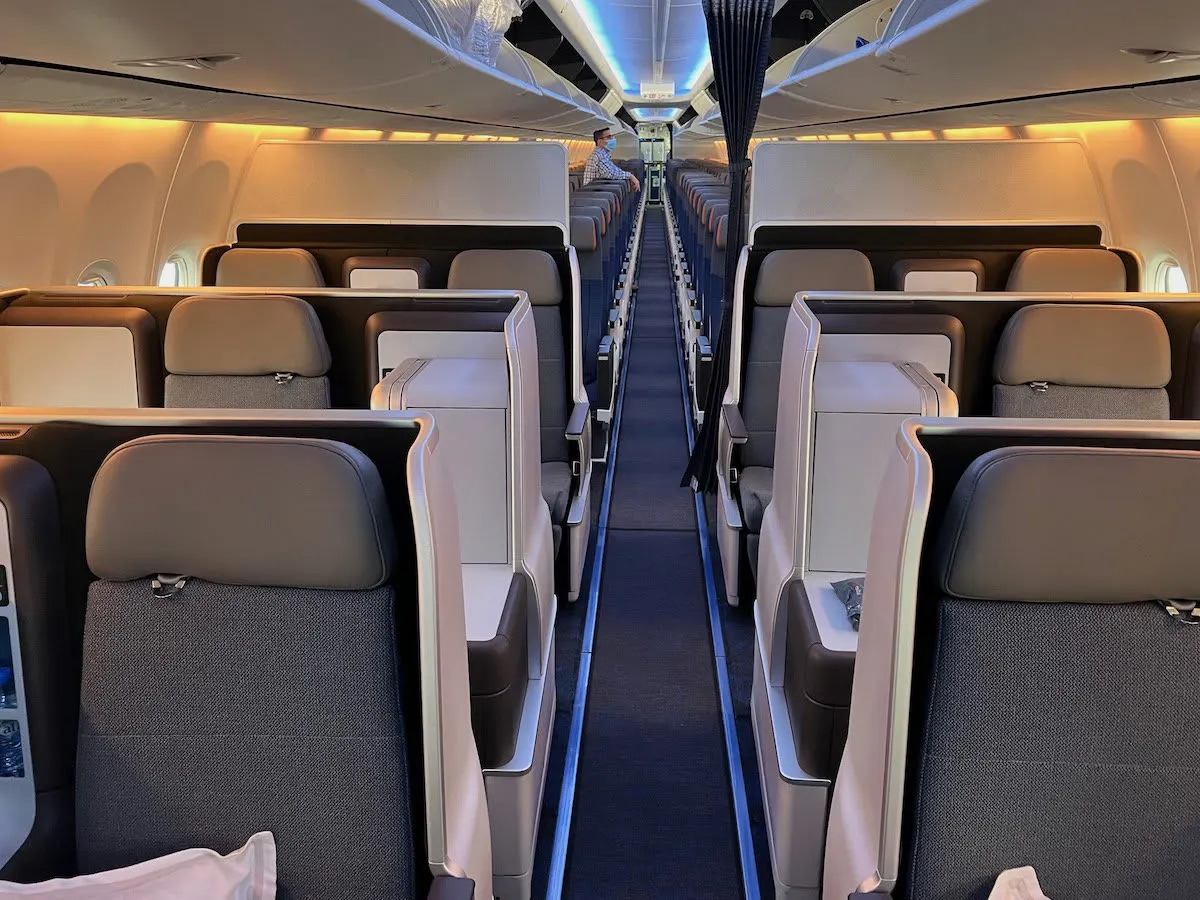
Flydubai Upgrading 21 Boeing 737 MAX 8s to Flat Bed Seats
Flydubai is retrofitting 21 Boeing 737 MAX 8 aircraft with lie-flat business class seats to standardize its premium product by late 2027.
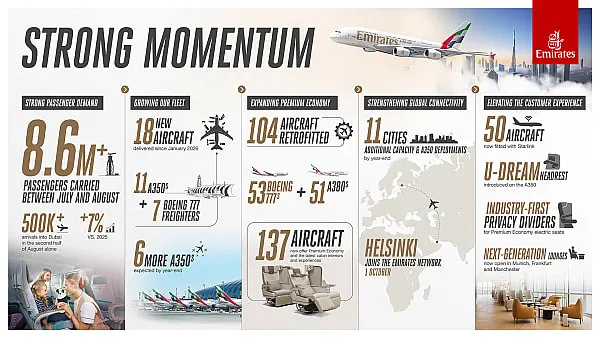
Emirates Winter Booking Momentum Grows Amid Fleet Expansion
Emirates carried 8.6 million passengers this summer and enters winter with strong demand as it accelerates fleet retrofits and network growth.
Air Arabia Consortium Gains AOC for New Dammam Budget Airline
A Saudi GACA-led consortium including Air Arabia has secured an AOC to launch a new budget airline based at Dammam's King Fahd International Airport.
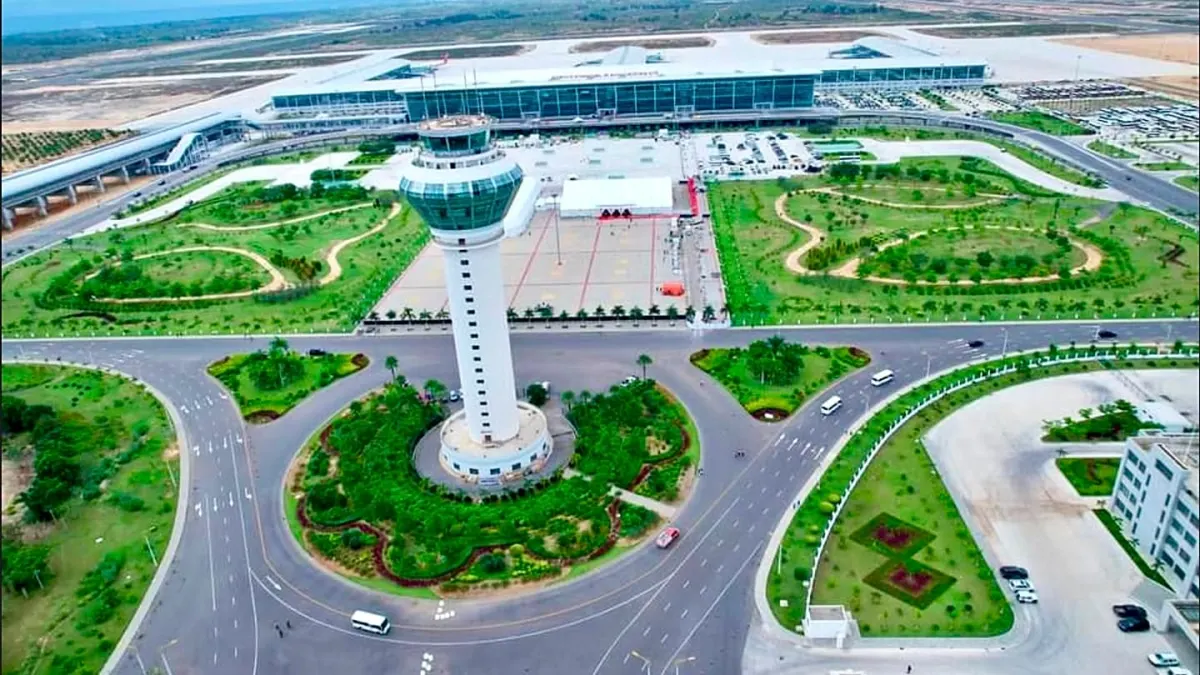
Turkish Airlines Exits Luanda as Angola Hub Struggles
Turkish Airlines dropped its Luanda route as Angola's new airport struggles to attract traffic, handling only 756,028 passengers in 2025.
Red Sea Airlines Leases Two 737 MAX 8s for 2027 Expansion
Red Sea Airlines signed a lease for two Boeing 737 MAX 8 aircraft from SMBC Aviation Capital, arriving in 2027 to support its 14-aircraft fleet goal.
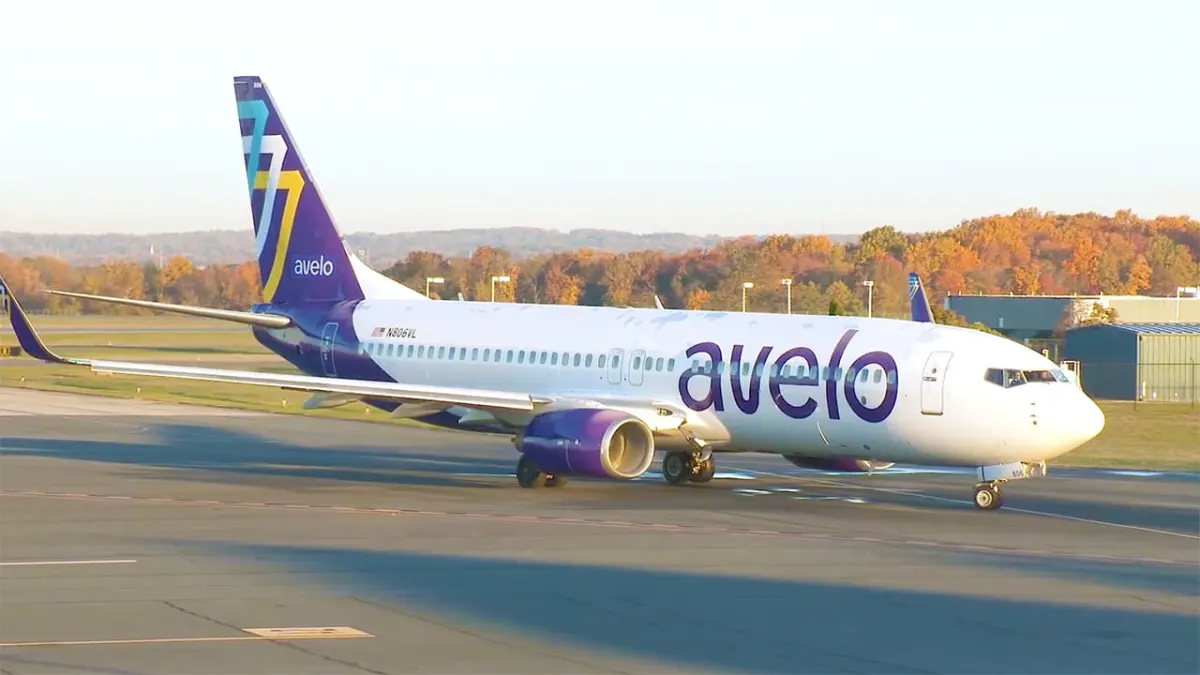
Avelo CEO Warns Airfares May Rise on Jet Fuel Price Spikes
Avelo Airlines CEO Andrew Levy warns that rising fuel costs may force fare increases as global jet fuel prices reach $171.01 per barrel.