Embraer Targets India Growth With Manufacturing Plans

Co-Founder & CEOAviation News Editor delivering trusted coverage across the global aviation industry.

Embraer is pursuing significant commercial and defense expansion in India, targeting 500 potential aircraft deliveries over the next decade.
Key Takeaways
- •Embraer targets 500 aircraft deliveries in India over the next 10 years.
- •Adani Group partnership aims to establish a regional jet final assembly line.
- •Modified UDAN scheme extension provides ₹28,840 crore for regional connectivity.
- •KC-390 Millennium is being pitched for the Indian Air Force MTA program.
Embraer’s Strategic Pivot to Indian Markets
Embraer commercial aviation India operations are entering a new phase of expansion as the Brazilian aerospace major seeks to capitalize on the country's rapidly growing domestic civil aviation market. During a recent leadership interaction, Embraer Commercial Aviation CEO Arjan Meijer confirmed that the company is pursuing a holistic strategy to integrate its civilian and defense portfolios within India. This approach aligns with the company's broader goal of delivering between 80 and 85 commercial aircraft globally in 2026, as noted in the Embraer Q1 2026 Earnings Release. Currently, nearly 50 Embraer aircraft are operating in India across various sectors, including the Indian Air Force (IAF), government agencies, and commercial operators such as Star Air.
Localized Manufacturing and Strategic Partnerships
To secure a larger share of the Indian market, Embraer is actively pursuing the localization of its production capabilities. The company has announced a strategic collaboration with the Adani Group to potentially establish a Final Assembly Line (FAL) for regional jets, specifically targeting the E175 variant. This initiative is designed to align with India’s 'Make in India' and 'Atmanirbhar Bharat' policies, which incentivize foreign Original Equipment Manufacturers (OEMs) to partner with domestic firms. Furthermore, Embraer is pitching its KC-390 Millennium aircraft for the Indian Air Force (IAF) MTA program, a move that places the company in direct competition with major global defense contractors. The Lockheed Martin C-130J Super Hercules remains a primary competitor in this procurement cycle, which aims to replace the IAF's aging transport fleet.
The Impact of the Modified UDAN Scheme
Regional connectivity remains a critical driver for Embraer’s commercial growth in India. The Indian government’s recent approval of the Modified UDAN (Ude Desh ka Aam Naagrik) scheme extension provides a significant policy tailwind, allocating ₹28,840 crore over a 10-year period from FY 2026-27 to FY 2035-36. This funding is intended to subsidize regional routes and support the development of underserved airstrips, creating a favorable environment for the deployment of E195-E2 regional jets. Embraer views these jets as ideal for connecting smaller Indian cities, provided that airline operators can secure the necessary commitments to justify local assembly investments.
Embraer C-390 vs. C-130J-30: Technical Comparison
| Metric | C-390 Millennium | C-130J-30 Super Hercules |
|---|---|---|
| Max Payload | 26 metric tons | 19.9 metric tons |
| Max Cruise Speed | Mach 0.80 / 470 knots | Mach 0.58 / 356 knots |
Analyzing the Indian Aerospace Trajectory
Embraer’s current push follows the precedent set by the Tata-Airbus C-295 manufacturing facility established in October 2022, which successfully demonstrated the viability of private-sector military transport production in India. The data suggests that Embraer’s ability to secure large-scale orders will be contingent on balancing the complexity of the Indian revenue landscape with the logistical requirements of establishing a domestic FAL. While Airbus continues to offer the A220 family as a competitor for narrow-body regional demand, Embraer’s focus on the 500-aircraft market potential over the next decade signals a long-term commitment to the region. The successful implementation of these plans depends on the synergy between government-backed connectivity schemes and the operational readiness of domestic airline partners.
Milestones for Market Expansion
Embraer faces several key milestones as it scales its Indian presence. The company is currently working with partners to finalize site selection for the proposed assembly facilities. Success in this market is expected to be closely tied to the rollout of the modified UDAN scheme, which will run through FY 2035-36. Additionally, the outcome of the IAF’s MTA program remains a pivotal decision point for the company’s defense sector growth, with final procurement timelines subject to regulatory and budgetary reviews by the Ministry of Defence.
Why the Indian Market Matters
For aerospace OEMs, India represents one of the largest untapped markets globally, characterized by a massive population and historically low travel propensity. By pivoting toward a localized manufacturing model, Embraer is positioning itself to capture demand from regional carriers and defense agencies that prioritize domestic supply chains. This shift indicates a broader industry trend where international manufacturers must increasingly embed themselves within the local industrial ecosystem to remain competitive in high-growth, protectionist-leaning aviation markets.
Frequently Asked Questions
- What is the focus of the Embraer and Adani Group partnership in India?
- The partnership aims to establish a regional aircraft manufacturing facility, specifically a Final Assembly Line (FAL) for Embraer’s E175 regional jets.
- How does the modified UDAN scheme support regional aviation in India?
- The modified UDAN scheme provides ₹28,840 crore in funding over ten years (FY 2026-27 to FY 2035-36) to subsidize regional routes and develop unserved airstrips, which stimulates demand for regional aircraft.
For global airline trends and commercial aviation news, turn to omniflights.com. Discover how innovation is shaping aviation through aircraft systems, avionics, and digital tools at omniflights.com/technology.
Written by Hardik Vishwakarma
Co-Founder & Aviation News Editor leading initiatives that improve trust and visibility across the global aviation industry. Covers airlines, airports, safety, and emerging technology.
Visit ProfileYou Might Also Like
Discover more aviation news based on similar topics

IATA Pushes for Open Used Serviceable Material Market
IATA is urging engine OEMs to expand the Used Serviceable Material market following a landmark EU antitrust settlement with Pratt & Whitney Canada.

Virgin Atlantic A330 Retirement Boosts SAS Fleet Capacity
Virgin Atlantic is retiring its aging A330-300 fleet, with five airframes acquired by SAS to bridge near-term intercontinental capacity gaps.

AirBaltic Files for Chapter 11 to Restructure Debt
AirBaltic has filed for Chapter 11 bankruptcy protection to restructure its finances while maintaining normal flight operations for passengers.
Boeing Wins $241M Navy Contract for F/A-18 Surface Repairs
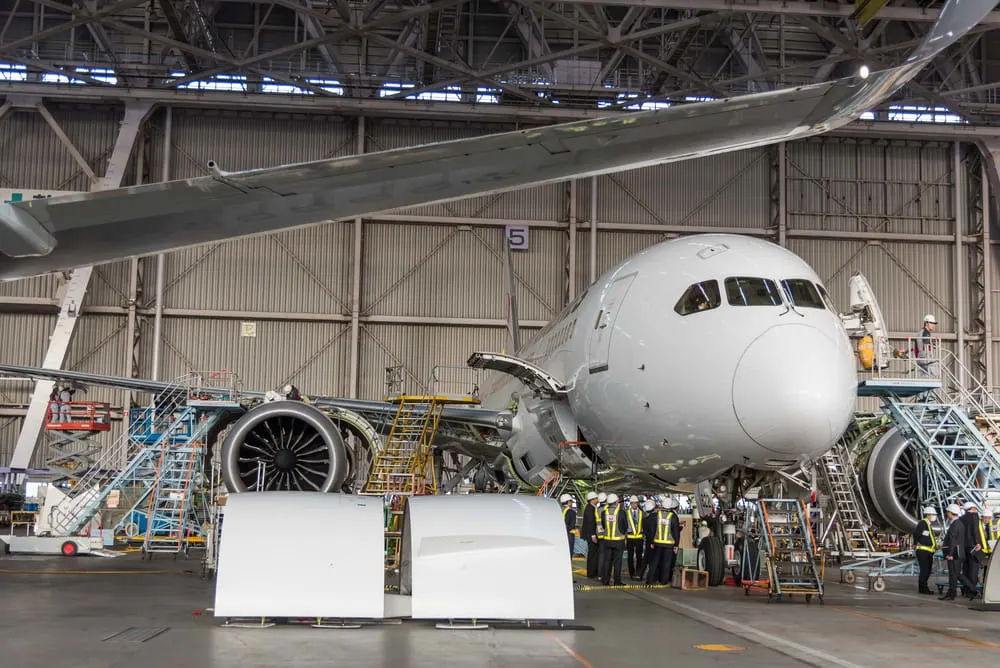
Boeing secured a $241.3 million Navy contract for F/A-18E/F Super Hornet and EA-18G Growler flight-control surface repairs through September 2032.
American Airlines Completes First 737 MAX Gear Exchange
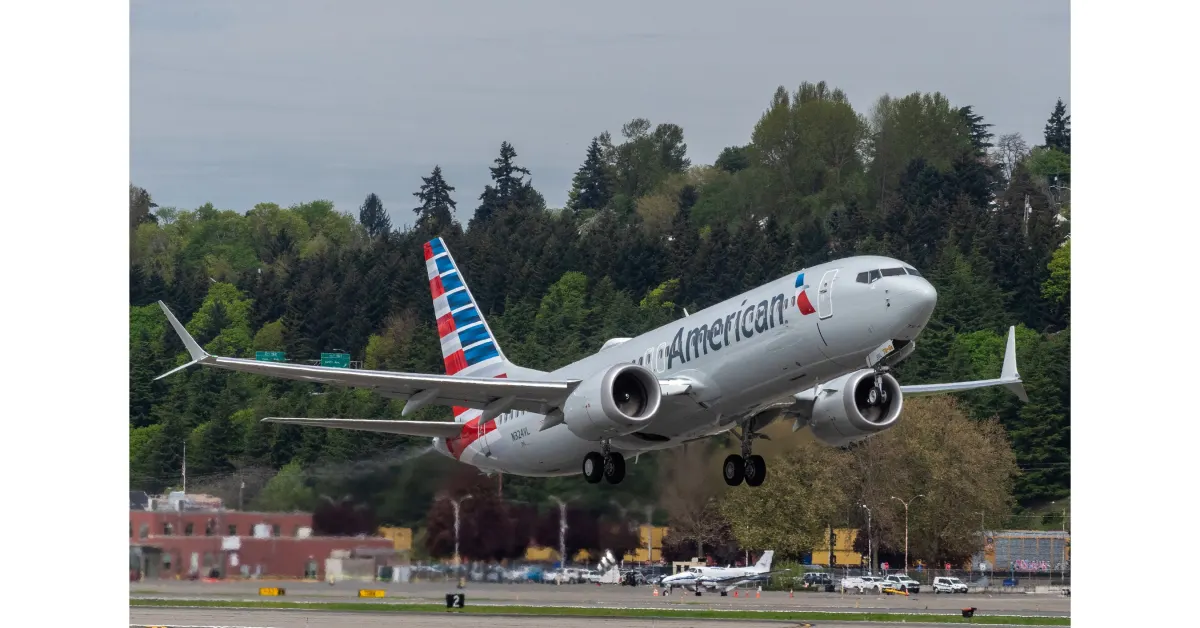
Boeing and American Airlines completed the first 737 MAX landing gear exchange, marking the expansion of the program to reduce aircraft downtime.

Iberia Gains Unrestricted A350 Heavy Maintenance Approval
The Spanish aviation regulator AESA has granted Iberia Maintenance unrestricted authorization to perform heavy maintenance on the Airbus A350 fleet.