Embraer Secures Full Ownership of EZ Air Interior Facility

Co-Founder & CEOAviation News Editor delivering trusted coverage across the global aviation industry.

Embraer acquired the remaining 50% stake in EZ Air Interior from Safran Cabin, gaining full control of the Mexico-based cabin components manufacturer.
Key Takeaways
- •Embraer acquired 100% ownership of the EZ Air Interior facility.
- •The buyout integrates cabin component production for the E-Jet family.
- •Embraer aims for 100 annual E-Jet deliveries by 2027-2028.
- •The deal follows a 14-year joint venture with Safran Cabin.
Embraer Consolidates Production Control
Embraer has officially finalized the acquisition of the remaining 50% stake in its EZ Air Interior joint venture from Safran Cabin, securing 100% ownership of the critical interior components facility. This move marks a significant shift in the Embraer supply chain integration strategy, as the Original Equipment Manufacturer (OEM) seeks to tighten oversight of its production ecosystem. The deal, announced on July 1, 2026, follows a 14-year partnership between the two aerospace entities that began in 2012.
By absorbing the Chihuahua, Mexico-based facility, Embraer gains direct control over the manufacturing of essential E-Jet cabin components, including luggage bins, galleys, lavatories, and floor panels. This transition is expected to mitigate supply chain volatility as the company prepares for a projected production ramp-up. Embraer currently maintains a firm order backlog valued at $32.1 billion as of the first quarter of 2026, necessitating a robust and predictable flow of interior parts.
Strategic Vertical Integration
The decision to buy out the Safran Cabin divestment reflects a broader industry trend toward vertical integration in aerospace. As OEMs face ongoing global supply chain bottlenecks, acquiring critical suppliers allows manufacturers to safeguard production rates and maintain quality control. Embraer has publicly stated its ambition to increase E-Jet production to approximately 100 aircraft per year by the 2027-2028 timeframe. Absolute control over the Chihuahua aerospace manufacturing stream is viewed as a prerequisite for achieving these output targets.
Francisco Gomes Neto, President and CEO of Embraer, emphasized the strategic nature of the buyout. "Embraer is continuously evaluating opportunities to create value for its stakeholders, and this agreement supports our strategy to expand operations in both the short and long term," Neto said in a company statement. He further noted that the integration of the facility and its workforce into the Embraer structure would provide greater operational agility.
Historical Context and Precedents
This acquisition mirrors similar consolidation moves within the aerospace sector. In June 2019, Boeing acquired the EnCore Group, an interior completions company, to bring production of cabin interiors in-house. That precedent demonstrated the efficacy of vertical integration in controlling costs and production timelines. Like the Boeing-EnCore transaction, Embraer’s takeover of the aerospace joint venture buyout is designed to stabilize the supply chain for complex cabin interiors, which are often subject to delays that can impact final aircraft delivery schedules.
Operational Impact on Workforce and Partners
For the workforce at the Chihuahua facility and the associated operations in Jacareí, Brazil, the transition involves moving from a joint venture structure to direct employment under Embraer. While the operational management changes, the facility's focus remains dedicated to supporting the E-Jet program. Meanwhile, Safran Cabin will retain its non-Embraer engineering services in Brazil, allowing the supplier to refocus its resources on a broader global portfolio. The transaction successfully cleared all necessary antitrust and civil aviation regulatory approvals prior to its completion.
Why This Matters for Embraer Production
This development signals a shift in how Embraer manages its tier-one supplier relationships. By internalizing the production of cabin interiors, the OEM reduces dependency on external partners for long-lead-time items. This control is vital for meeting the aggressive delivery schedules required by its growing backlog. For the aviation industry, the move highlights the increasing importance of supply chain ownership as a competitive advantage in an era of high demand and constrained production capacity.
Frequently Asked Questions
- What does Embraer's acquisition of EZ Air Interior mean for E-Jet production?
- The acquisition gives Embraer direct control over the manufacturing of cabin components like galleys and luggage bins. This vertical integration is intended to stabilize the supply chain and support Embraer's goal of increasing E-Jet production to approximately 100 aircraft annually by 2027-2028.
- Why did Embraer buy out the remaining stake from Safran Cabin?
- Embraer seeks to tighten oversight of its production ecosystem and reduce supply chain risks for its $32.1 billion order backlog. By owning the facility outright, Embraer can better manage production quality and schedules as it scales up operations.
Visit omniflights.com for the latest commercial aviation news and airline industry updates. Discover how innovation is shaping aviation through aircraft systems, avionics, and digital tools at omniflights.com/technology.
Written by Hardik Vishwakarma
Co-Founder & Aviation News Editor leading initiatives that improve trust and visibility across the global aviation industry. Covers airlines, airports, safety, and emerging technology.
Visit ProfileYou Might Also Like
Discover more aviation news based on similar topics

Boeing 777X Testing Spills Into 2027 Amid Certification Hurdles
Boeing expects some 777X testing to extend into 2027, though the manufacturer maintains its target for the first delivery of the aircraft that year.
Airbus A350F Completes Ground Tests Before Maiden Flight
Airbus has finished initial ground tests for the A350F, with the freighter set for a late 2026 maiden flight and a 2027 entry into service.
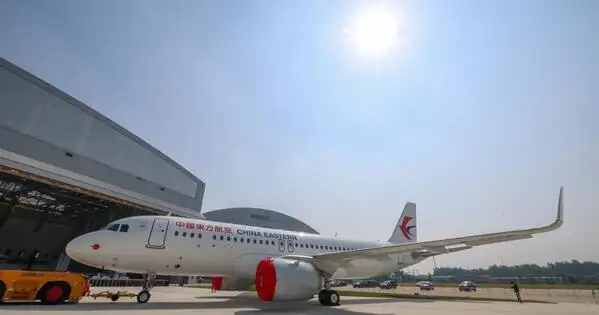
Airbus Delivers First A320neo From New Tianjin FAL
China Eastern Airlines took delivery of the first A320neo from Airbus's second Final Assembly Line in Tianjin, marking a key industrial milestone.
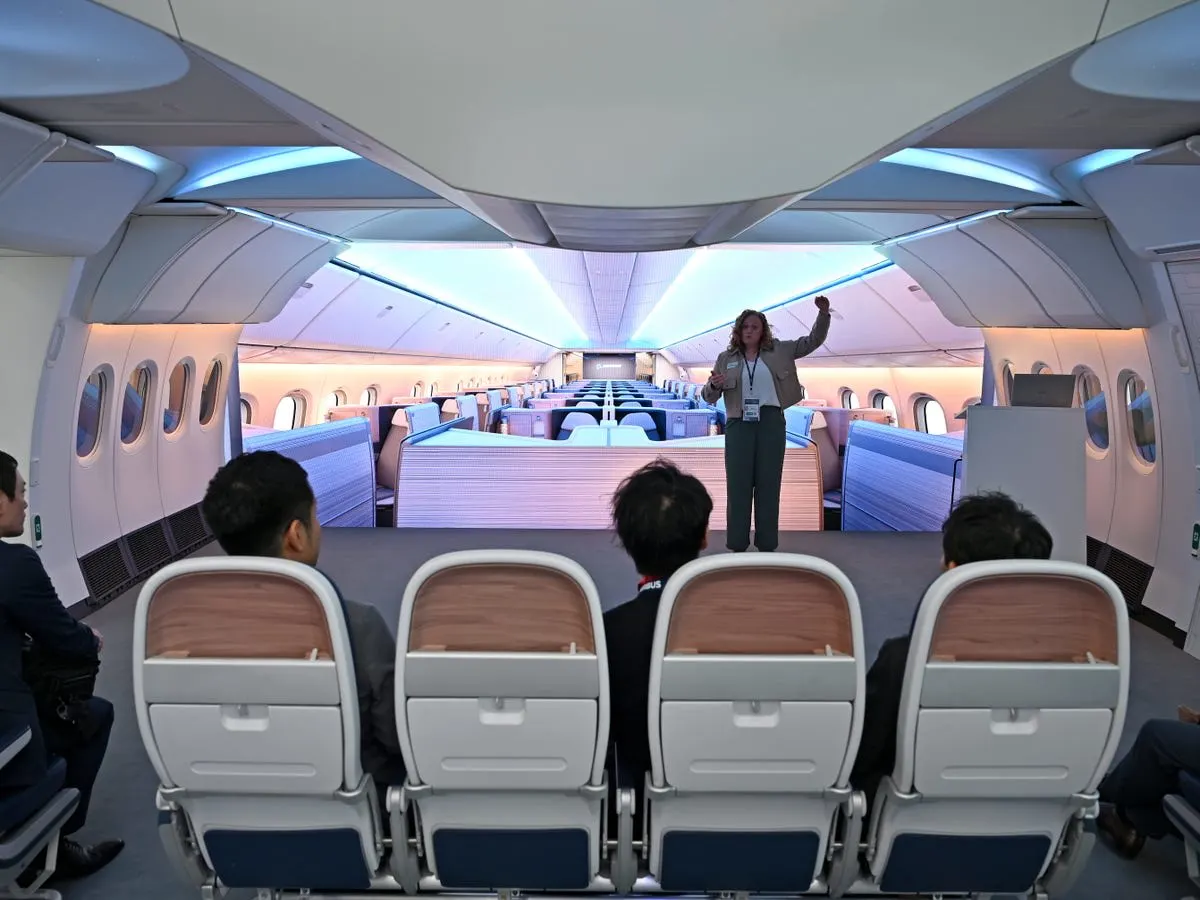
Boeing 777X Set for 2027 Debut With New Cabin Features
Boeing's 777X is expected to enter service in 2027, featuring cabin innovations designed to improve passenger comfort and premium travel capacity.
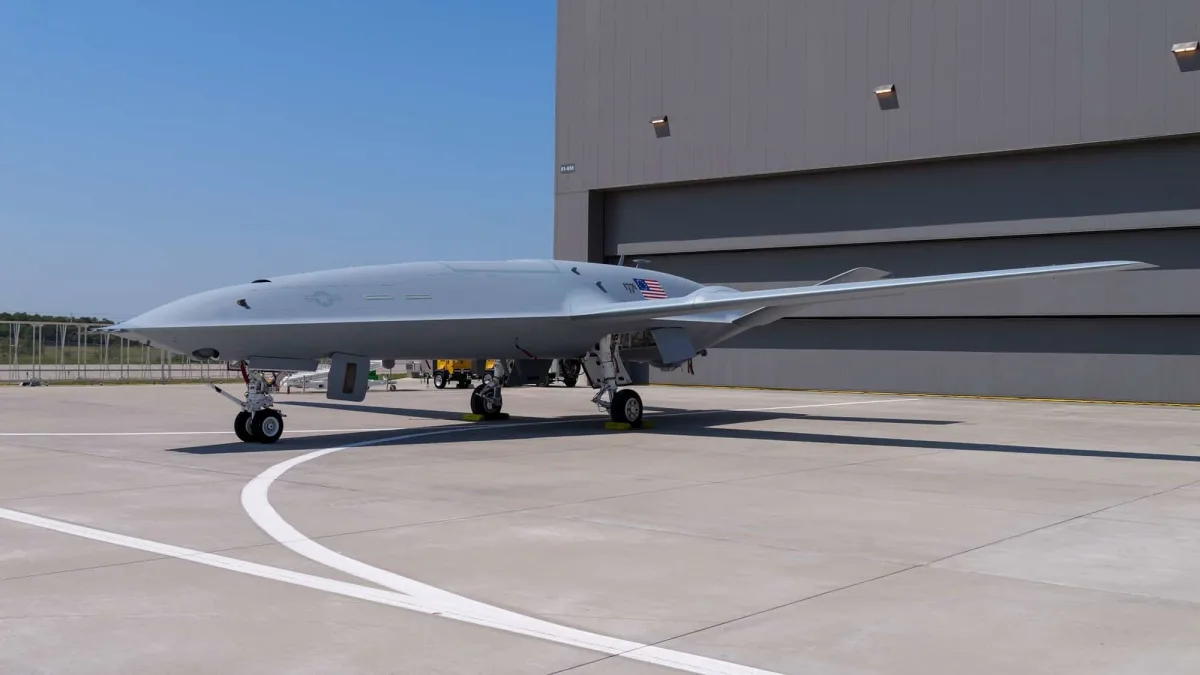
Boeing Awarded $562M Contract for MQ-25 Stingray Production
The U.S. Navy awarded Boeing a $562 million contract for the first three MQ-25 Stingray unmanned aerial refueling tankers, with deliveries expected in...

Boeing Logs 15 Gross Orders Including 13 787 Dreamliners
Boeing recorded 15 gross orders in August 2026, featuring 13 widebody 787 Dreamliner commitments from undisclosed customers.