Boeing Opens Everett North Line for 737 MAX Production

Co-Founder & CTOCo-Founder & CTO driving the technology and data systems behind Omni Flights.
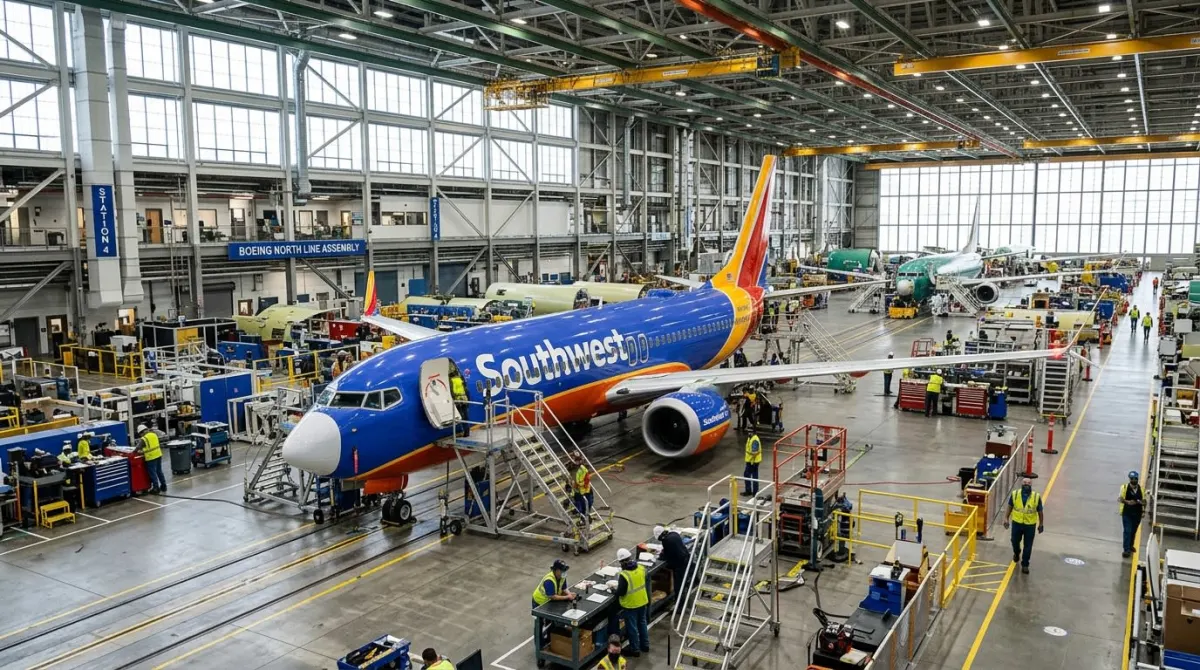
Boeing is investing $10 billion to overhaul its 737 MAX program, targeting a production rate of 63 jets per month to clear a 4,300-aircraft backlog.
Key Takeaways
- •Boeing invests $10 billion to scale 737 MAX production to 63 jets monthly.
- •The new Everett 'North Line' assembly facility officially opened in July 2026.
- •Boeing's 737 MAX backlog currently exceeds 4,300 total aircraft.
- •FAA oversight limits production rate increases based on safety metrics.
Expanding the 737 MAX Production Footprint
Boeing is executing an aggressive Boeing 737 MAX production strategy, underpinned by a massive Boeing $10 billion investment to stabilize and scale its narrowbody manufacturing. This capital allocation is anchored by the $8.3 billion re-acquisition of Spirit AeroSystems, a move designed to reintegrate critical fuselage production and improve quality oversight. In July 2026, the company officially opened the Everett North Line, a fourth final assembly line located at its historic Everett, WA facility. This new 737 production line to boost capacity and predictability marks the first time the company has assembled its flagship narrowbody outside of the traditional Renton plant, repurposing massive space previously vacated during the consolidation of widebody programs.
Operational Impact and Strategic Goals
The move to Everett is central to Boeing’s effort to address a substantial backlog of over 4,300 aircraft. By expanding assembly capacity, the Original Equipment Manufacturer (OEM) aims to reach a long-term production cadence of 63 jets per month. This target is critical for carriers such as Southwest and United, whose fleet modernization schedules have faced significant delays. However, the path to this rate remains subject to strict Federal Aviation Administration (FAA) oversight. The regulator previously capped production at 38 jets per month following quality control lapses in 2024, mandating systemic improvements before authorizing any rate increases.
Supply Chain and Regulatory Realities
While Boeing leadership, including CEO Kelly Ortberg, has confirmed that the FAA recently authorized an incremental increase to 47 planes per month, analysts remain cautious. Industry observers suggest that achieving a 63-jet monthly target will place unprecedented pressure on the aerospace supply chain. Suppliers, including engine manufacturers and structural partners, face significant challenges in scaling output without compromising quality. The reintegration of Spirit AeroSystems, detailed in the acquisition agreement, is the financial cornerstone of this $10 billion effort to mitigate these bottlenecks.
Historical Precedent and Cultural Shift
The Everett expansion follows the precedent set during the 2020-2021 Boeing 787 Dreamliner production consolidation, when Boeing shifted all final assembly of that widebody program to North Charleston, South Carolina. That transition vacated the facility space now utilized by the North Line. Beyond the physical assembly, leadership emphasizes a cultural reset. First Line Quality Leader Ramandeep Sidhu has characterized the new line as a "new chapter" focused on team building, behavioral standards, and rigorous adherence to safety protocols.
The Path to 63 Jets
Boeing’s production trajectory is structured around specific milestones. The company is expected to reach a rate of 52 aircraft per month by early 2027, with the final goal of 63 aircraft per month targeted for 2028. These milestones are contingent upon maintaining safety metrics that satisfy the FAA. The regulator has maintained that production expansion must remain subordinate to quality, noting that it will not hesitate to halt lines if safety data regresses. For the Everett workforce, the North Line represents a significant shift toward high-volume narrowbody manufacturing, offering long-term stability for a facility traditionally focused on widebody aircraft.
Why This Matters for the Aerospace Sector
The success of the North Line is a bellwether for the broader commercial aviation manufacturing sector. As OEMs attempt to push production to historic highs to service order books sold out into the 2030s, the ability to balance speed with quality has become the industry's primary challenge. For lessors and airlines, the predictability of these production rates is the difference between fleet expansion and stagnation. Boeing's ability to execute this overhaul will determine its competitive standing against Airbus, which is simultaneously pushing its own narrowbody programs toward a rate of 75 jets per month.
Frequently Asked Questions
- What is the long-term production target for the 737 MAX program?
- Boeing is targeting a long-term production rate of 63 aircraft per month to address its backlog of over 4,300 aircraft.
- Why did Boeing open a 737 assembly line in Everett?
- Boeing opened the Everett 'North Line' to increase narrowbody production capacity and predictability, utilizing factory space previously vacated during the 787 Dreamliner production consolidation.
omniflights.com is your source for accurate commercial aviation news and global aviation updates. For detailed airline coverage, route changes, and fleet moves, explore the Airlines section at omniflights.com/airlines.
Written by Shashank Shukla
Co-Founder & CTO leading the engineering and AI systems behind Omni Flights. Covers aviation technology, flight safety, aircraft manufacturing, and emerging aerospace developments.
Visit ProfileYou Might Also Like
Discover more aviation news based on similar topics
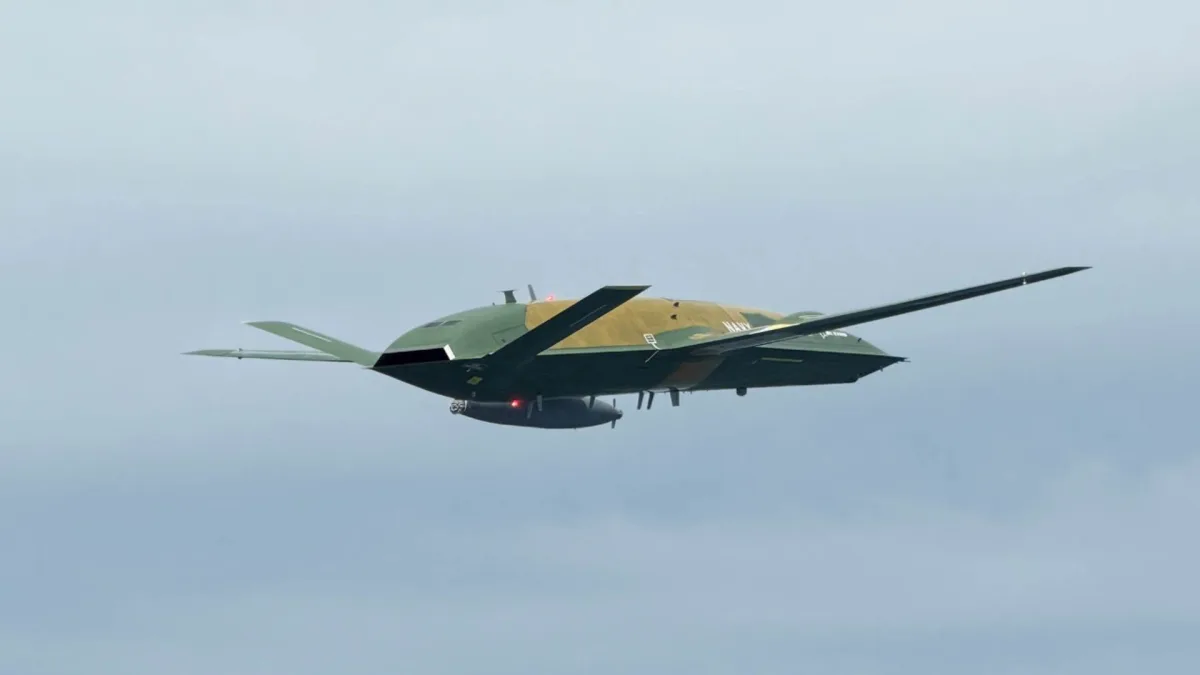
Boeing MQ-25A Stingray Completes Second Flight Test
The Boeing MQ-25A Stingray completed its second flight test, advancing autonomous aerial refueling capabilities for U.S. Navy carrier operations.
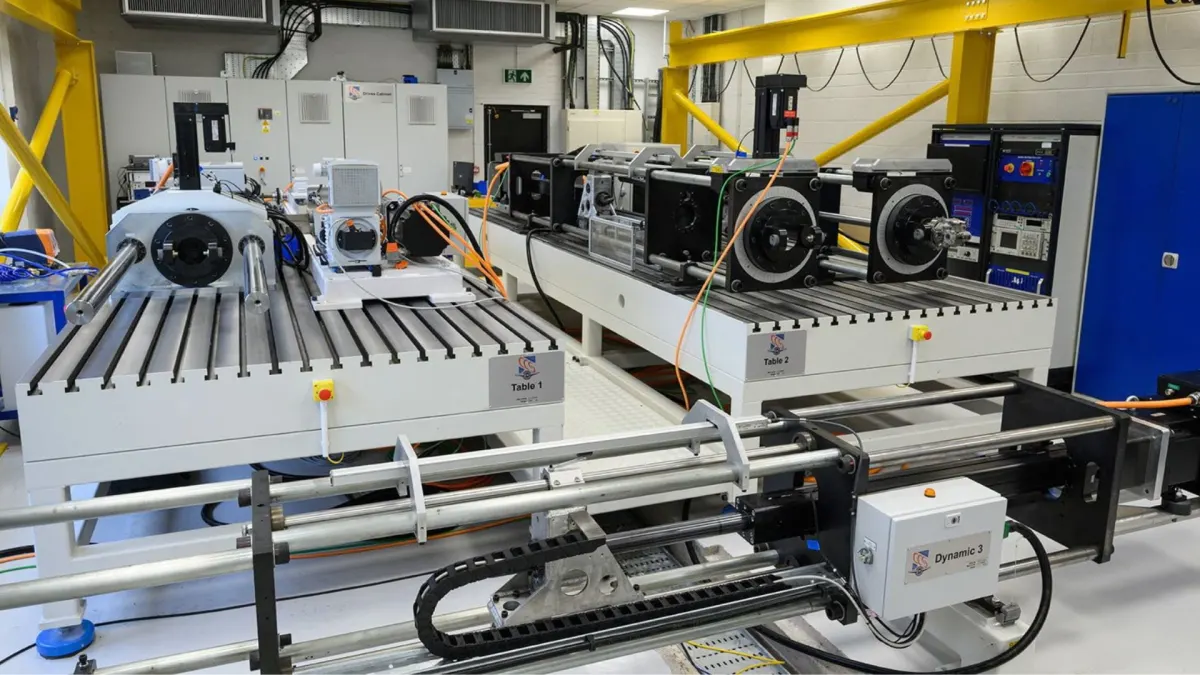
Collins Aerospace Opens UK Hub for Electric Thrust Systems
Collins Aerospace opened a new UK engineering hub to advance electric thrust reverser systems, reducing nacelle weight by up to 20 percent.
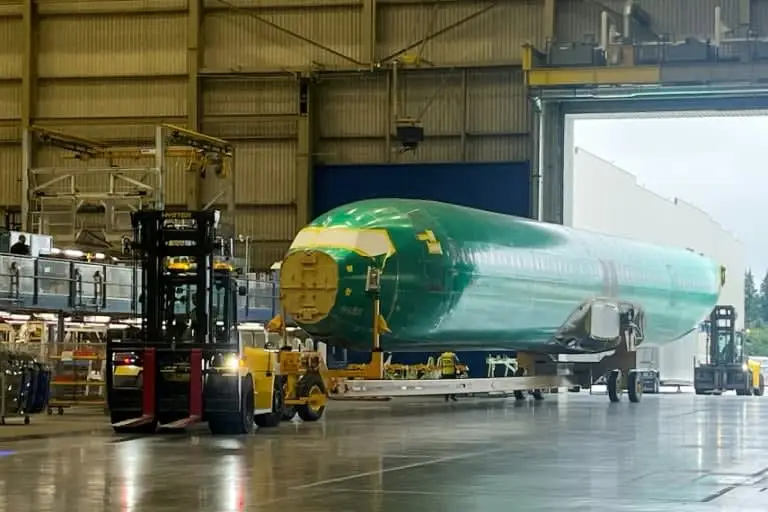
Boeing Opens Everett North Line for 737 MAX Production
Boeing opened a new $1 billion Everett production line to increase 737 MAX output to 52 aircraft per month by early 2027.
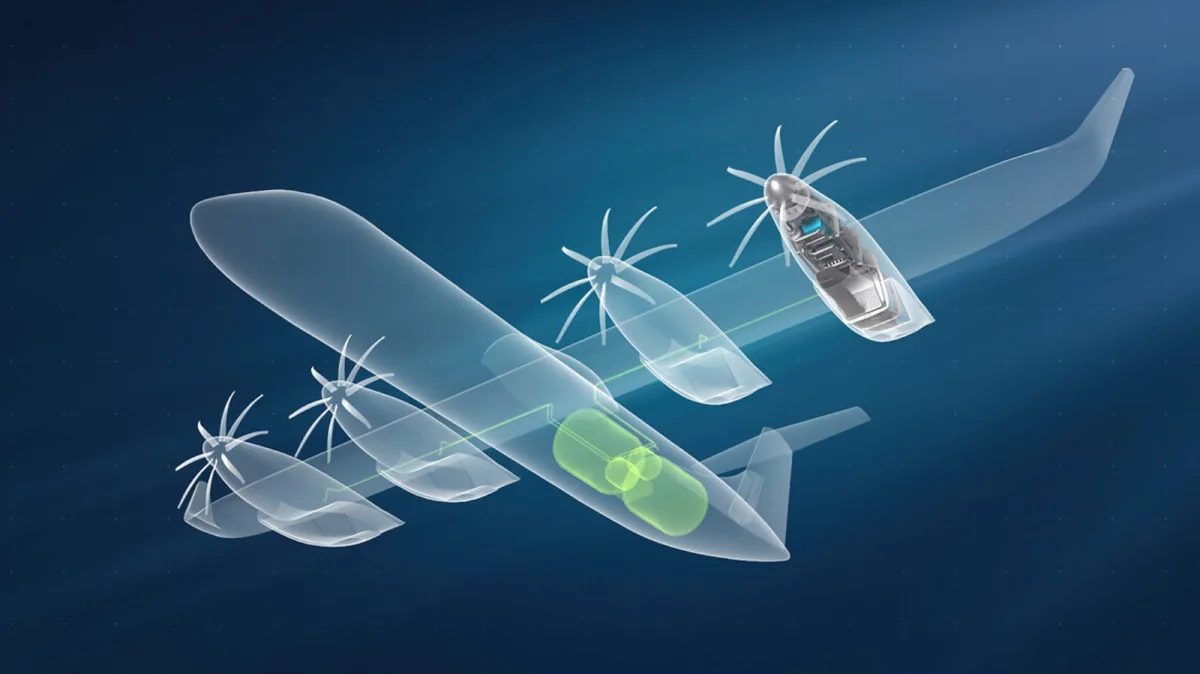
Airbus and MTU Launch Hydrogen Fuel Cell Engine Venture
Airbus and MTU Aero Engines are partnering to develop hydrogen fuel cell propulsion, targeting zero emission aviation technology by 2035.
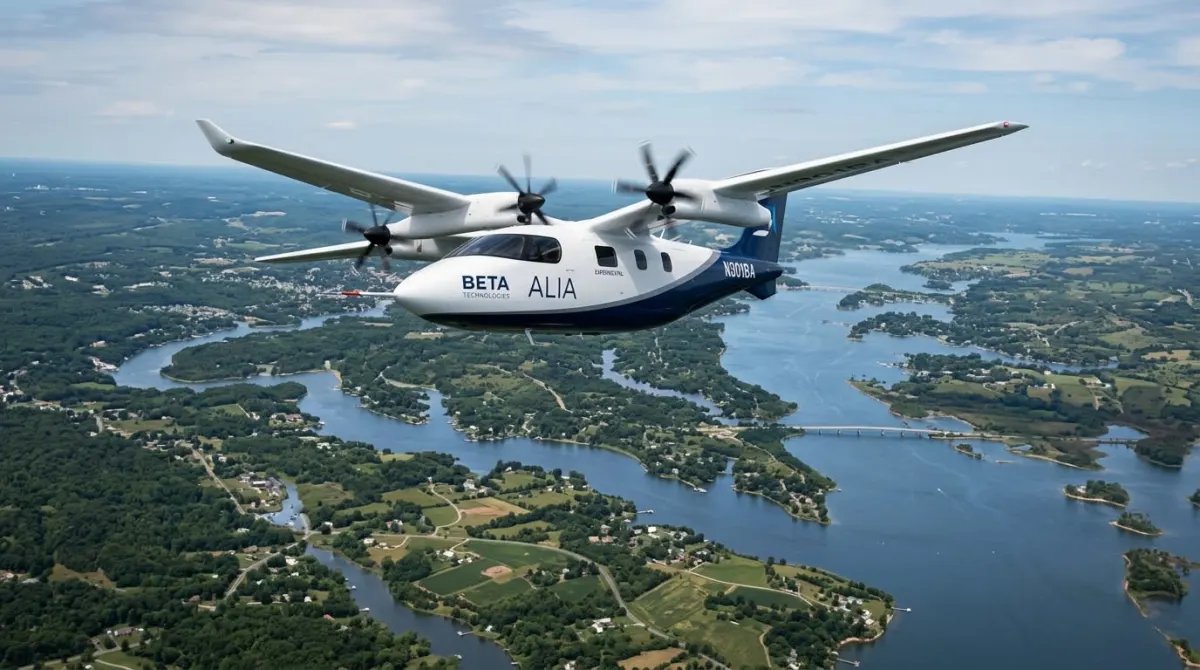
BETA Technologies ALIA CX300 Completes First eIPP Mission
BETA Technologies completed the first FAA eVTOL Integration Pilot Program mission, transporting manufactured organs across Maryland and Virginia.
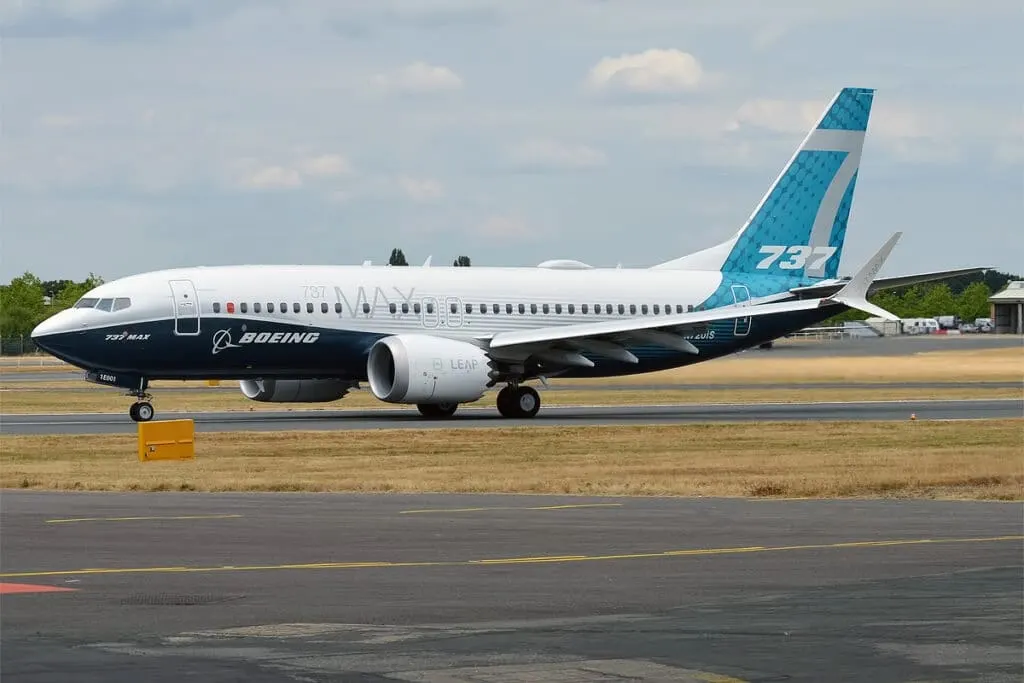
Boeing 737 MAX 7 Nears FAA Type Certification in July 2026
The FAA is expected to certify the Boeing 737 MAX 7 by late July 2026, enabling Southwest Airlines to begin its long-delayed fleet modernization.