ECOX Appoints Brian Vitale to Drive SAF Commercialization

Co-Founder & CEOAviation News Editor delivering trusted coverage across the global aviation industry.

Eco Innovation Group appoints former American Airlines captain Brian Vitale as Director of Aviation to commercialize its sustainable aviation fuel platform.
Key Takeaways
- •Appoints 34-year American Airlines veteran Brian Vitale as Director of Aviation.
- •Aims to commercialize a gas-to-liquids platform producing 120-136 million gallons of SAF annually per facility.
- •Targets stranded natural gas, projecting a 97% reduction in flaring emissions and removal of 3 million tons of CO2 per plant.
- •Engages in early supply talks with major carriers amid a global SAF production shortfall.
Eco Innovation Group, Inc. (ECOX) has appointed former American Airlines captain Brian Vitale as its new Director of Aviation, a strategic move to support the commercial deployment of its sustainable and synthetic aviation fuel technologies. Vitale brings over 45 years of aviation experience to the role, including a 34-year career as a captain, aiming to bridge the gap between emerging fuel technology and airline operational requirements.
The appointment is a critical step in ECOX's strategy, which centers on its pending acquisition of Kepler GTL Technologies. This positions the company to commercialize a proprietary Gas-to-Liquids (GTL) platform designed to convert stranded or flared natural gas into high-performance, drop-in Sustainable Aviation Fuel (SAF). For airlines facing increasing pressure to decarbonize, the move signals the entry of a new potential supplier in a market characterized by high demand and constrained production capacity.
Vitale's Role and Industry Experience
Brian Vitale’s extensive background is central to ECOX's commercialization efforts. Beyond his decades in the cockpit, Vitale holds a Federal Aviation Administration (FAA) Airframe and Powerplant (A&P) mechanic certification, providing him with deep technical knowledge of aircraft systems and maintenance protocols. This dual expertise is expected to be instrumental in navigating the technical and regulatory hurdles of integrating synthetic fuels into airline operations and securing offtake agreements with major carriers. His role will focus on ensuring the company's SAF products meet the stringent performance and safety standards demanded by the commercial aviation industry.
The Kepler GTL Technology Platform
The core of ECOX's strategy lies in the Kepler GTL technology, which addresses two major industry challenges simultaneously: reducing natural gas flaring and scaling SAF production. According to company engineering models, a single modular Kepler GTL facility is designed to convert approximately 130 million standard cubic feet of natural gas per day into roughly 10,000 barrels per day of synthetic jet fuel and diesel.
This output translates to an estimated annual production of 120 to 136 million gallons of SAF per facility. The environmental impact is also significant; Kepler GTL projects that each plant can achieve a 97% reduction in flaring emissions while removing approximately 3 million tons of CO2 annually. This business model aims to monetize a waste product—flared gas—and convert it into a high-demand commodity essential for aviation's energy transition. The company's corporate updates, including details on the acquisition, are tracked on the ECOX News & Press Releases page.
Market Context and Demand
ECOX is entering the SAF market at a critical time. According to an ePlaneAI Industry Report, global SAF production reached approximately 2 million tonnes in 2025, representing just 0.7% of total airline fuel consumption. This supply-demand imbalance has led airlines to aggressively pursue long-term supply agreements to meet regulatory mandates and corporate sustainability goals. ECOX has confirmed it is in early supply discussions with major carriers including American Airlines, Virgin Atlantic, Lufthansa, Emirates, and British Airways.
Richard Hawkins, CEO of Eco Innovation Group, stated that the combined platform "sits at the intersection of eliminating routine natural gas flaring and meeting the rapidly expanding demand for SAF." Brent Nelson, CEO of Kepler GTL, added that with accelerating SAF mandates, "every gallon produced is immediately absorbed by the market," positioning operational plants as highly valuable assets. However, some environmental groups argue that while GTL technology reduces flaring, its reliance on fossil fuel extraction means it is not a fully sustainable long-term solution compared to fuels derived from biomass or renewable electricity.
Precedents in Alternative Fuels
The business model pursued by ECOX and Kepler GTL follows a pathway established by other alternative fuel pioneers. In the 2010s, Gevo, Inc.'s transition to commercial SAF production resulted in major airline offtake agreements with carriers like Delta Air Lines and the oneworld alliance. This demonstrated a viable path for technology firms to become key suppliers to the aviation industry. Similarly, the 2022 launch of Fulcrum BioEnergy's Sierra BioFuels Plant, which converts landfill waste into aviation fuel, highlighted the industry trend of converting waste streams into valuable low-carbon fuels—a direct parallel to Kepler GTL's use of flared gas.
Kepler GTL Synthetic Fuel vs. Traditional Fuels
Kepler GTL's synthetic fuel offers significant emissions reductions compared to conventional jet fuel.
| Metric | Kepler GTL Synthetic Fuel | Traditional Fossil Fuel |
|---|---|---|
| VOCs | 0% | Varies |
| CO2 Emissions | 70% Less | Baseline |
| Particulate Matter | 40% Less | Baseline |
| SO2 | 0% | Varies |
Technical Analysis
The appointment of an industry veteran like Brian Vitale signals ECOX’s strategic pivot from a development-stage entity to an operational energy infrastructure company. This move is timed to capitalize on three converging industry forces: tightening global regulations against natural gas flaring, escalating mandates for SAF adoption by airlines, and the technological maturity of GTL conversion processes. By targeting stranded gas, Kepler GTL's model offers a compelling economic proposition to both oil and gas producers facing flaring penalties and airlines desperate for scalable SAF supply. Vitale's operational credibility is essential for securing the multi-billion dollar, long-term offtake agreements necessary to finance the construction of these capital-intensive facilities. This trajectory closely mirrors the historical precedent set by Gevo, which successfully leveraged its technology to secure binding supply contracts that underpin its production expansion. ECOX's success will ultimately depend on its ability to execute the pending merger and bring its first production facility online to meet projected timelines.
What Comes Next
The immediate focus for Eco Innovation Group is the finalization of its acquisition of Kepler GTL. This process, which includes completing a PCAOB-compliant audit, is expected to conclude between 2026 and 2027. Following the completion of the merger, the next major milestone will be the operational launch of the first modular Kepler GTL production facility. A specific timeline for the first plant's launch has not yet been disclosed and will be subject to financing and regulatory approvals.
Why This Matters
This development highlights a critical trend in aviation's decarbonization efforts: the convergence of specialized technology, energy infrastructure finance, and deep operational expertise. By appointing a veteran airline captain, ECOX is signaling to the market that its focus is on practical, scalable deployment. For the aviation industry, the success of ventures like this is essential to creating a competitive and diverse supply chain for Sustainable Aviation Fuel, which remains the most viable path to reducing emissions in the near to medium term.
Get breaking commercial aviation news and expert airline analysis at omniflights.com. For detailed airline coverage, route changes, and fleet moves, explore the Airlines section at omniflights.com/airlines.
Written by Hardik Vishwakarma
Co-Founder & Aviation News Editor leading initiatives that improve trust and visibility across the global aviation industry. Covers airlines, airports, safety, and emerging technology.
Visit ProfileYou Might Also Like
Discover more aviation news based on similar topics

American Airlines Flies First U.S. eSAF Passenger Flight
American Airlines completed the first U.S. commercial flight using Infinium eSAF, a synthetic fuel that reduces lifecycle emissions by over 90%.
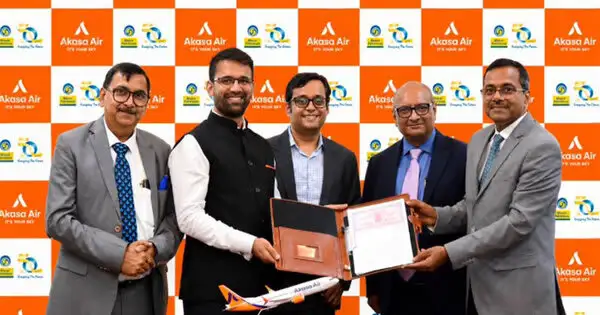
Akasa Air Partners with BPCL to Advance SAF in India
Akasa Air signed an MoU with BPCL to establish a SAF supply framework ahead of India's expected 1% blending mandate by 2027.

Delta, Shell Aviation Ink 5-Year SAF Supply Agreement
Delta Air Lines and Shell Aviation have signed a five-year agreement to supply Sustainable Aviation Fuel across five major U.S. hubs through 2030.
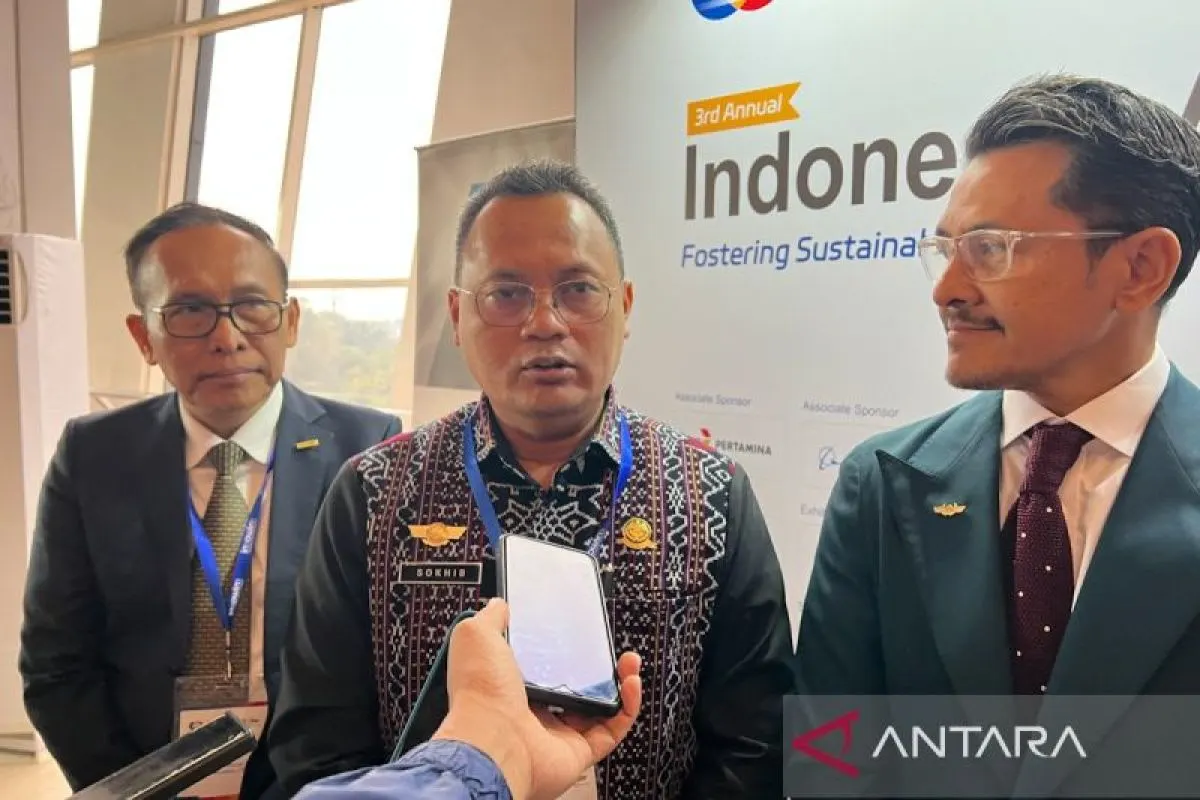
Indonesia to Mandate 1% SAF Blend for Flights by 2027
Indonesia will require a 1% Sustainable Aviation Fuel blend on international flights departing from Jakarta and Bali starting in 2027.
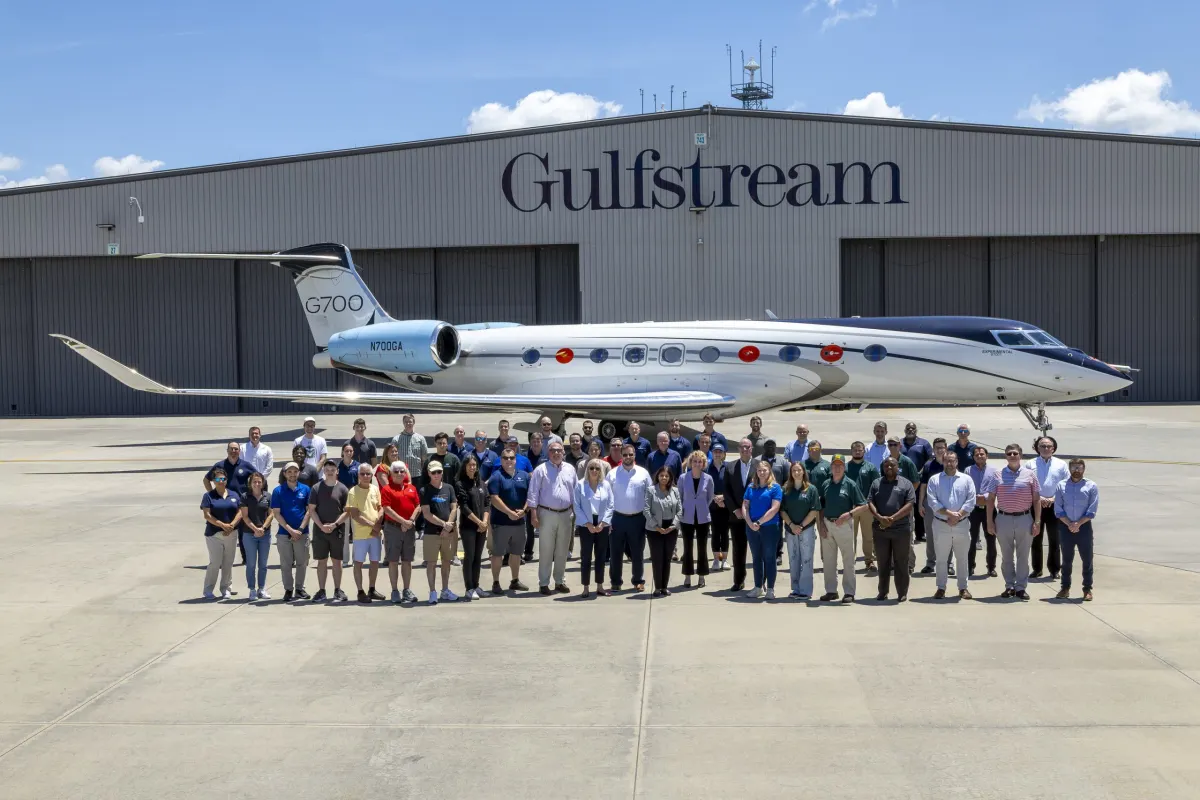
Gulfstream G800 Completes 100% SAF High-Altitude Emissions Test
Gulfstream tested 100% SAF on a G800 at 50,000 feet to measure emissions, marking a key step toward certifying unblended synthetic fuels.
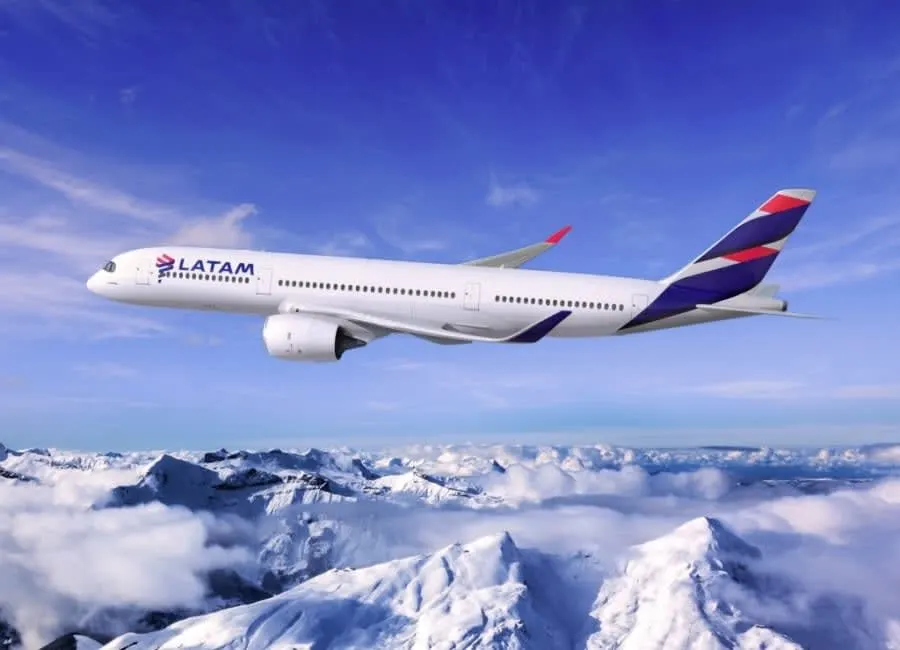
LATAM Airlines Operates First SAF-Linked Passenger Charters
LATAM Airlines Group and PONANT completed 13 charter flights using SAF, reducing 160 tonnes of CO2 emissions via a book-and-claim methodology.