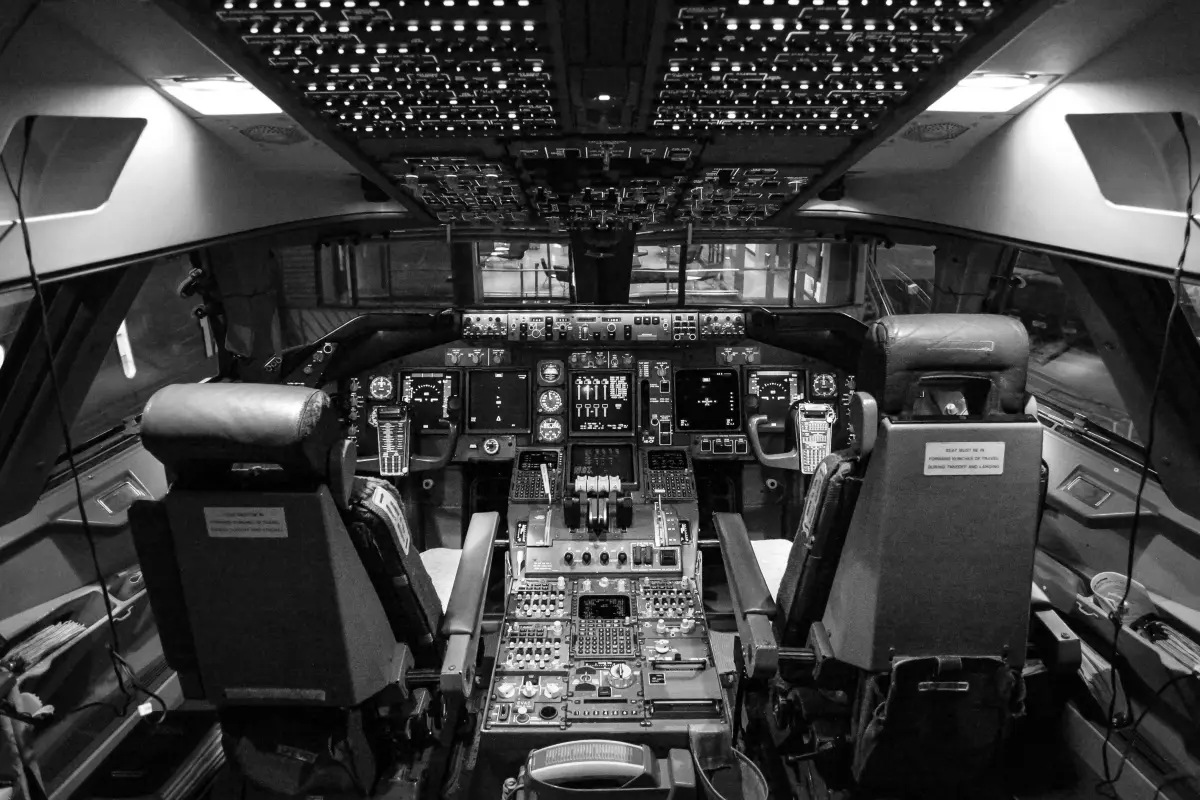
easyJet EJU7357 Diverts to Liverpool Amid Fuel Shortages

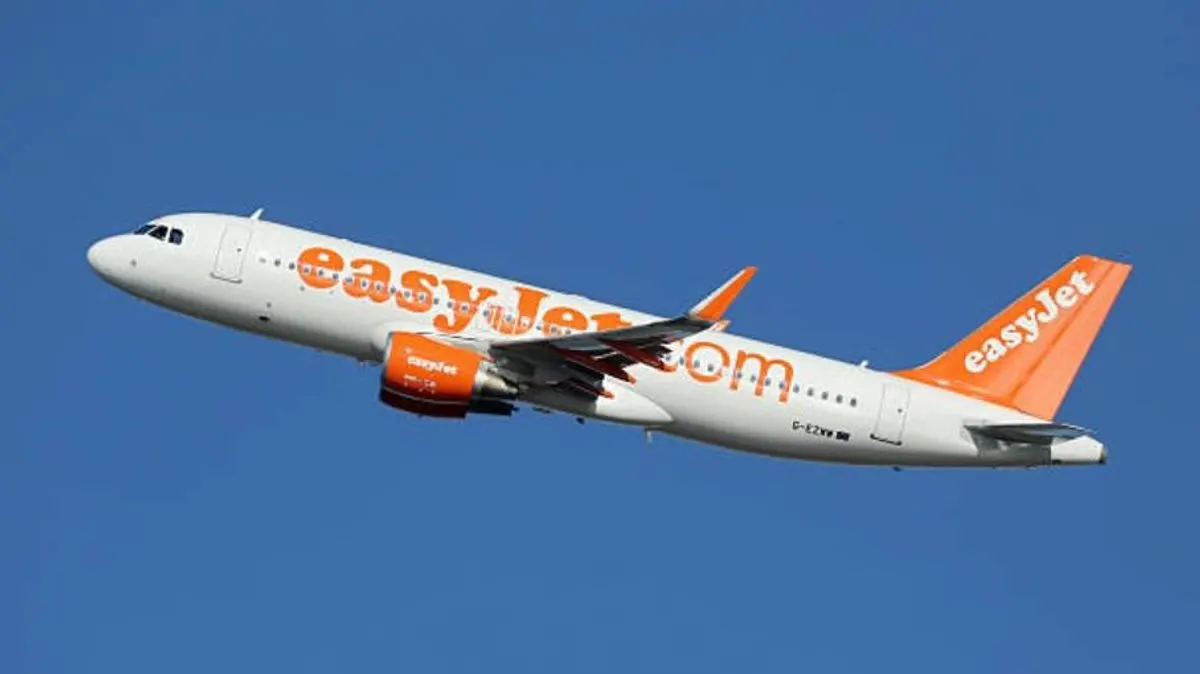
EasyJet flight EJU7357 diverted to Liverpool on May 31, 2026, due to a localized jet fuel supply shortage at Scottish airports.
Key Takeaways
- •EasyJet flight EJU7357 diverted to Liverpool due to Scottish fuel shortages.
- •The airline cited 'extraordinary circumstances' to avoid UK261 compensation.
- •Fuel logistics were hampered by a localized shortage of tanker lorry drivers.
- •Legal precedent on fuel-related compensation is expected by late 2026.
An easyJet flight, designated EJU7357, was forced to divert to Liverpool John Lennon Airport (LPL) on May 31, 2026, following a localized jet fuel supply shortage affecting airports in Scotland. The Airbus A319 departed Palma de Mallorca Airport (PMI) at 6:40 pm and was scheduled to arrive at Glasgow Airport (GLA) at approximately 8:45 pm before the operational disruption occurred. The diversion highlights the growing strain on European aviation logistics as airlines grapple with volatile fuel availability and supply chain bottlenecks.
The Legal Dispute Over 'Extraordinary Circumstances'
In communications to passengers, easyJet characterized the diversion as being caused by an "extraordinary circumstance" beyond the airline's control, a classification that typically exempts operators from paying financial compensation under UK261 (the United Kingdom's version of European Regulation 261/2004). This claim, however, sits at the center of a complex regulatory debate. According to official UK Civil Aviation Authority guidance, the threshold for proving such an exemption is high.
Recent guidance issued by the European Commission on May 8, 2026, clarified that while high fuel prices generally do not qualify as extraordinary, genuine physical fuel shortages may create a regulatory grey area. The current situation in Scotland was reportedly exacerbated by a shortage of fuel lorry drivers, a logistical bottleneck that has hampered the delivery of fuel from regional pipelines to airport storage facilities. The European Commission's transport portal continues to monitor the application of these rules as airlines and regulators navigate the fallout of these supply chain failures.
Industry-Wide Fuel Logistics Strain
The diversion of EJU7357 is not an isolated incident. The broader aviation industry is facing significant pressure from global jet fuel supply constraints, partially driven by geopolitical tensions in the Middle East that have impacted shipping lanes through the Strait of Hormuz. These constraints have forced major carriers to adjust their networks; for instance, Lufthansa recently cut approximately 20,000 short-haul routes for the summer 2026 season due to ongoing fuel availability concerns.
Technical Comparison: A319ceo vs 737-700
| Metric | Airbus A319ceo | Boeing 737-700 |
|---|---|---|
| Passenger Capacity (Max) | 156 | 149 |
| Length | 33.84 m | 33.6 m |
The Regulatory Outlook
For passengers, the incident raises questions regarding potential compensation. If aviation authorities or the courts determine that the fuel lorry driver shortage was a foreseeable operational failure rather than an unavoidable event, airlines may be held liable for compensation claims. Conversely, industry bodies have argued that these systemic logistical bottlenecks fall firmly outside of carrier control. A definitive legal precedent regarding these specific fuel shortage exemptions is expected to emerge by late 2026 or 2027, as the European Court of Justice and the UK Civil Aviation Authority continue to review compensation disputes.
Why This Matters for European Aviation
The outcome of this dispute holds significant implications for both passengers and airlines. For carriers like easyJet, the ruling will determine the financial exposure to compensation claims during periods of regional supply chain failure. For passengers, it defines the scope of their rights when operational disruptions shift from traditional technical issues to broader infrastructure and logistics challenges. As the industry faces ongoing labor shortages and geopolitical volatility, the definition of "extraordinary" will remain a critical focal point for regulatory and legal scrutiny.
Frequently Asked Questions
- Why was the easyJet flight diverted to Liverpool?
- The flight was diverted due to a localized jet fuel supply shortage at Scottish airports, which was reportedly exacerbated by a shortage of fuel lorry drivers.
- Can passengers claim compensation for the easyJet diversion under UK261?
- EasyJet has classified the event as an 'extraordinary circumstance' to avoid compensation. Whether this qualifies for an exemption under UK261 remains a subject of ongoing regulatory and legal debate.
omniflights.com provides comprehensive commercial aviation news covering airlines, aircraft, and airports. Get the latest updates on major hubs, regional terminals, and airport operations via the Airports section at omniflights.com/airports.

Written by Hardik Vishwakarma
Co-Founder & Aviation News Editor leading initiatives that improve trust and visibility across the global aviation industry. Covers airlines, airports, safety, and emerging technology.
Visit ProfileYou Might Also Like

Lufthansa A350-1000 to Debut on Munich-Haneda Route
Cathay Pacific Weighs Widebody Fleet Expansion Plans
American Airlines Drops 3 Routes Amid Network Optimization
JAL Orders 16 Embraer E190-E2 Jets for Regional Fleet
Volaris-Viva Merger Expected to Gain CNA Approval