EASA Orders Urgent Inspections for 16 Airbus A380s

Co-Founder & CEOAviation News Editor delivering trusted coverage across the global aviation industry.
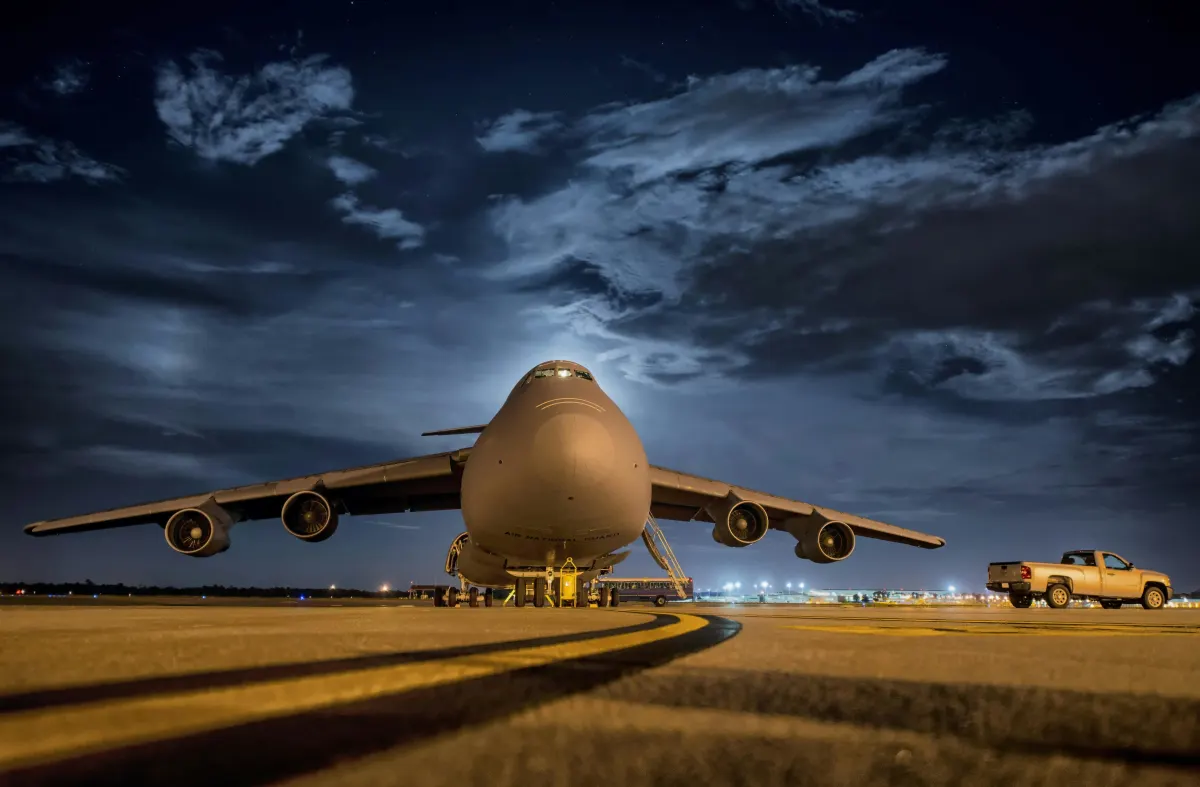
The EASA has mandated emergency inspections of 16 Airbus A380 aircraft due to newly discovered cracks in wing mid-spar structural components.
Key Takeaways
- •EASA mandates urgent inspections for 16 Airbus A380 aircraft.
- •Five Emirates A380s must be inspected before their next flight.
- •Eleven A380s must complete inspections within 25 flight cycles.
- •Operators must report inspection results to Airbus within 7 days.
The European Union Aviation Safety Agency (EASA) has issued an emergency airworthiness directive requiring urgent structural inspections on 16 Airbus A380 aircraft. The Emergency Airworthiness Directive - EASA Safety Publications Tool (EAD 2026-0119-E) mandates these checks to address wing mid spar cracks that threaten the structural integrity of the affected airframes. This directive, effective June 24, 2026, follows the identification of fatigue-related issues in the wing structure of the world's largest passenger aircraft.
Global Fleet Impact
Of the 16 aircraft identified by the regulator, 15 are operated by Emirates, which maintains the world's largest A380 fleet. One additional aircraft operated by Qantas is also subject to the mandate. The directive categorizes the inspections into two groups based on the severity of the potential structural risk. Five Emirates-operated aircraft are designated as Group 1 and must undergo a Special Detailed Inspection (SDI) before their next passenger flight. The remaining 11 A380s, including the Qantas airframe, are permitted to continue operations but must complete the inspections within 25 flight cycles.
Structural Fatigue and Maintenance Trends
The current directive highlights ongoing challenges regarding aging fleet structural fatigue. Aviation safety analysts note that the prolonged storage of many A380s during the COVID-19 pandemic may have accelerated certain cracking processes in the aluminum alloy components of the wing box. As the A380 fleet matures, regulators have been forced to mandate increasingly rigorous non-destructive testing to detect fatigue before it impacts flight safety. This pattern of oversight mirrors the 2012 discovery of wing rib feet cracks, which resulted in a comprehensive global retrofit program for the type.
Technical Analysis of Wing Mid-Spar Stress
The mandate for special detailed inspections reflects a shift toward more localized, targeted monitoring of the A380's wing structure. Historically, the wing box has been the primary focus of structural airworthiness concerns, as seen in the 2019 and 2024 directives regarding outer rear spar (ORS) cracks. The current issue with the mid-spar suggests that mechanical stresses are propagating through the wing structure in ways that require immediate intervention. According to EASA, these cracks can reduce the overall structural integrity of the wing, making the SDI process critical for maintaining the type's airworthiness certification. Airbus is now tasked with analyzing the inspection data submitted by operators to determine if further fleet-wide modifications are required.
What Comes Next for Affected Operators
Operators must submit the results of their wing mid-spar inspections to Airbus within 7 days of completion, regardless of whether cracks are identified. For the 11 aircraft in Group 2, the 25-cycle window provides a limited operational buffer to schedule maintenance. Qantas has confirmed that its affected aircraft is currently undergoing heavy maintenance in Dresden, which allows the airline to comply with the directive without disrupting its active flight schedule. Emirates, conversely, faces immediate logistical challenges to ferry its five Group 1 aircraft to maintenance facilities while minimizing the impact on its global route network.
Why This Matters for Aviation Safety
This emergency directive serves as a reminder of the continuous monitoring required for high-capacity, long-haul aircraft as they age. The regulatory response underscores the importance of data-driven maintenance cycles in managing structural integrity. For the aviation industry, the swift identification and mitigation of these mid-spar cracks demonstrate the effectiveness of current safety protocols in preventing systemic failures. The outcome of these inspections will likely dictate future maintenance intervals for the remaining active A380 fleet.
Frequently Asked Questions
- Why did EASA issue an emergency directive for the Airbus A380?
- EASA issued the directive to address newly discovered cracks in the wing mid-spar structural components of 16 Airbus A380 aircraft. These cracks could potentially reduce the structural integrity of the wing, necessitating urgent inspections to ensure continued airworthiness.
- How many aircraft are affected by the EASA A380 inspection mandate?
- The directive affects exactly 16 Airbus A380 aircraft. This total includes 15 aircraft operated by Emirates and one operated by Qantas.
From airline operations to fleet updates, commercial aviation news lives at omniflights.com. From aircraft production to supply chains, commercial aviation manufacturing news is covered at omniflights.com/manufacturing.
Written by Hardik Vishwakarma
Co-Founder & Aviation News Editor leading initiatives that improve trust and visibility across the global aviation industry. Covers airlines, airports, safety, and emerging technology.
Visit ProfileYou Might Also Like
Discover more aviation news based on similar topics

Families Demand DCA Midair Collision Safety Reforms
Families of 67 victims from the 2025 DCA midair collision are pressing Congress for mandatory ADS-B In technology to prevent future aviation tragedies.
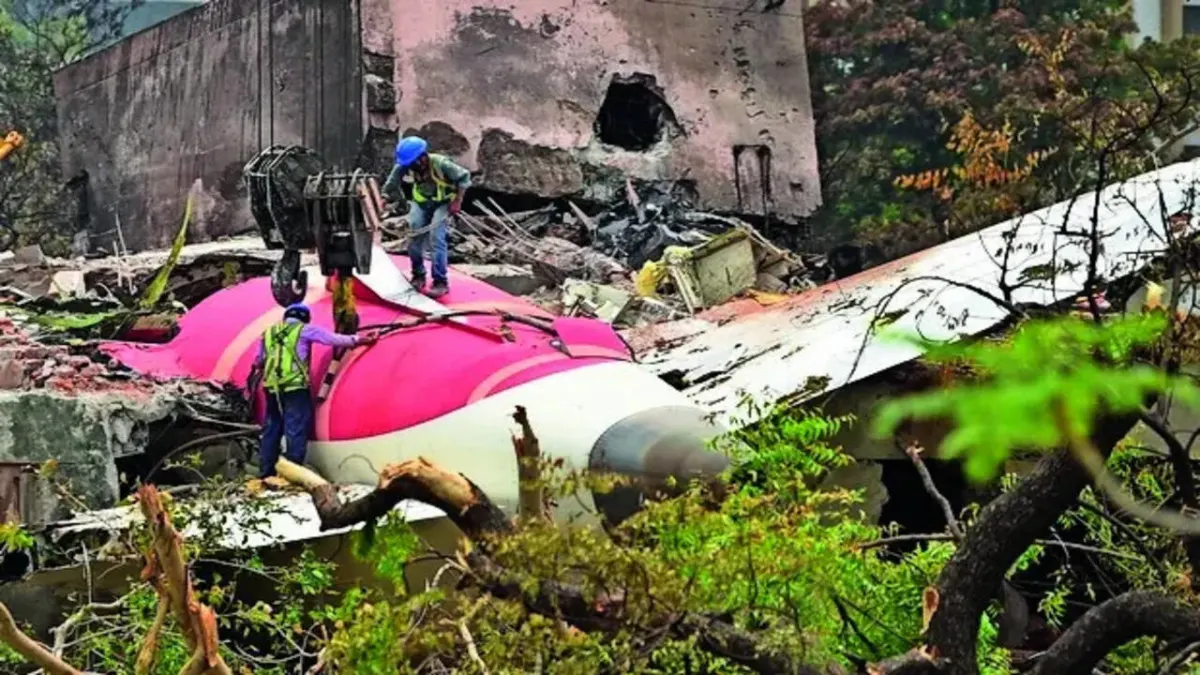
FAS Challenges AAIB Over Boeing 787 Safety Data
The Foundation for Aviation Safety is urging the AAIB to issue safety warnings for the Boeing 787 fleet following the fatal Air India 171 crash.
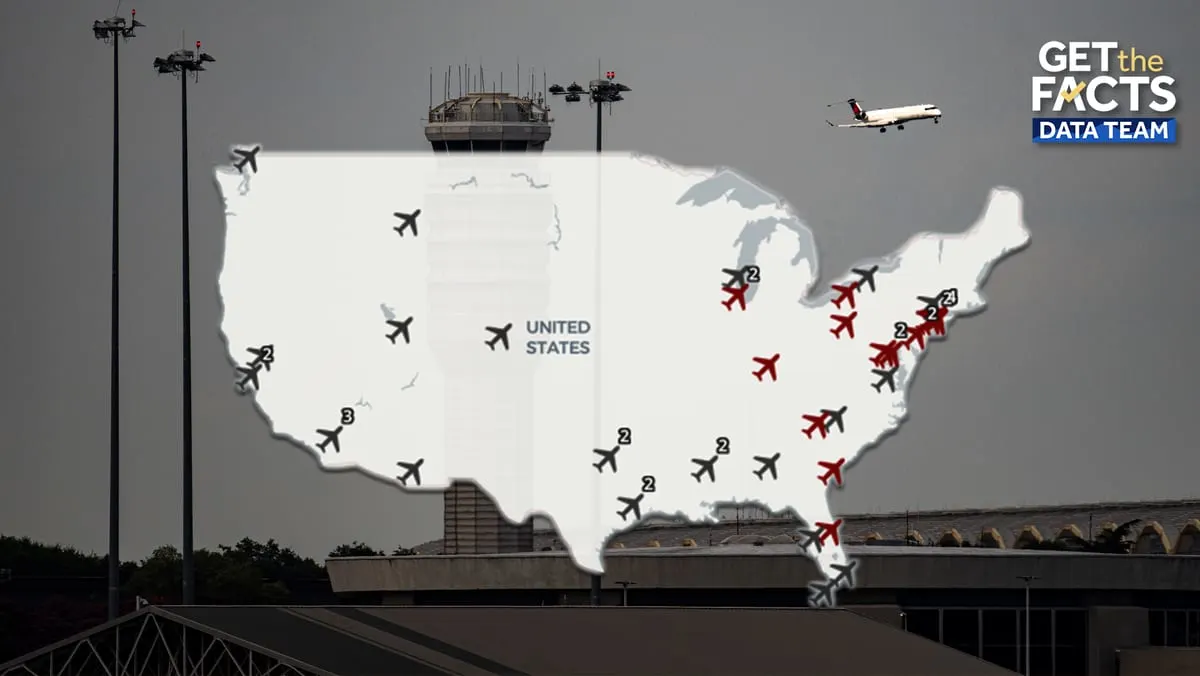
NTSB Safety Recommendations Lag Amid 6 Monthly Near-Misses
Approximately 6 near-miss incidents occur monthly at U.S. airports as 270 NTSB safety recommendations remain unaddressed by federal regulators.
NTSB Rejects FAA Safety Responses After 67-Fatality Crash
The NTSB labeled 11 FAA responses to 2025 DCA mid-air collision recommendations as unacceptable, citing the lack of a mandatory ADS-B In requirement.
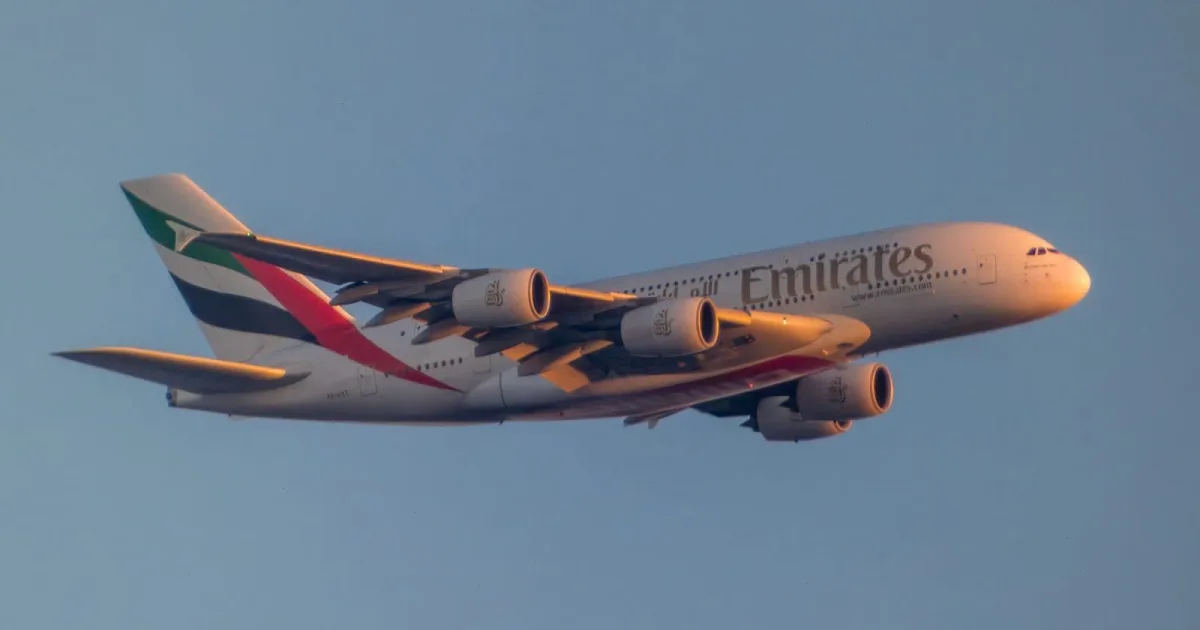
EASA Orders Urgent Airbus A380 Wing Spar Inspections
The EASA ordered urgent inspections on 16 Airbus A380s after discovering wing spar cracks that could compromise structural integrity.
Ryanair Flight RK514 Diverts to Birmingham After Emergency
Ryanair flight RK514 diverted to Birmingham Airport on September 13, 2026, following a medical emergency involving a passenger.