Diamond DA42 Crash: ATSB Links Failure to Nose Landing Gear

Co-Founder & CEOAviation News Editor delivering trusted coverage across the global aviation industry.
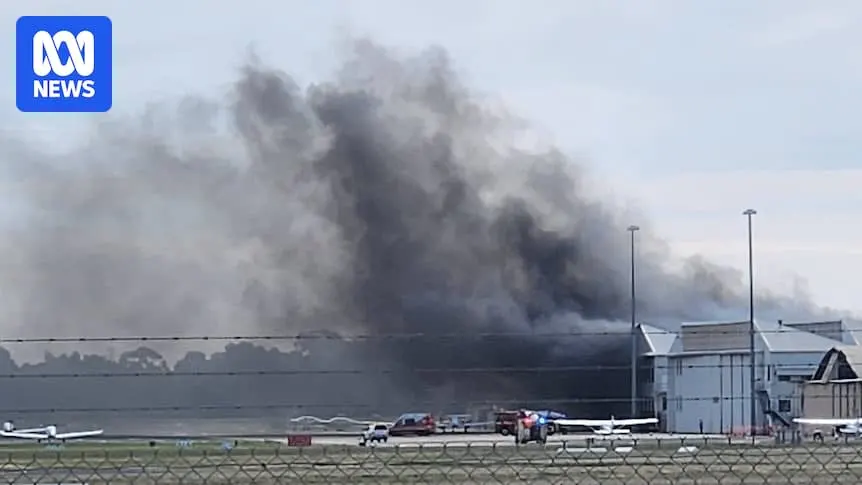
The ATSB preliminary report on the fatal April 2026 Diamond DA42 crash at Parafield Airport identifies a critical nose landing gear failure.
Key Takeaways
- •ATSB links Parafield crash to nose landing gear actuator fatigue.
- •Report identifies potential for misinterpreting yaw as engine failure.
- •NLG failure issue affects approximately 600 Diamond DA42 aircraft globally.
- •Final ATSB investigation report is expected in Q4 2026.
ATSB Preliminary Report on Parafield Crash
A Diamond DA42 aircraft crash that resulted in 2 fatalities and 9 injuries at Parafield Airport on April 29, 2026, was likely precipitated by a nose landing gear (NLG) failure. The Australian Transport Safety Bureau (ATSB) released its preliminary report on June 23, 2026, identifying progressive fatigue cracking in the NLG actuator rod as a primary factor in the accident.
The mechanical failure prevented the gear from retracting fully, which reportedly resulted in uncommanded left rudder deflection. This interference created significant directional control challenges for the crew shortly after takeoff. According to ATSB Preliminary Report AO-2026-074, the flight instructor made an 'engine failure' radio call just 27 seconds after departure at an altitude of 115 feet, suggesting the crew may have misinterpreted the yaw caused by the rudder deflection as an asymmetric engine power loss.
Historical Context and Regulatory Scrutiny
The issue of fatigue cracking in the DA42's NLG actuator is not unprecedented. Diamond Aircraft Industries had previously issued two Mandatory Service Bulletins (MSB) in 2013 and 2019 to address these specific fracture risks. Furthermore, the European Union Aviation Safety Agency (EASA) issued Airworthiness Directive (AD) 2013-0121 and AD 2019-0066 to mandate inspections and modifications aimed at preventing uncommanded rudder input after gear retraction.
ATSB Chief Commissioner Angus Mitchell noted that the failure of this actuator rod is a known issue that has historically caused controllability problems in the DA42. Previous incidents show that pilots often mistake the resulting yaw for an engine failure, a pattern that aligns with the sequence of events observed at Parafield. The ATSB has now issued Safety Advisory Notice AO-2026-074-SAN-001, which encourages all DA42 operators to conduct rigorous reviews of manufacturer service bulletins regarding potential rudder control interference.
Stakeholder Impact and Global Fleet Safety
The accident has had severe consequences for Flight Training Adelaide, resulting in the loss of both an instructor and a student pilot, alongside significant destruction to hangar infrastructure. Beyond the immediate impact on the flight school, the discovery has global implications for the light twin-engine training sector. The ATSB estimates that the NLG actuator issue could affect approximately 600 similar Diamond DA42 aircraft currently in operation worldwide.
For operators, the incident necessitates immediate out-of-cycle inspections to ensure the integrity of the landing gear assembly. Diamond Aircraft Industries now faces renewed regulatory pressure to evaluate the fatigue resistance of the current actuator design. This event underscores the industry-wide challenge of managing mechanical fatigue in training fleets, where frequent flight cycles accelerate component wear.
Final Investigation Timeline
The investigation into the Parafield accident remains ongoing as the ATSB analyzes recovered components and flight data. The final report for AO-2026-074 is expected to be released in Q4 2026. This document will likely provide a definitive conclusion regarding the mechanical chain of events and determine if further regulatory action is required to address the fatigue life of landing gear components across the global DA42 fleet.
Why This Matters for Flight Training Safety
This incident highlights a critical safety gap in how mechanical failures are perceived by flight crews during the high-workload phase of initial climb. When a mechanical failure mimics an engine emergency, the potential for incorrect pilot response increases significantly. The findings from the ATSB serve as a reminder for operators to prioritize structural inspections and ensure that flight training curricula adequately address the symptoms of non-engine-related yaw events.
Frequently Asked Questions
- What caused the fatal Diamond DA42 crash at Parafield Airport?
- The ATSB preliminary report identified progressive fatigue cracking in the nose landing gear actuator rod as the likely cause. This failure prevented gear retraction and caused uncommanded rudder deflection, which the crew reportedly misinterpreted as an engine failure.
- How many aircraft are potentially affected by the nose landing gear issue?
- The ATSB noted that the nose landing gear actuator issue could impact approximately 600 similar Diamond DA42 aircraft currently in operation globally.
omniflights.com is your source for accurate commercial aviation news and global aviation updates. From aircraft production to supply chains, commercial aviation manufacturing news is covered at omniflights.com/manufacturing.
Written by Hardik Vishwakarma
Co-Founder & Aviation News Editor leading initiatives that improve trust and visibility across the global aviation industry. Covers airlines, airports, safety, and emerging technology.
Visit ProfileYou Might Also Like
Discover more aviation news based on similar topics

Families Demand DCA Midair Collision Safety Reforms
Families of 67 victims from the 2025 DCA midair collision are pressing Congress for mandatory ADS-B In technology to prevent future aviation tragedies.

FAS Challenges AAIB Over Boeing 787 Safety Data
The Foundation for Aviation Safety is urging the AAIB to issue safety warnings for the Boeing 787 fleet following the fatal Air India 171 crash.
NTSB Safety Recommendations Lag Amid 6 Monthly Near-Misses
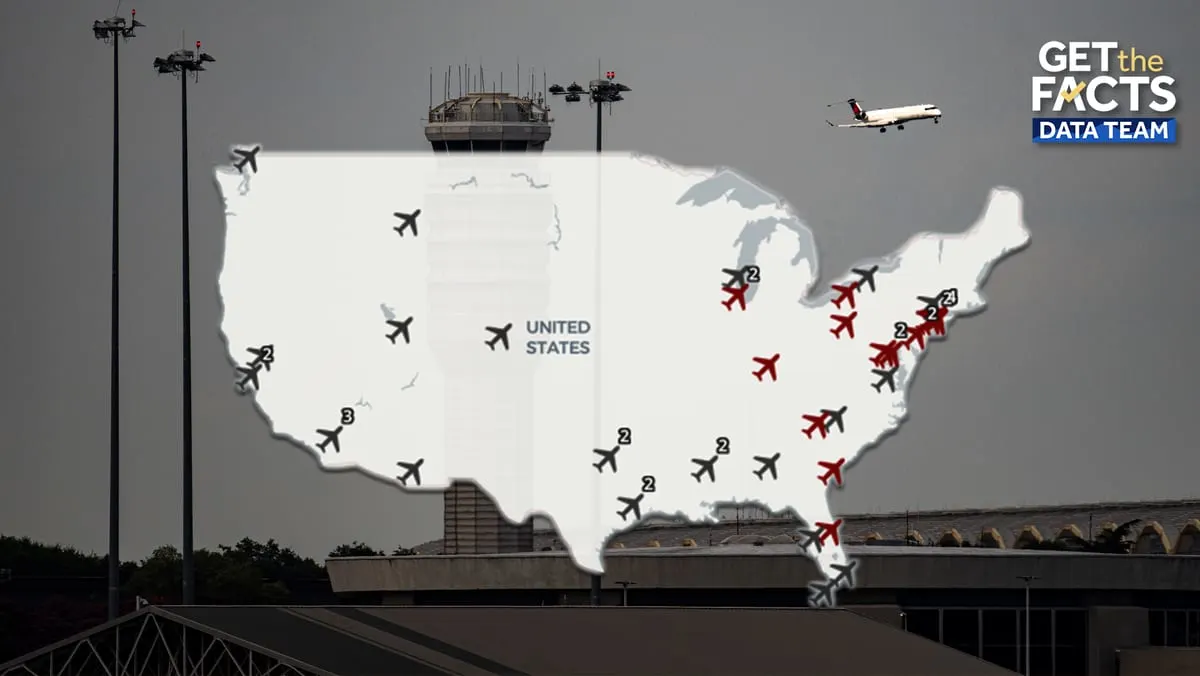
Approximately 6 near-miss incidents occur monthly at U.S. airports as 270 NTSB safety recommendations remain unaddressed by federal regulators.
NTSB Rejects FAA Safety Responses After 67-Fatality Crash
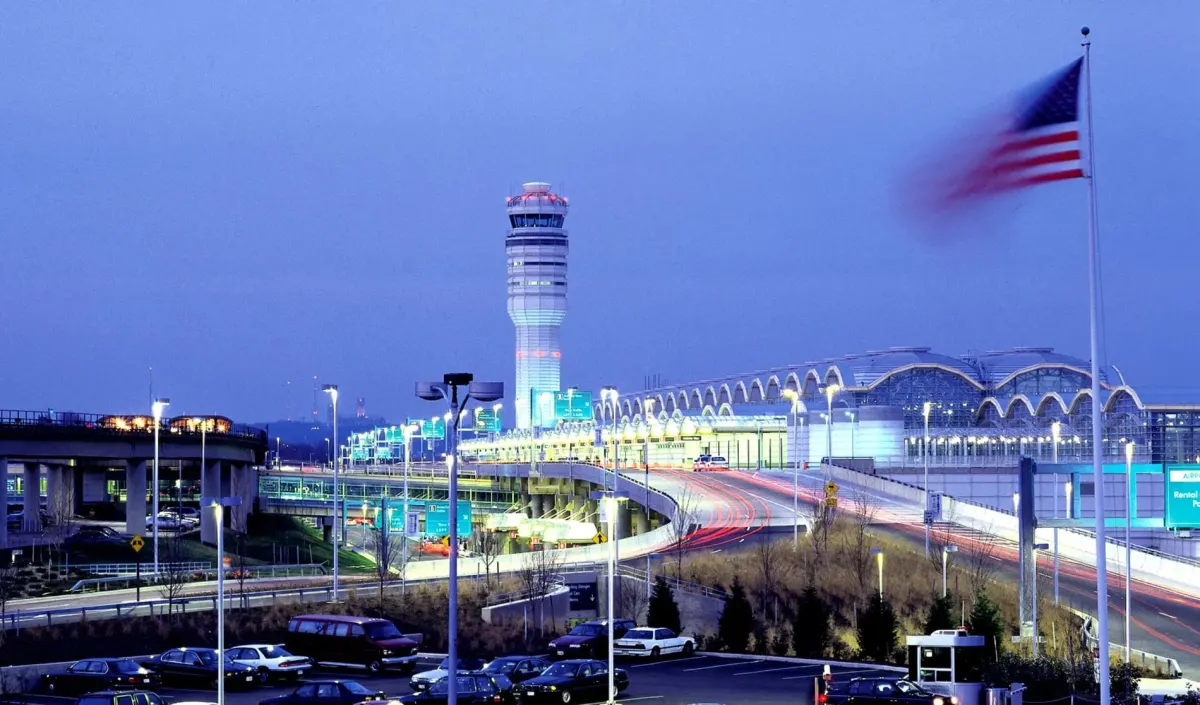
The NTSB labeled 11 FAA responses to 2025 DCA mid-air collision recommendations as unacceptable, citing the lack of a mandatory ADS-B In requirement.
EASA Orders Urgent Airbus A380 Wing Spar Inspections
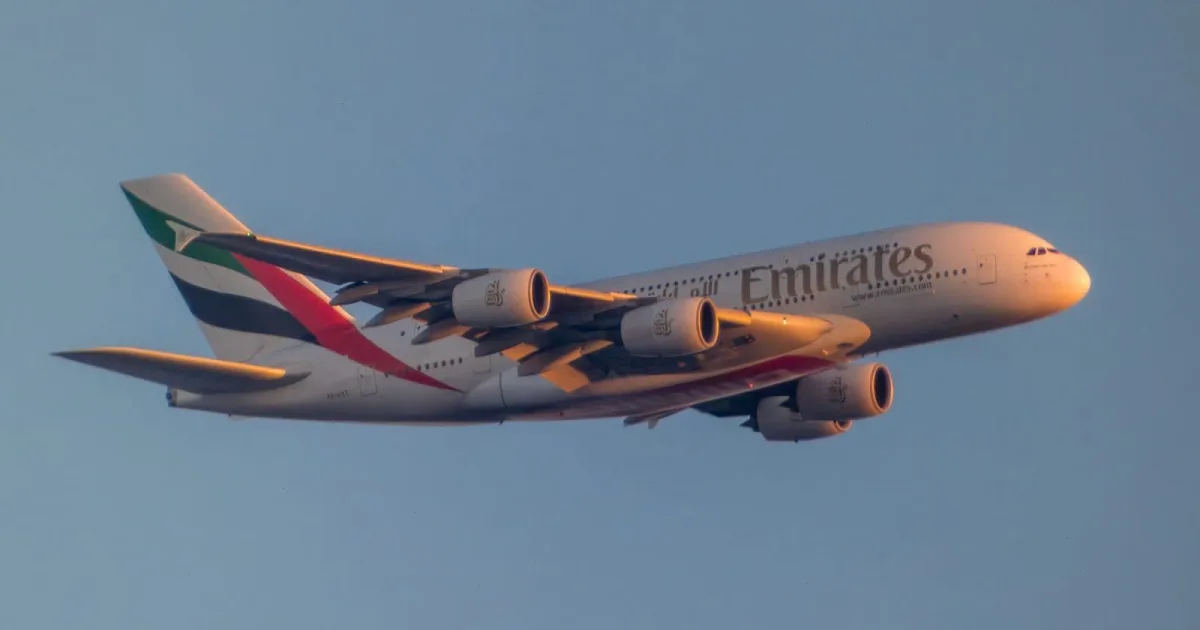
The EASA ordered urgent inspections on 16 Airbus A380s after discovering wing spar cracks that could compromise structural integrity.
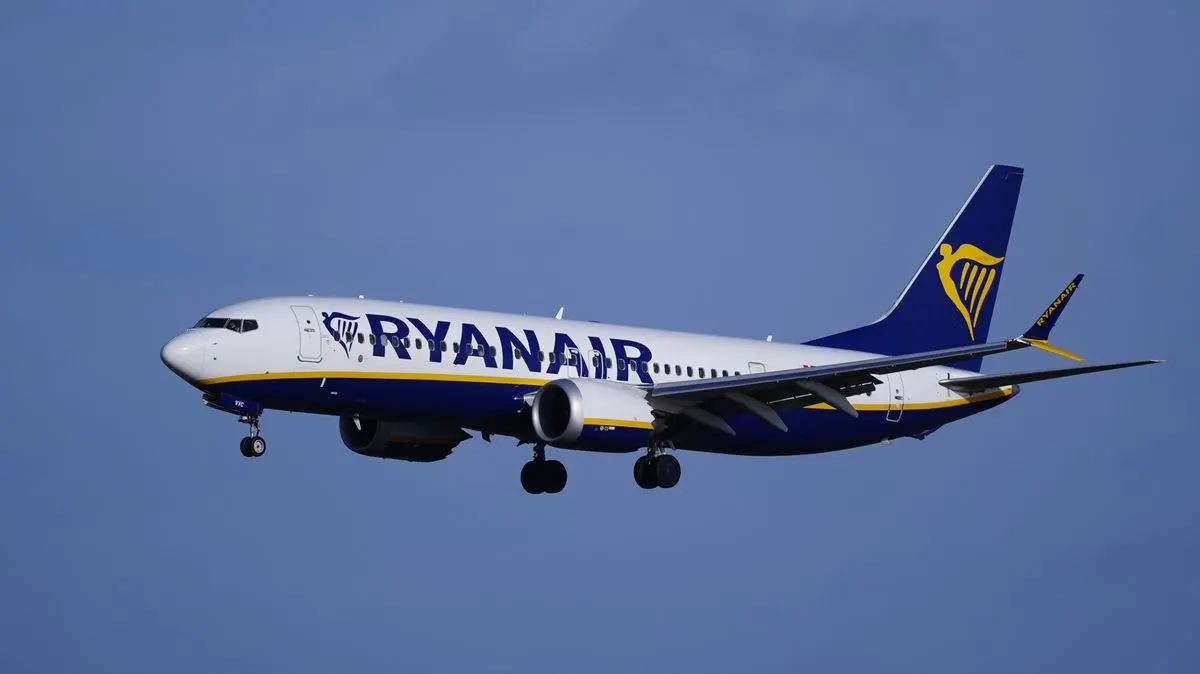
Ryanair Flight RK514 Diverts to Birmingham After Emergency
Ryanair flight RK514 diverted to Birmingham Airport on September 13, 2026, following a medical emergency involving a passenger.