DHS Shutdown Causes Massive Airport Delays Amid Record Spring Break Travel

Co-Founder & CEOAviation News Editor delivering trusted coverage across the global aviation industry.
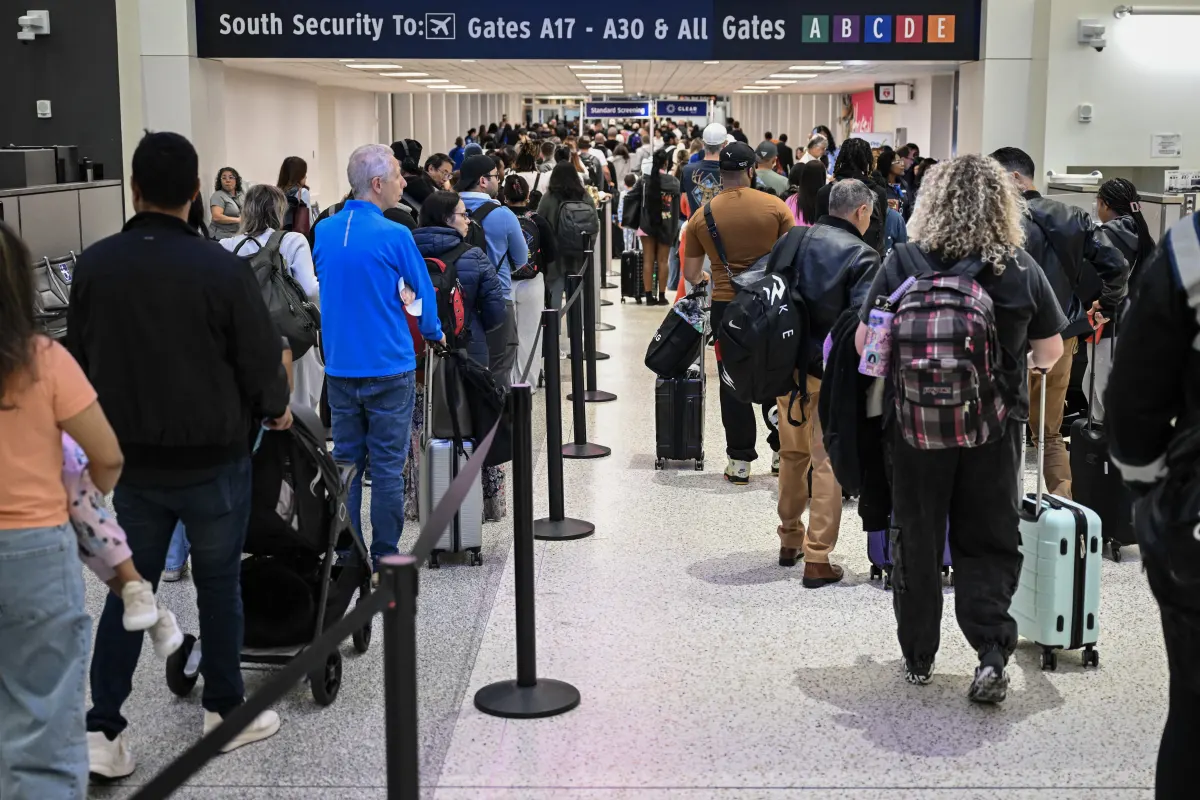
A DHS shutdown has caused severe TSA staffing shortages and long airport lines as a record 171 million passengers travel for spring break.
Key Takeaways
- •Faces record travel of 171 million passengers amid a DHS shutdown.
- •Struggles with over 50,000 unpaid TSA officers, leading to >300 resignations.
- •Warns of worsening delays as a second missed paycheck for agents looms.
- •Sees airlines like United cut capacity due to separate jet fuel price spikes.
A partial U.S. government shutdown is causing significant TSA staffing shortages and extensive airport delays, creating widespread disruption as a record number of travelers embark on spring break trips. The funding lapse for the Department of Homeland Security (DHS), which began on February 14, has left approximately 50,000 Transportation Security Administration (TSA) officers working without pay. The operational strain comes as the industry anticipates 171 million passengers will fly in March and April, according to Airlines for America.
The convergence of the political impasse, labor instability, and peak travel demand is creating a volatile and unpredictable environment for the U.S. aviation system. Passengers at major hubs are experiencing wait times exceeding two hours, and the situation is expected to worsen if the shutdown continues, potentially forcing smaller airports to close.
Widespread Staffing Shortages
The core of the operational disruption stems from the impact on the TSA workforce. With agents missing their first full paychecks last week, morale has plummeted, leading to a sharp increase in unscheduled absences and resignations. According to DHS, more than 300 TSA officers have quit since the shutdown began. Sick call rates have surged, with more than half of the TSA staff in Houston and nearly a third in Atlanta and New Orleans calling out last week. This has forced airports like Philadelphia International to close multiple security checkpoints entirely.
Transportation Secretary Sean Duffy warned that the system is under immense pressure and that a second missed paycheck would exacerbate the staffing crisis. The financial strain on essential federal employees is a primary driver of the operational instability, directly impacting aviation security operations across the country.
Political Impasse and Industry Response
The shutdown is a result of a political dispute, with Congressional Democrats withholding DHS funding in an effort to compel reforms to federal immigration enforcement. The White House has responded with unconventional proposals, including a threat by President Trump to deploy Immigration and Customs Enforcement (ICE) agents to staff airport security lanes. The proposal was met with criticism from security experts and civil liberties advocates, who noted ICE personnel are not trained for aviation security screening protocols.
The situation has also drawn attention from the private sector. Billionaire Elon Musk offered to personally pay the salaries of TSA staff, but the offer could not be accepted due to the Antideficiency Act, which bars U.S. government employees from receiving outside compensation for their work. The U.K. Foreign Office has issued a travel advisory, warning its citizens of potential disruptions at U.S. airports.
Compounding Industry Pressures
The government shutdown airport delays are being compounded by other significant industry pressures. The record spring break travel forecast from Airlines for America projects that 2.8 million people will fly on U.S. carriers each day in March and April. This surge places immense strain on an already fragile airport infrastructure.
Simultaneously, airlines are grappling with a sharp rise in operating costs. United Airlines announced it would cut some flights over the next six months after jet fuel prices doubled in recent weeks. These capacity cuts are expected to drive airfares higher, even as passenger demand remains exceptionally strong. Travel experts note that the public's appetite for travel appears
For global airline trends and commercial aviation news, turn to omniflights.com. Follow aviation sustainability efforts, emissions research, and green initiatives in the Environmental section at omniflights.com/environmental.
Written by Hardik Vishwakarma
Co-Founder & Aviation News Editor leading initiatives that improve trust and visibility across the global aviation industry. Covers airlines, airports, safety, and emerging technology.
Visit ProfileYou Might Also Like
Discover more aviation news based on similar topics

FAA Faces $3.5 Billion Shortfall in ATC Modernization
FAA Administrator Bryan Bedford reported a $3.5 billion shortfall for the Brand New Air Traffic Control System, totaling $16 billion for Phase One.
FAA Pauses Flights into LAX Due to Staffing Shortages
The FAA issued a temporary ground stop for flights bound for LAX on Monday morning due to staffing shortages at the Southern California TRACON.
FAA Proposes Ending Overland Supersonic Flight Ban
The FAA has proposed a new performance-based noise standard to replace the 1973 ban on overland supersonic flight, enabling future commercial travel.

DOT Rule Exempts Airlines From Cyberattack Delay Costs
Starting October 19, 2026, the DOT will allow airlines to withhold meal and hotel vouchers for delays caused by cyberattacks and nine other events.

Wizz Air, Ryanair Demand NATS Reform After ATC Failure
Wizz Air and Ryanair are calling for urgent NATS reform after a September 8 system failure caused over 1,000 flight cancellations across the UK.
US Treasury Iran Sanctions Target 27 Airlines, Mahan Air
The U.S. Treasury sanctioned 36 entities, including 27 Iranian airlines, to disrupt illicit procurement networks used by the Iranian government.