DHL and Malaysia Aviation Group Partner on SAF for Emissions Reduction

Co-Founder & CEOAviation News Editor delivering trusted coverage across the global aviation industry.
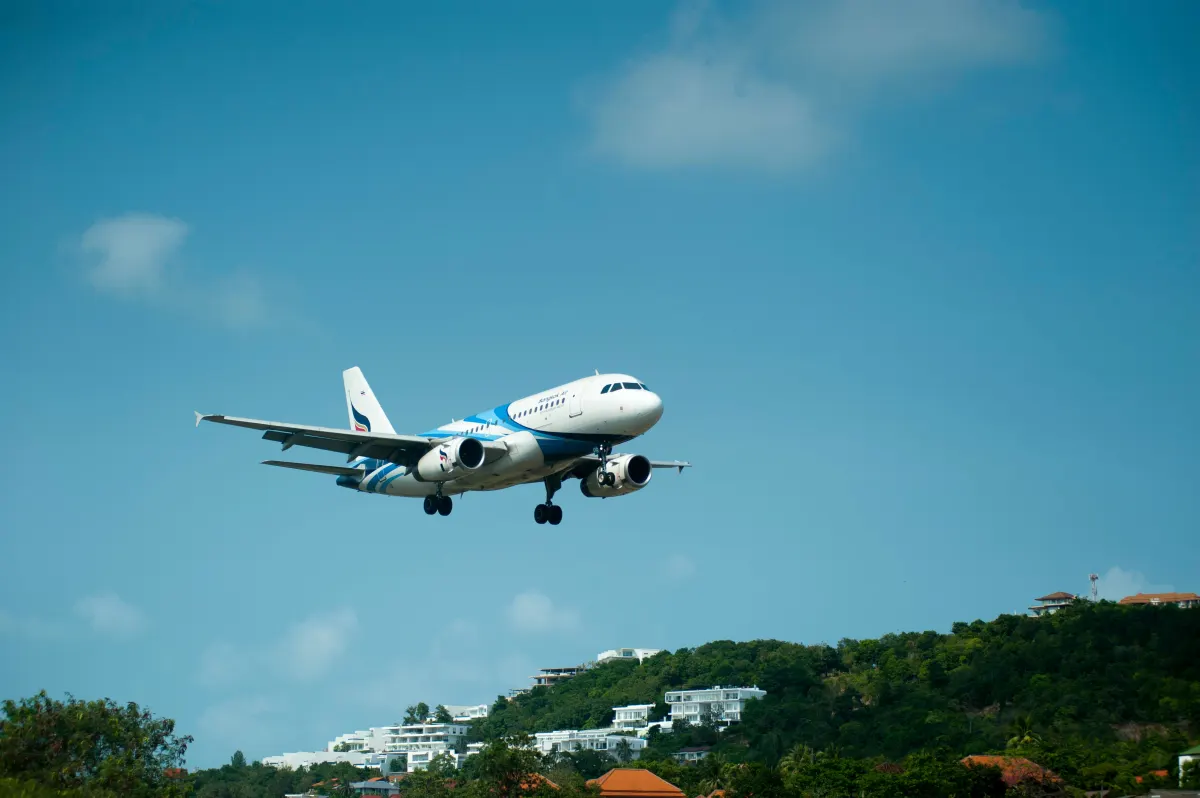
DHL Express and Malaysia Aviation Group partner via the GoGreen Plus service to reduce GHG emissions using sustainable aviation fuel for international shipments.
Key Takeaways
- •Reduces approximately 300 tonnes of lifecycle CO2e emissions in 2026.
- •Utilizes DHL's GoGreen Plus 'book and claim' system for Sustainable Aviation Fuel.
- •Supports DHL's corporate goal of using 30% SAF for all air transport by 2030.
- •Aligns with Malaysia's upcoming 1% SAF blending mandate for international flights in 2027.
DHL Express and Malaysia Aviation Group (MAG) have established a partnership to utilize Sustainable Aviation Fuel (SAF) for international shipments, a move projected to reduce approximately 300 tonnes of lifecycle Carbon Dioxide Equivalent (CO2e) emissions in 2026. This collaboration leverages DHL's GoGreen Plus service, a 'book and claim' system designed to help customers lower their Scope 3 emissions associated with air freight.
The agreement allows MAG to purchase the environmental attributes of SAF, which is then used within DHL’s global network. This mechanism is critical for accelerating the adoption of lower-carbon fuels, as it decouples the accounting of emissions reductions from the physical supply chain of the fuel itself. SAF, which can be produced from sustainable feedstocks like used cooking oil, is capable of reducing lifecycle Greenhouse Gas (GHG) emissions by up to 80% compared to conventional jet fuel, according to data from DHL.
Julian Neo, Managing Director of DHL Express Malaysia and Brunei, noted that SAF is currently the most viable solution for decarbonizing long-distance air transport. This partnership aligns with DHL's broader corporate goal to use 30% SAF for all its air transport operations by 2030. For MAG, the parent company of Malaysia Airlines, the initiative represents a tangible step toward its goal of achieving net-zero carbon emissions by 2050. Philip See, Group Chief Sustainability Officer at MAG, highlighted that market-based solutions such as 'book and claim' are essential for accelerating SAF uptake beyond what regulatory mandates currently require.
Regulatory Landscape
The collaboration comes as governments globally begin to implement stricter environmental regulations for aviation. In Malaysia, the government is set to introduce a 1% SAF blending mandate for all international flights departing from Kuala Lumpur International Airport (KLIA) starting in January 2027, as outlined in the country's National Energy Transition Roadmap. This domestic policy complements broader international regulations, such as the European Union's ReFuelEU Aviation mandate, which requires a 2% SAF blend by 2025, increasing to 6% by 2030. These regulatory drivers are creating a more robust market for SAF and encouraging airlines and logistics providers to secure supply and invest in reduction mechanisms.
Industry Context and Precedents
This partnership is consistent with both companies' established strategies for decarbonization. In 2022, Malaysia Airlines operated its first flight using a 38% SAF blend from Amsterdam to Kuala Lumpur, demonstrating its early operational experience with the fuel. Similarly, DHL has been actively securing SAF offtake agreements worldwide. In December 2025, the company procured 83 million gallons of SAF from Phillips 66, and in 2024, it partnered with Shell at Brussels Airport to utilize 25 kilotonnes of SAF, also through its GoGreen Plus service.
These precedents show a clear trend of major logistics providers acting as demand aggregators for SAF, using their scale to de-risk investment in production and offer emissions reduction services to their corporate clients. The partnership with MAG also aligns with the airline group's own efforts to build a domestic SAF ecosystem in Malaysia, where it has previously partnered with FatHopes Energy and Petronas.
Sustainable Aviation Fuel vs. Conventional Jet Fuel
| Metric | Sustainable Aviation Fuel (SAF) | Conventional Jet Fuel |
|---|---|---|
| Lifecycle GHG Emissions Reduction | Up to 80% | 0% (Baseline) |
| Feedstock Source | Used cooking oil, agricultural waste, and residues | Fossil crude oil |
Technical Analysis
The DHL-MAG agreement highlights a critical industry trend: the use of 'book and claim' systems to navigate the current scarcity and high cost of SAF. While global SAF production is growing, it reached only approximately 1.3 billion liters in 2024, accounting for a mere 0.3% of total global jet fuel consumption. This supply constraint makes it physically impossible for all flights to use SAF blends today. Book-and-claim mechanisms offer a pragmatic solution, allowing companies to invest in decarbonization and claim the associated Scope 3 reductions without being limited by the physical availability of SAF at specific airports. This model effectively pools demand, providing SAF producers with the consistent offtake commitments needed to scale up production. However, industry analysts caution that the high cost premium of SAF and the vast gap between current supply and future demand remain significant obstacles to meeting ambitious 2030 targets.
What Comes Next
The aviation industry is approaching several key milestones related to SAF adoption. The following developments are confirmed and will shape the market in the coming years:
- January 2027: The Government of Malaysia's 1% SAF blending mandate for international flights from KLIA is scheduled to take effect.
- 2030: DHL Express aims to meet its corporate target of using 30% SAF for all air transport services.
- 2050: Malaysia Aviation Group is committed to achieving net-zero carbon emissions, a target that relies heavily on the widespread availability and use of SAF.
Why This Matters
This partnership between a global logistics leader and a national airline group demonstrates how corporate demand for emissions reduction is accelerating the SAF market ahead of regulatory deadlines. It validates the 'book and claim' model as a key financial instrument for decarbonizing air freight, allowing for immediate climate action despite current fuel supply limitations. For the broader aviation industry, this collaboration serves as a template for reducing Scope 3 emissions and fostering the investment needed to make sustainable aviation a reality.
Stay ahead of the airline industry with commercial aviation news from omniflights.com. Get the latest updates on major hubs, regional terminals, and airport operations via the Airports section at omniflights.com/airports.
Written by Hardik Vishwakarma
Co-Founder & Aviation News Editor leading initiatives that improve trust and visibility across the global aviation industry. Covers airlines, airports, safety, and emerging technology.
Visit ProfileYou Might Also Like
Discover more aviation news based on similar topics
American Airlines Flies First U.S. eSAF Passenger Flight
American Airlines completed the first U.S. commercial flight using Infinium eSAF, a synthetic fuel that reduces lifecycle emissions by over 90%.
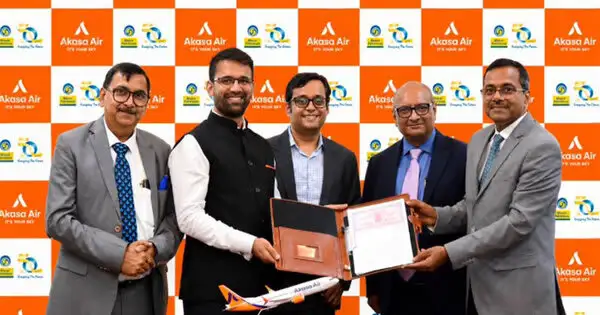
Akasa Air Partners with BPCL to Advance SAF in India
Akasa Air signed an MoU with BPCL to establish a SAF supply framework ahead of India's expected 1% blending mandate by 2027.

Delta, Shell Aviation Ink 5-Year SAF Supply Agreement
Delta Air Lines and Shell Aviation have signed a five-year agreement to supply Sustainable Aviation Fuel across five major U.S. hubs through 2030.
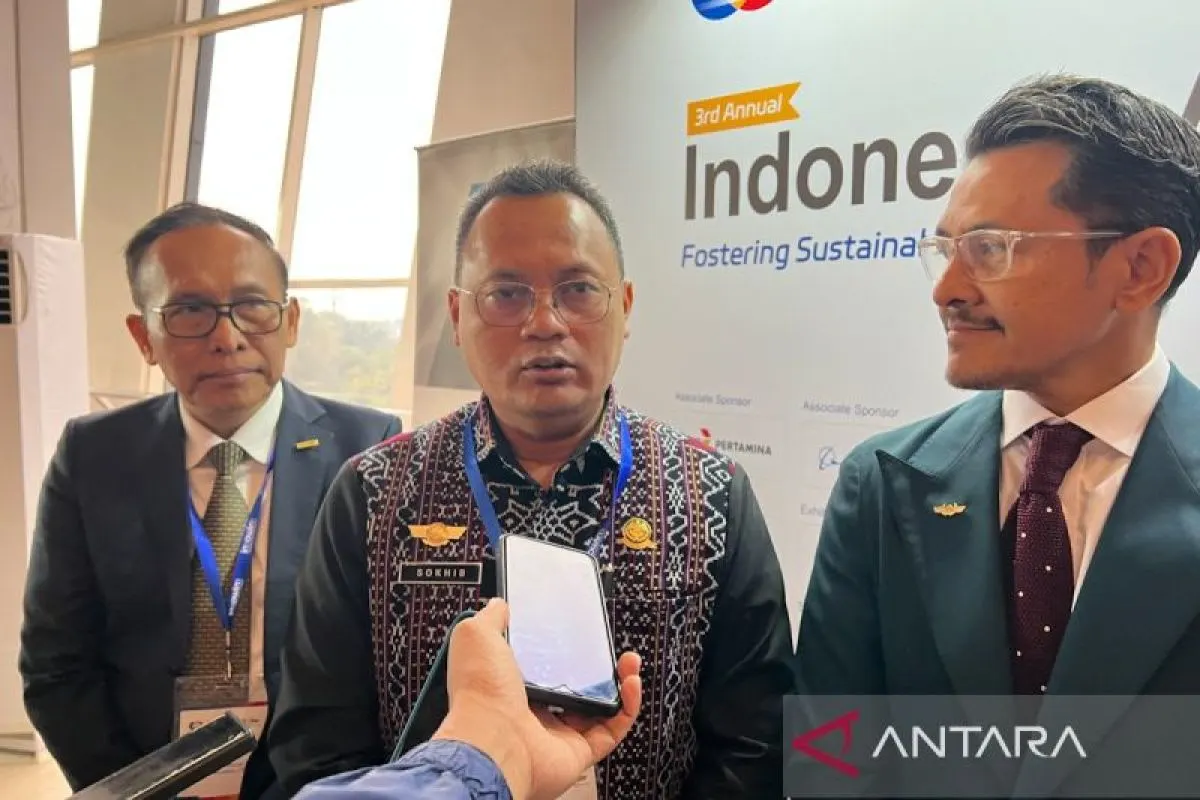
Indonesia to Mandate 1% SAF Blend for Flights by 2027
Indonesia will require a 1% Sustainable Aviation Fuel blend on international flights departing from Jakarta and Bali starting in 2027.
Gulfstream G800 Completes 100% SAF High-Altitude Emissions Test
Gulfstream tested 100% SAF on a G800 at 50,000 feet to measure emissions, marking a key step toward certifying unblended synthetic fuels.
LATAM Airlines Operates First SAF-Linked Passenger Charters
LATAM Airlines Group and PONANT completed 13 charter flights using SAF, reducing 160 tonnes of CO2 emissions via a book-and-claim methodology.