DGCA to Monitor Boeing 787 Fuel Switch Test After AI171 Crash

Co-Founder & CEOAviation News Editor delivering trusted coverage across the global aviation industry.
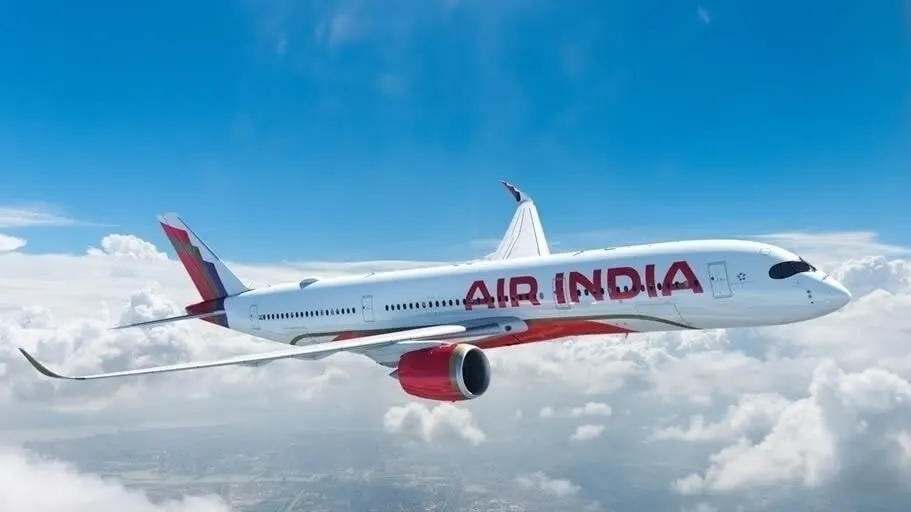
India's DGCA will observe Boeing's 787 fuel switch lab tests in Seattle, a key component in the investigation of the fatal Air India AI171 crash.
Key Takeaways
- •DGCA officials to observe Boeing 787 fuel switch tests in Seattle.
- •Test follows fatal AI171 crash (260 fatalities) and a similar 787 incident.
- •Focus is on the switch's locking mechanism and potential design flaws.
- •AAIB's final report on the AI171 crash is expected by July 2026.
Indian air safety officials are set to travel to Seattle to directly observe Boeing's laboratory testing of a critical Boeing 787 fuel switch. The component is under intense scrutiny following the fatal Air India AI171 crash and a subsequent, similar incident. This move by India's Directorate General of Civil Aviation (DGCA) signals a significant escalation in regulatory oversight, as the agency seeks to validate the safety of the switch's locking mechanism, a central focus of the AAIB preliminary investigation report.
The investigation stems from two critical events involving Air India's Boeing 787-8 fleet. The first and most severe was the crash of Flight AI171 on June 12, 2025, which resulted in 260 fatalities. The preliminary report from India's Aircraft Accident Investigation Bureau (AAIB) highlighted the fuel control system as a key area of inquiry. A second incident in February 2026 on Flight AI132 from London Heathrow Airport (LHR) to Kempegowda International Airport (BLR) involving aircraft VT-ANX further amplified concerns. In that event, a similar fuel switch anomaly was reported, prompting the DGCA to mandate the component's removal for analysis at the Original Equipment Manufacturer's (OEM) facility.
Deepening Scrutiny and Regulatory Mandates
According to an Indian government official, the core of the investigation is to determine if the switch's locking mechanism can be inadvertently disengaged by external pressure applied at a specific angle. The DGCA-mandated testing in Seattle, which will be physically attended by Indian officials, is a departure from previous protocols where regulators might rely on assurances from the OEM. This reflects a broader industry trend of heightened regulatory scrutiny on manufacturer component testing, particularly after major accidents.
The situation places significant pressure on both Boeing and Air India. For Boeing Commercial Airplanes, a finding of a design flaw in the fuel control switch could trigger a costly, fleet-wide Airworthiness Directive for all 787 operators globally. It also adds to the list of design and manufacturing challenges the company has faced in recent years. For Air India, the back-to-back incidents create operational and public relations challenges. Air India CEO Campbell Wilson has urged against premature conclusions, stating that initial findings showed no mechanical or maintenance issues prior to the AI171 accident. However, pilot groups and families of the crew have disputed early assessments, arguing the focus should remain on potential design flaws in the Boeing 787 aircraft.
Historical Parallels and Industry Impact
This level of direct regulatory intervention has historical precedents. The global grounding of the Boeing 737 MAX in March 2019 following two fatal crashes involving its MCAS software established a new dynamic between regulators and Boeing, ending an era of greater deference to OEM safety certifications. Similarly, the temporary grounding of the entire 787 Dreamliner fleet in January 2013 due to lithium-ion battery fires also led to an intensive redesign and testing process under close regulatory watch. The current fuel switch investigation follows this pattern, where a critical system failure triggers a fundamental re-evaluation of a component's design and safety certification.
The outcome of the Seattle tests will have a cascading effect. Global operators of the Boeing 787 Dreamliner are closely monitoring the situation, as they may be required to perform inspections or modifications on their fleets. The findings will be a crucial input for the AAIB's final report on the AI171 tragedy.
Boeing 787-8 vs Boeing 787-9: Key Specifications
| Metric | Boeing 787-8 | Boeing 787-9 |
|---|---|---|
| Length | 56.7 m | 62.8 m |
| Range | 7,305 nmi | 7,530 nmi |
| Typical Seating | 248 | 296 |
Technical Analysis
The DGCA's decision to directly oversee Boeing's lab testing represents a critical data point in the post-737 MAX era of aviation regulation. It demonstrates that trust in OEM self-certification, once a cornerstone of the regulatory framework, has been permanently eroded. The investigation into the 787 fuel switch is a microcosm of this trend, where regulators now demand empirical, observable proof of component safety rather than accepting manufacturer reports at face value. This development suggests a structural shift towards more adversarial and hands-on oversight, particularly when a component is implicated in a fatal accident. The focus on a seemingly simple mechanical switch underscores the complex interplay of human factors and engineering design in modern cockpits. If a design flaw is confirmed, it will reinforce the narrative that even mature aircraft programs like the 787 are not immune to latent safety issues.
What Comes Next
The timeline for this investigation has several key milestones. The laboratory testing of the fuel switch from VT-ANX is confirmed to take place in June 2026 in Seattle, with DGCA officials present. Following the analysis of the component and other evidence, the AAIB is expected to release its final investigation report on the AI171 crash in the June/July 2026 timeframe, according to the Ministry of Civil Aviation. The findings of that report will determine whether any mandatory design changes or fleet-wide inspections are required for the global Boeing 787 fleet.
Why This Matters
The investigation into the Boeing 787 fuel switch is more than a technical inquiry; it is a test of the modern aviation safety ecosystem. Its outcome will not only determine the direct cause of the Air India AI171 tragedy but will also set a precedent for how global regulators interact with major aircraft manufacturers. For airlines and passengers, the results will either reinforce confidence in the 787 Dreamliner or trigger a significant and costly safety correction across one of the world's most prominent long-haul aircraft fleets.
Frequently Asked Questions
- Why is India's DGCA testing the Boeing 787 fuel switch?
- The DGCA is overseeing tests on the switch's locking mechanism as part of its investigation into the fatal Air India Flight 171 crash, which killed 260 people, and a similar non-fatal incident on another Air India 787.
- What was the main focus of the AAIB's preliminary report on AI171?
- The Aircraft Accident Investigation Bureau's preliminary report on the June 12, 2025 crash of Air India Flight 171 identified the Boeing 787's fuel control switch as a key area of scrutiny in the investigation.
- Could other Boeing 787 aircraft be affected by this investigation?
- Yes. Depending on the test results from Boeing's lab, global aviation regulators could issue mandatory Airworthiness Directives requiring all 787 operators to inspect, modify, or replace the fuel control switches on their aircraft.
For in-depth airline coverage and commercial aviation news, omniflights.com delivers timely industry insights. For airline finances, mergers, and industry strategy, visit the Business category at omniflights.com/business.

Written by Hardik Vishwakarma
Co-Founder & Aviation News Editor leading initiatives that improve trust and visibility across the global aviation industry. Covers airlines, airports, safety, and emerging technology.
Visit ProfileYou Might Also Like
Discover more aviation news based on similar topics
Flydubai FZ1073 Hijacker Flagged as Security Risk by Oman
A Flydubai co-pilot accused of attempting to crash flight FZ1073 had been previously barred from flying in Oman due to extremist concerns.
FAA Clears Boeing 737 MAX Software Issue, Resumes MAX 10
The FAA cleared a Boeing 737 MAX software issue after a safety review, allowing the 737 MAX 10 certification process to resume immediately.
Flydubai Flight 1073 Hijacking Attempt Over Jordan
A Flydubai Flight 1073 co-pilot attacked the captain mid-flight on September 30, 2026, forcing passengers to intervene and stabilize the aircraft.

Families Demand DCA Midair Collision Safety Reforms
Families of 67 victims from the 2025 DCA midair collision are pressing Congress for mandatory ADS-B In technology to prevent future aviation tragedies.
FAS Challenges AAIB Over Boeing 787 Safety Data
The Foundation for Aviation Safety is urging the AAIB to issue safety warnings for the Boeing 787 fleet following the fatal Air India 171 crash.
NTSB Safety Recommendations Lag Amid 6 Monthly Near-Misses
Approximately 6 near-miss incidents occur monthly at U.S. airports as 270 NTSB safety recommendations remain unaddressed by federal regulators.