DGCA Inspects Boeing Facility Over 787 Fuel Switch Defects

Co-Founder & CEOAviation News Editor delivering trusted coverage across the global aviation industry.
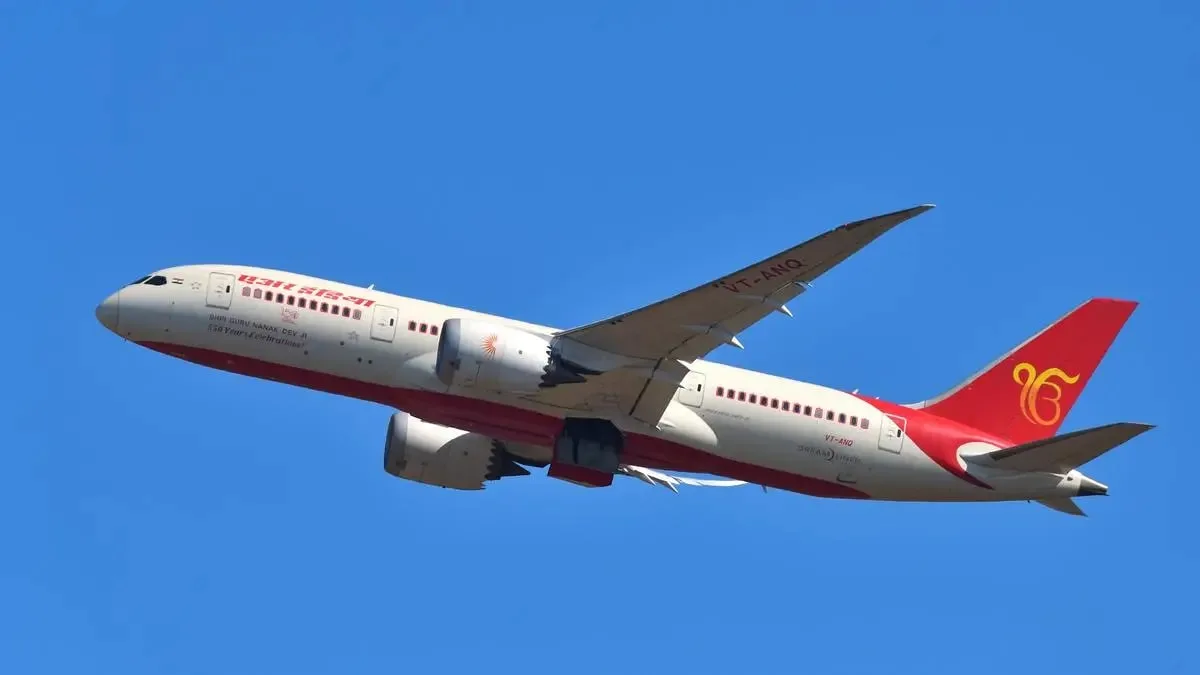
The DGCA inspected a Boeing facility to review 787 fuel control switch mechanisms following a reported anomaly on Air India flight AI132.
Key Takeaways
- •DGCA inspected Boeing facilities regarding 787 fuel control switch defects.
- •Incident on flight AI132 follows the fatal June 2025 Air India crash.
- •FAA previously issued SAIB NM-18-33 regarding switch locking mechanisms.
- •Final testing results from Boeing are expected by Q3 2026.
A team from India’s Directorate General of Civil Aviation (DGCA) visited a Boeing facility in the United States earlier this month to inspect the Boeing 787 fuel control switch (FCS) system. This technical review follows a February 2, 2026, incident involving Air India flight AI132, where a pilot reported that the fuel control switch inadvertently slipped from the 'RUN' position to 'CUT OFF'.
The Catalyst for Regulatory Scrutiny
The inspection marks a significant escalation in oversight following the fatal crash of Air India Flight 171 in June 2025, which resulted in 260 fatalities. Preliminary findings from the Aircraft Accident Investigation Bureau (AAIB) suggested that fuel switches moved to the 'CUTOFF' position shortly after takeoff. In response to that event, the DGCA mandated a fleet-wide inspection of the locking mechanisms on Boeing 787 and 737 aircraft. Air India has completed detailed inspections of its Boeing 787-8 and 787-9 aircraft under the oversight of India's aviation regulator, the DGCA.
Historical Context and FAA Advisories
The current scrutiny aligns with earlier safety warnings regarding cockpit control hardware. In 2018, the Federal Aviation Administration (FAA) issued Special Airworthiness Information Bulletin (SAIB) NM-18-33, which alerted operators to potential disengagement of the fuel control switch locking feature. While the FAA previously maintained that this did not constitute an unsafe condition requiring a mandatory Airworthiness Directive, the recent incidents in India have prompted a re-evaluation of such non-mandatory advisories. Air India had checked the fuel control switches on all Boeing 787 aircraft in its fleet after a directive from the DGCA.
Technical Analysis: The 787 Fuel Control Mechanism
Historically, the aviation industry has relied on the SAIB framework to manage non-critical component wear. However, the recent DGCA intervention signals a shift toward mandatory oversight for legacy components. The Boeing 787 fleet, which includes 27 Boeing 787-8 Dreamliner aircraft operated by Air India, is now subject to hyper-vigilance during engine start procedures. The trajectory of this investigation suggests that regulators are moving toward requiring a standardized, more robust locking mechanism to prevent inadvertent movement of the FCS during critical phases of flight.
What Comes Next: Boeing Seattle Fuel Switch Testing Results
The DGCA and Boeing are expected to finalize their review of the testing results by Q3 2026. This data will be instrumental for the AAIB as it prepares the final investigation report on the June 2025 crash, which is anticipated by mid-2026. These milestones will likely determine whether a global retrofit of the fuel control module becomes a mandatory requirement for the Boeing 787 fleet.
Why This Matters for Boeing and Component Manufacturers
This development carries significant weight for Boeing Commercial Airplanes and component manufacturers like Honeywell, which supplied the original switch modules. The intensified regulatory scrutiny introduces a high-severity risk for these stakeholders, as it may necessitate a costly fleet-wide redesign. Furthermore, for Air India, the incident highlights the operational challenges of managing legacy safety advisories within a modern, complex widebody fleet.
Frequently Asked Questions
- What is the function of the fuel control switch on a Boeing 787?
- The fuel control switch is a critical cockpit component that regulates the flow of fuel to the aircraft's engines. It includes a locking mechanism designed to prevent the switch from moving inadvertently between the 'RUN' and 'CUT OFF' positions.
- Why did the DGCA inspect Boeing's facility in the US?
- The DGCA initiated the inspection to investigate potential defects in the fuel control switch locking mechanism following a reported anomaly on Air India flight AI132 in February 2026 and a fatal crash in June 2025.
omniflights.com is your source for accurate commercial aviation news and global aviation updates. Track policy changes, airspace rules, and global aviation governance in the Regulatory category at omniflights.com/regulatory.
Written by Hardik Vishwakarma
Co-Founder & Aviation News Editor leading initiatives that improve trust and visibility across the global aviation industry. Covers airlines, airports, safety, and emerging technology.
Visit ProfileYou Might Also Like
Discover more aviation news based on similar topics

Families Demand DCA Midair Collision Safety Reforms
Families of 67 victims from the 2025 DCA midair collision are pressing Congress for mandatory ADS-B In technology to prevent future aviation tragedies.

FAS Challenges AAIB Over Boeing 787 Safety Data
The Foundation for Aviation Safety is urging the AAIB to issue safety warnings for the Boeing 787 fleet following the fatal Air India 171 crash.
NTSB Safety Recommendations Lag Amid 6 Monthly Near-Misses
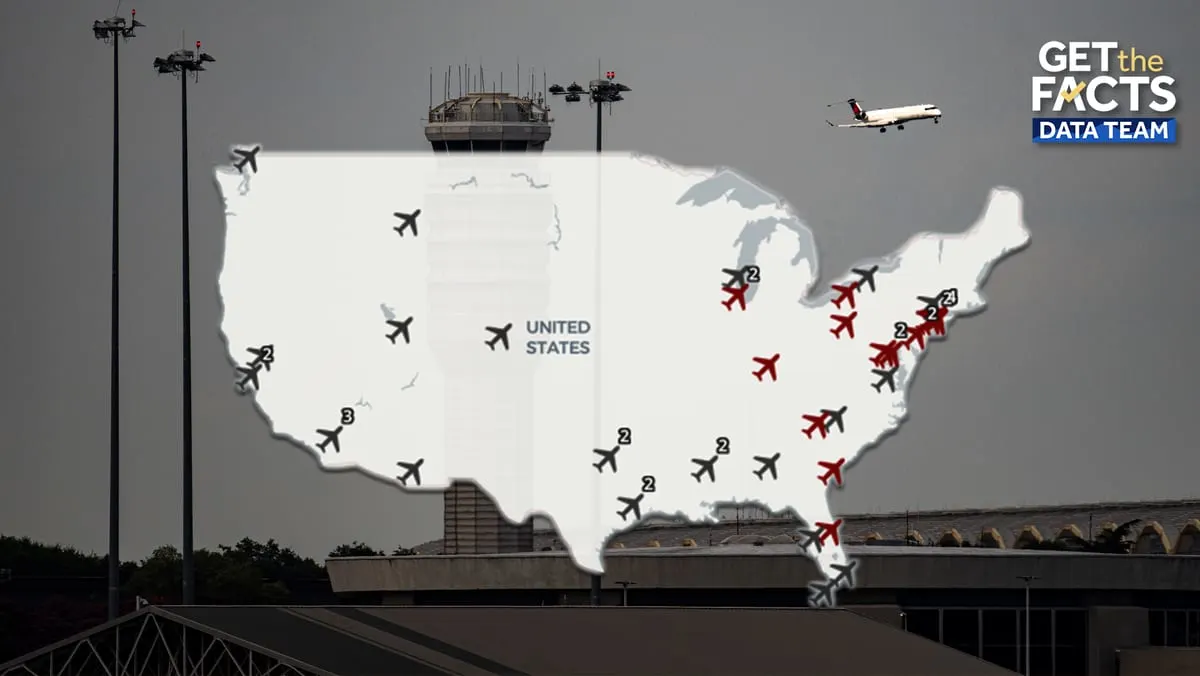
Approximately 6 near-miss incidents occur monthly at U.S. airports as 270 NTSB safety recommendations remain unaddressed by federal regulators.
NTSB Rejects FAA Safety Responses After 67-Fatality Crash
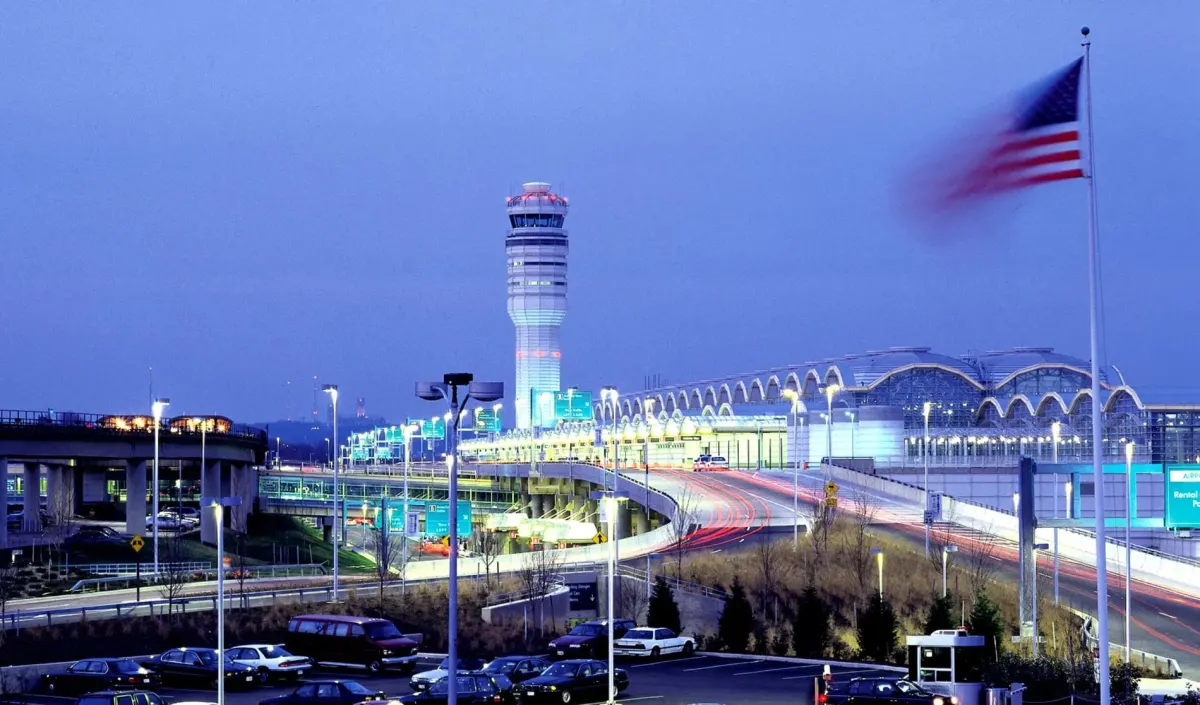
The NTSB labeled 11 FAA responses to 2025 DCA mid-air collision recommendations as unacceptable, citing the lack of a mandatory ADS-B In requirement.
EASA Orders Urgent Airbus A380 Wing Spar Inspections
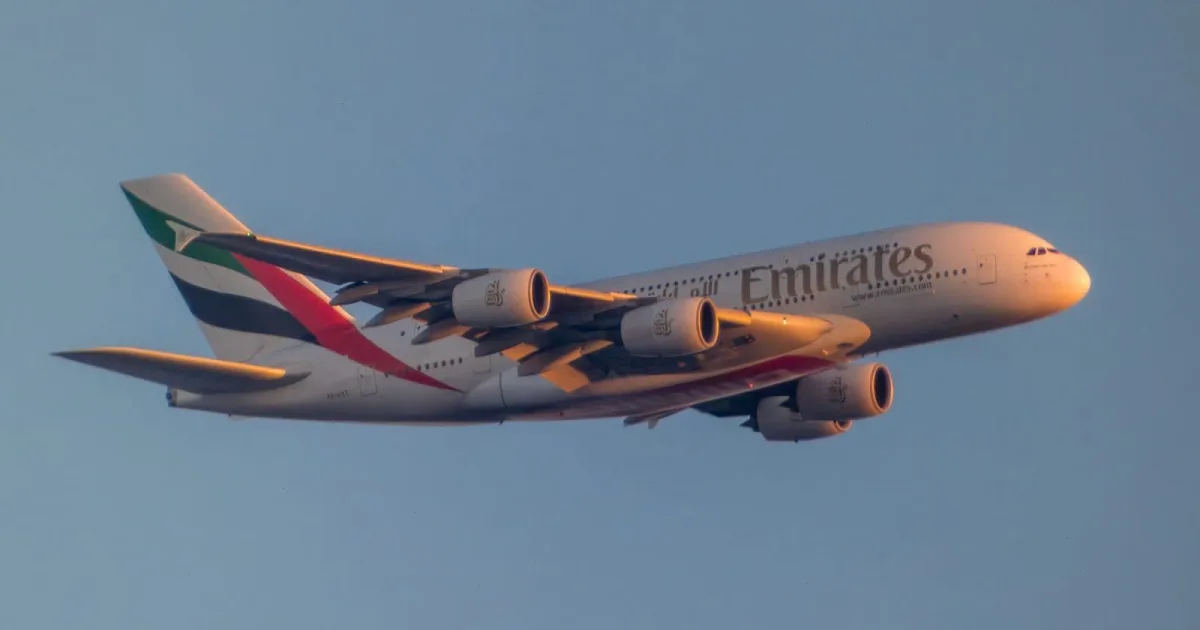
The EASA ordered urgent inspections on 16 Airbus A380s after discovering wing spar cracks that could compromise structural integrity.
Ryanair Flight RK514 Diverts to Birmingham After Emergency
Ryanair flight RK514 diverted to Birmingham Airport on September 13, 2026, following a medical emergency involving a passenger.