Delta Passengers Capture Viral Video of Artemis II Launch From 33,000 Feet

Co-Founder & CEOAviation News Editor delivering trusted coverage across the global aviation industry.
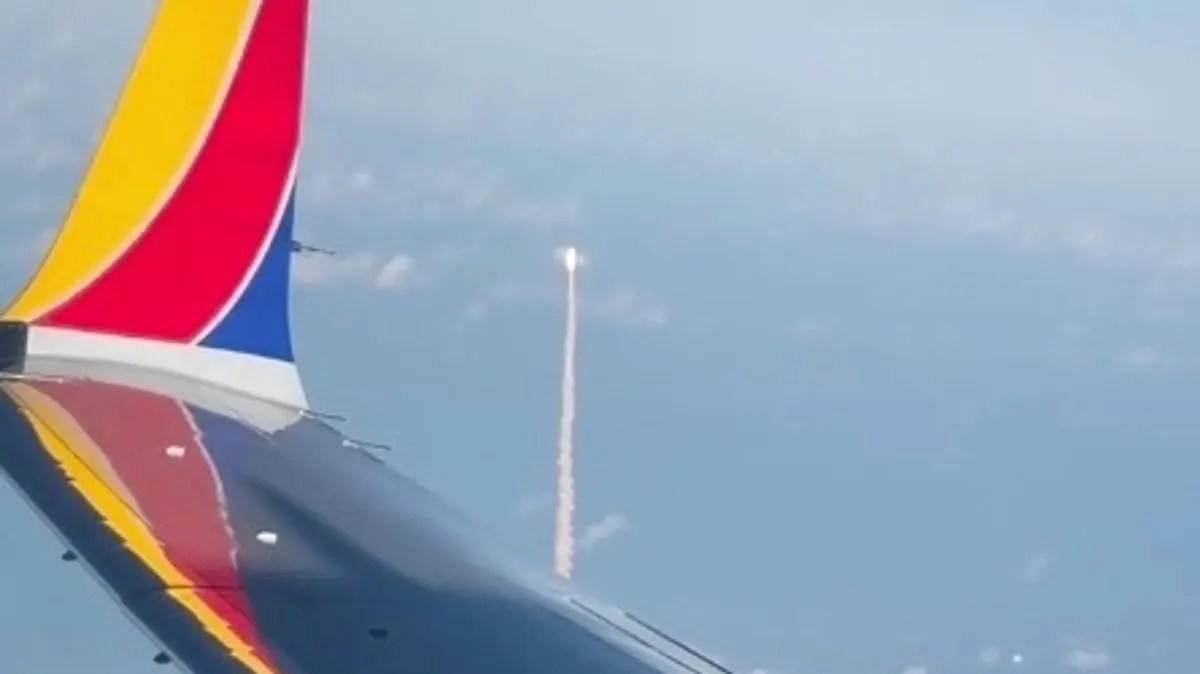
Passengers aboard Delta Flight 1784 captured viral footage of the Artemis II launch, providing a unique view of the crewed lunar mission from 33,000 feet.
Key Takeaways
- •Captured viral footage of the Artemis II launch from a Delta Air Lines flight at 33,000 feet.
- •Highlights the European Space Agency's critical role in providing the Orion spacecraft's European Service Module for power and life support.
- •Represents the first crewed mission to travel to lunar space in more than 50 years, since Apollo 17 in 1972.
- •Paves the way for the Artemis III mission, which aims to land astronauts on the Moon by 2027-2028.
Passengers on a commercial flight captured a unique perspective of the Artemis II launch, with video showing the rocket ascending past their aircraft. The footage was taken aboard Delta Air Lines Flight 1784 from Costa Rica to Atlanta, which was cruising at an altitude of 33,000 feet. The viral video shows the National Aeronautics and Space Administration (NASA) rocket carrying the Orion spacecraft as it began its journey to the Moon.
The event provides a striking visual of the increasing intersection between commercial aviation and the growing cadence of space launches. The rocket, part of the first crewed mission to the Moon in over fifty years, was recorded accelerating toward its maximum speed of 24,500 mph.
Mission Objectives and European Contribution
The Artemis II mission is a 10-day operation designed to send a four-person crew on a lunar flyby, paving the way for the subsequent Artemis III landing mission. The crew, which includes astronaut Christina Koch, will be the first humans to travel to lunar space since the Apollo 17 mission in 1972. According to the NASA Artemis II Mission Overview, a key objective is a flyby of the Moon from an altitude of 4,000 miles above the surface, allowing for extensive data collection and observation.
A critical component of the Orion spacecraft is the European Service Module (ESM), provided by the European Space Agency (ESA). This module functions as the spacecraft's primary propulsion and power unit, also supplying life support systems such as air and water for the astronauts.
"Europe will be providing the power that makes the journey possible thanks to the European Service Module, the propulsion heart of the Orion spacecraft," an ESA spokesman stated. The ESM's development and operation represent a significant international partnership.
ESA Director General Josef Aschbacher commented on the collaboration, stating, "Artemis II builds on the success of Artemis I and confirms Europe’s essential role in humankind’s return to the Moon and future exploration beyond. ESA is proud to stand shoulder to shoulder with its international partners led by NASA."
Technical Analysis
The viral sighting from Delta Flight 1784 underscores a growing trend where routine commercial air travel can intersect with historic spaceflight events. This incident serves as powerful public relations for the Artemis program, translating a complex engineering feat into a relatable human experience. The mission itself represents a significant shift towards international cooperation in deep space exploration, moving away from the nation-centric model of the Apollo era. The ESA's contribution of the ESM is not merely a supplied part but an integrated, critical system, cementing a long-term partnership with NASA for lunar exploration.
This collaborative approach is essential for sustaining the high costs of such ambitious programs. However, the Space Launch System (SLS) rocket used for the mission has faced criticism from some space industry analysts for being fully expendable and significantly more expensive per launch compared to emerging reusable commercial alternatives. While its performance is undeniable, its long-term economic viability remains a subject of debate within the aerospace community.
European engineers are providing continuous support for the mission from multiple locations, including ESA's European Space Research and Technology Centre (ESTEC) in the Netherlands and NASA’s Johnson Space Center in Houston. Daniel Neuenschwander, ESA's Director for Human and Robotic Exploration, emphasized the ESM's foundational importance. "This know-how is the foundation for future deliveries in the Artemis partnership but also for achieving our own European goals for human and robotic exploration," he said.
What Comes Next
Following its ten-day journey around the Moon, the Orion capsule is scheduled for a Pacific Ocean splashdown off the coast of San Francisco. According to the NASA Orion Recovery Operations Fact Sheet, the spacecraft will be travelling at just 17 mph upon hitting the water. The successful completion of this mission is a critical prerequisite for the next phase of the program.
The Artemis III mission, which will land astronauts on the lunar surface for the first time since 1972, is expected to launch between 2027 and 2028, pending the results and analysis from Artemis II.
Why This Matters
For the aviation and aerospace industries, the Artemis II mission highlights the new era of integrated airspace management and the power of public engagement. The viral video from a commercial airliner brings a multi-billion dollar, multinational space exploration project to a global audience in a uniquely accessible way. This event validates the critical systems provided by international partners like the ESA and sets the stage for humanity's sustained return to the Moon.
omniflights.com provides comprehensive commercial aviation news covering airlines, aircraft, and airports. Stay informed on aviation incidents, investigations, and best practices in the Safety category at omniflights.com/safety.
Written by Hardik Vishwakarma
Co-Founder & Aviation News Editor leading initiatives that improve trust and visibility across the global aviation industry. Covers airlines, airports, safety, and emerging technology.
Visit ProfileYou Might Also Like
Discover more aviation news based on similar topics
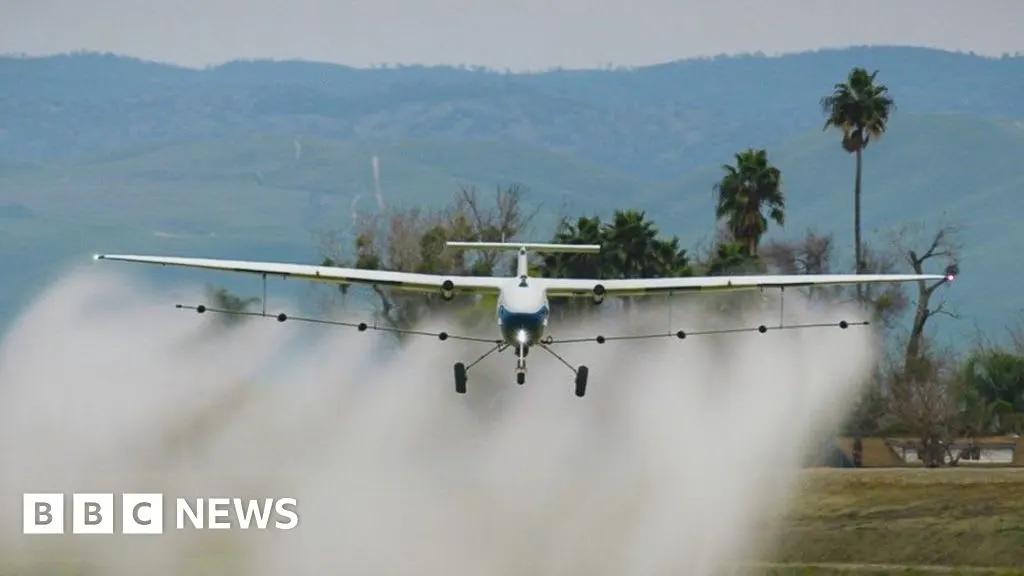
Autonomous Fixed-Wing Aircraft Development Gains Momentum
Start-ups are advancing autonomous fixed-wing aircraft for agricultural and cargo tasks, aiming to prove safety before pursuing passenger operations.
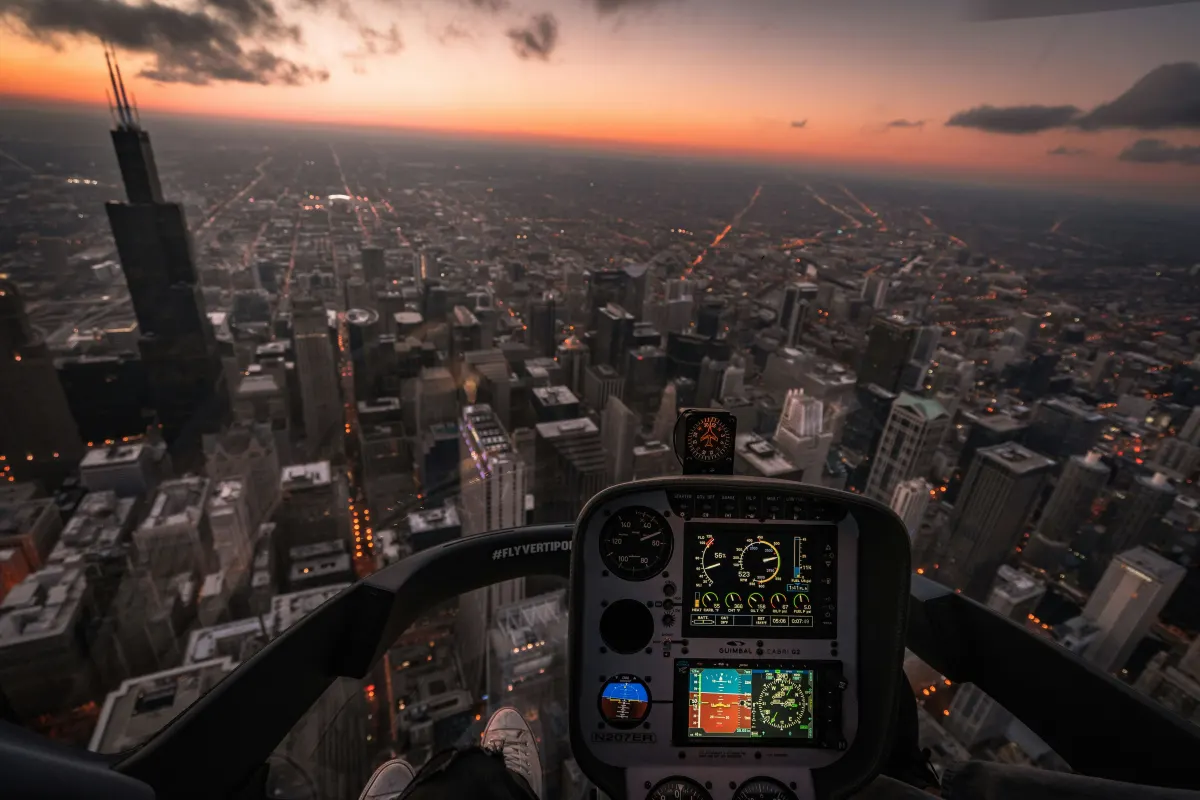
Boeing 787-9 Completes Short Inlet Tests in Montana
Boeing completed 52 hours of flight tests on a 787-9 with an experimental 30% shorter engine inlet to evaluate noise and fuel efficiency.
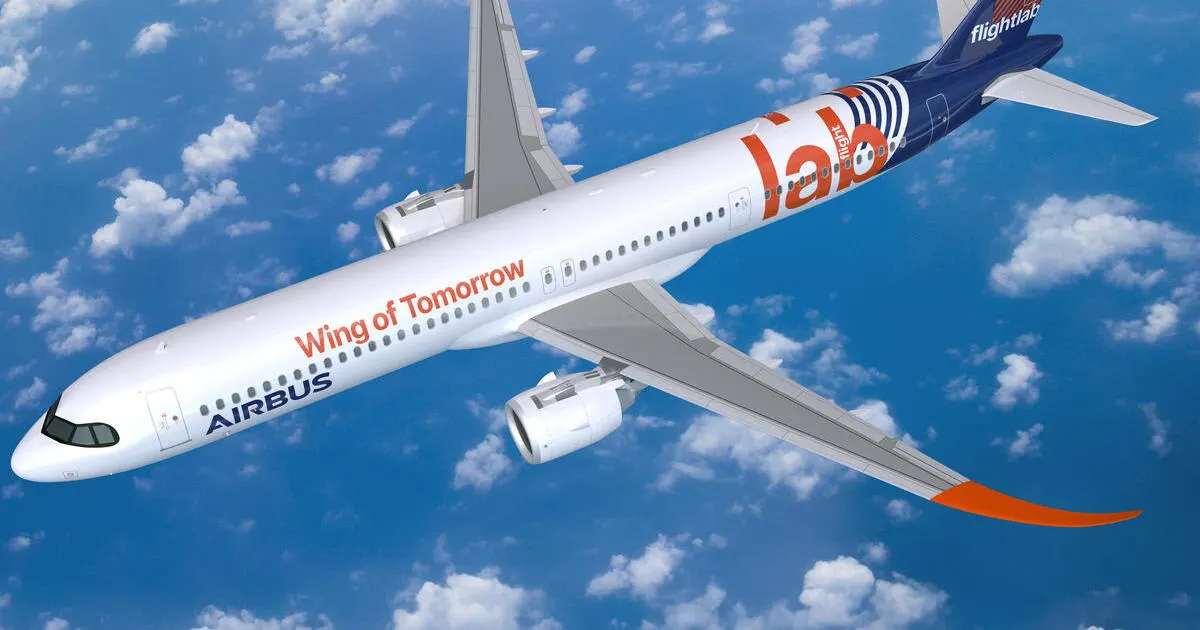
Airbus A321neo to Test Folding Wings of Tomorrow Project
Airbus launched a three-year flight-test campaign using an A321neo to evaluate folding wings that extend up to five meters.
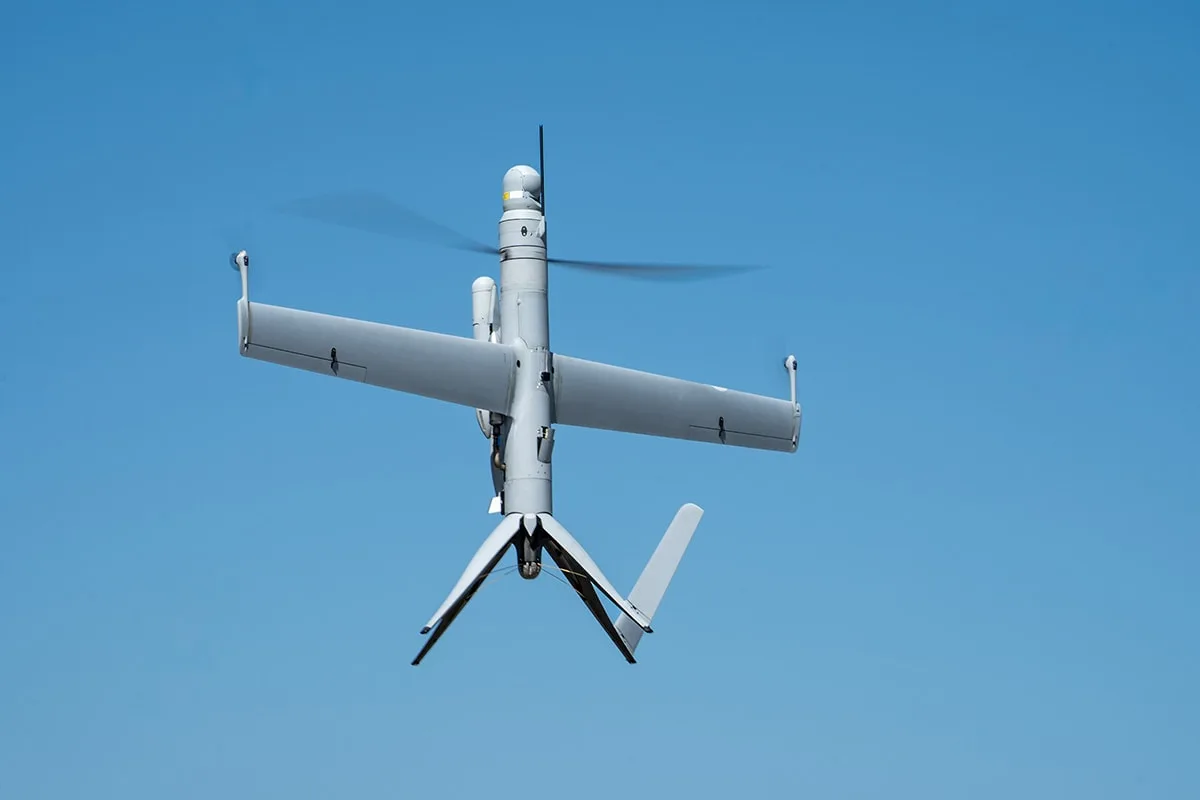
Voyageur Orders Canada's First Airbus U030 Flexrotor
Voyageur Aviation ordered Canada's first Airbus U030 Flexrotor, a 25 kg tactical drone, to expand its maritime and Arctic surveillance capabilities.
LATAM Selects SES Multi-Orbit Wi-Fi for 60+ New Jets
LATAM Airlines signed a multi-year deal with SES to equip more than 60 incoming Airbus and Embraer aircraft with multi-orbit satellite Wi-Fi.
Lufthansa 787-9 Tests Tech to Cut Fuel and Noise
Boeing, Lufthansa, and Rolls-Royce partnered to test emissions-reducing technologies on a 787-9, targeting a 20% fuel efficiency improvement.